

How to Share Classroom Data Collection With Families in Your Teacher Newsletter
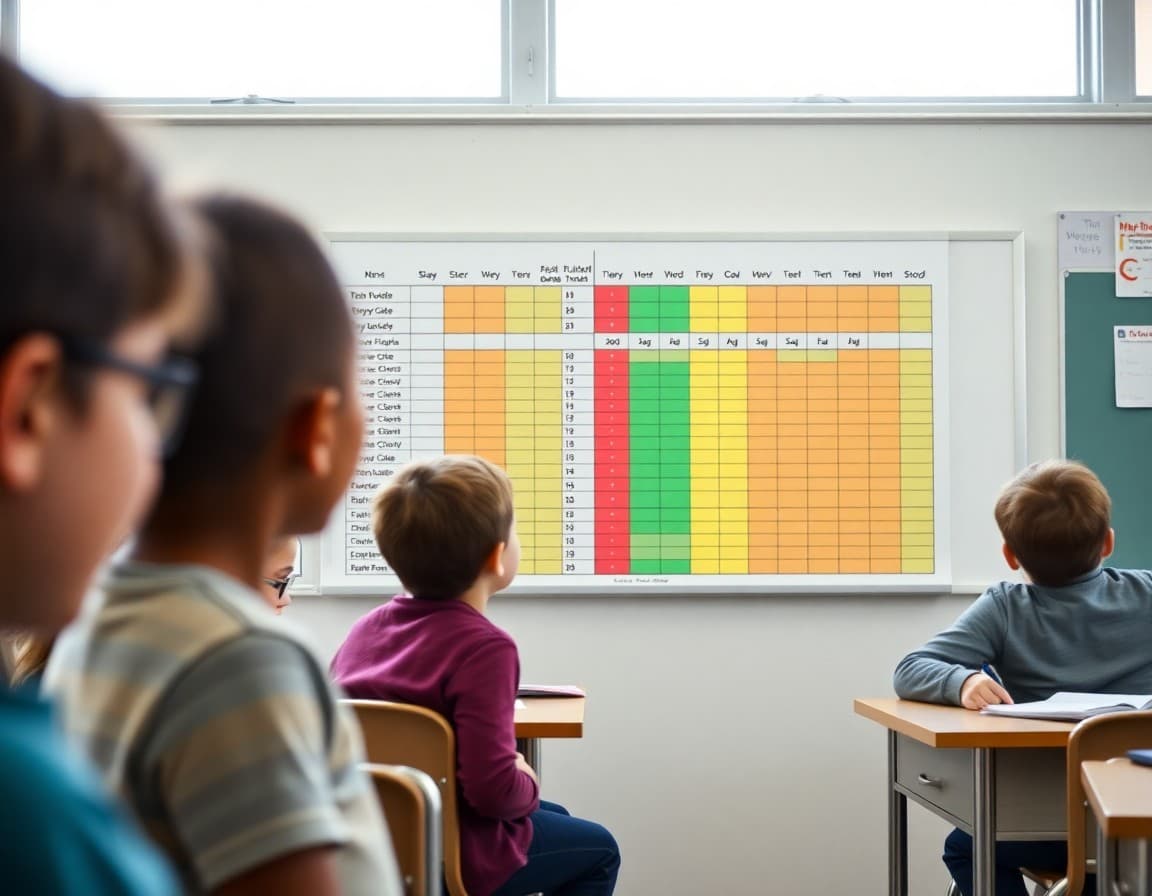
Teachers collect data constantly. Reading fluency scores, exit ticket results, math fact checks, writing rubric scores, behavior frequency counts. Most of that data never reaches families in a form they can use. A newsletter that explains what data you collect, why you collect it, and what it tells you about student progress converts an invisible instructional process into a shared reference point between school and home.
Explain what data collection is and why it matters
"In our classroom, I collect data on student performance regularly throughout the year. Data collection is not the same as testing. Tests summarize what students learned after instruction ends. Classroom data collection happens during instruction and tells me whether what I am doing is working before we move on. When a student is not progressing as expected, the data tells me that early enough to adjust."
Name the specific data you collect and how often
"For reading, I collect one-minute fluency probes twice each month. These measure how accurately and fluently your student reads aloud from a grade-level passage. For math, I collect weekly timed fact checks on the current operation. For writing, I use a rubric score on each major draft. I also collect informal exit ticket data most days, which I use to plan the next day's lesson." Specificity removes mystery. Families who know exactly what is being measured can support it meaningfully.
Explain the difference between a single score and a trend
"A single data point tells me where a student was on one day. A trend line tells me whether the student is growing at the expected rate, faster, or slower. I look at trends across four to six data points before drawing any conclusions. If your student had one low fluency score during a week when they were sick, that is not a concern. If fluency scores have been flat for six weeks despite targeted practice, that is a signal that something needs to change in our approach."
Share a current data summary without overwhelming families
"This month the class fluency median is 112 words per minute. The expected benchmark for this point in the year is 105. Most students are above or on track. Four students are below benchmark and are receiving additional fluency practice three times per week in small group. If your student is in that group, you have heard from me directly." Class-level summaries give families context without exposing individual student data.
Tell families how data drives your instruction
"After each math fact check I sort students into three groups: those who have met the fluency goal for that fact set, those who are close, and those who need more practice. The next day's math warm-up is differentiated based on those groups. Students who have met the goal practice the next fact set. Students who are close do partner drills. Students who need more time do targeted fluency games. The data is not a report card. It is a tool."
Explain what families can do with this information
"If I share that your student is below benchmark on fluency, the most useful thing you can do at home is five minutes of read-aloud practice three times per week. If I share that your student has met the fact fluency goal, they are ready to move to the next set. The newsletter will include the current goal so you know exactly what to work toward if home practice is something you want to add."
Invite families to ask about their student's specific data
"If you would like to see your student's individual progress graph rather than just the class summary, email me and I will share it before or after school. Most families find the trend lines more informative than individual scores and appreciate seeing the growth trajectory over the full year."
Daystage newsletters are a practical channel for sharing data summaries and progress charts with families, making the instructional data that already exists in your classroom visible and useful beyond the school building.
Get one newsletter idea every week.
Free. For teachers. No spam.
Frequently asked questions
What kinds of data do teachers collect in the classroom?
Teachers collect reading fluency scores, math fact accuracy, writing rubric scores, exit ticket results, observation notes, participation tallies, formative quiz results, and behavior frequency data. Different types of data serve different instructional purposes. Fluency data tracks automaticity. Rubric scores track quality of output. Exit ticket data tracks daily comprehension.
How is classroom data different from test scores?
Classroom data is collected frequently during instruction and used to adjust teaching in real time. Test scores are collected at the end of a unit or year and used to summarize learning. A teacher who only looks at test scores is looking backward. A teacher who uses classroom data is adjusting instruction while there is still time to change outcomes.
Should families see their student's classroom data?
Yes, in context. Raw scores without explanation can alarm families unnecessarily or give false reassurance. A newsletter that explains what the data means, how it is used, and what the trajectory looks like gives families accurate information. Sharing a trend line is more useful than sharing a single data point.
How often should teachers share data with families?
A brief update each time a new data collection cycle completes is practical. For ongoing data like reading fluency, monthly updates that show growth give families a meaningful picture without overwhelming them with every individual score. The newsletter is a natural place to share summary data.
Can Daystage help teachers share student progress data with families in newsletters?
Yes. Daystage supports image embeds, which means a progress chart or data table screenshot can be included directly in a newsletter alongside an explanation of what it shows and what it means for instruction.

Adi Ackerman
Author
Adi Ackerman is a former classroom teacher and curriculum writer with 8 years in K-8 schools. She writes about school communication, parent engagement, and what actually works in real classrooms.
More for Classroom Teachers
How to Explain Progress Monitoring to Families in Your Teacher Newsletter
Classroom Teachers · 6 min read
How to Explain Formative Assessment to Families in Your Teacher Newsletter
Classroom Teachers · 6 min read
How to Explain Exit Tickets to Families in Your Teacher Newsletter
Classroom Teachers · 6 min read
Ready to send your first newsletter?
3 newsletters free. No credit card. First one ready in under 5 minutes.
Get started free