

How to Write a Cross-Curricular Unit Newsletter to Families
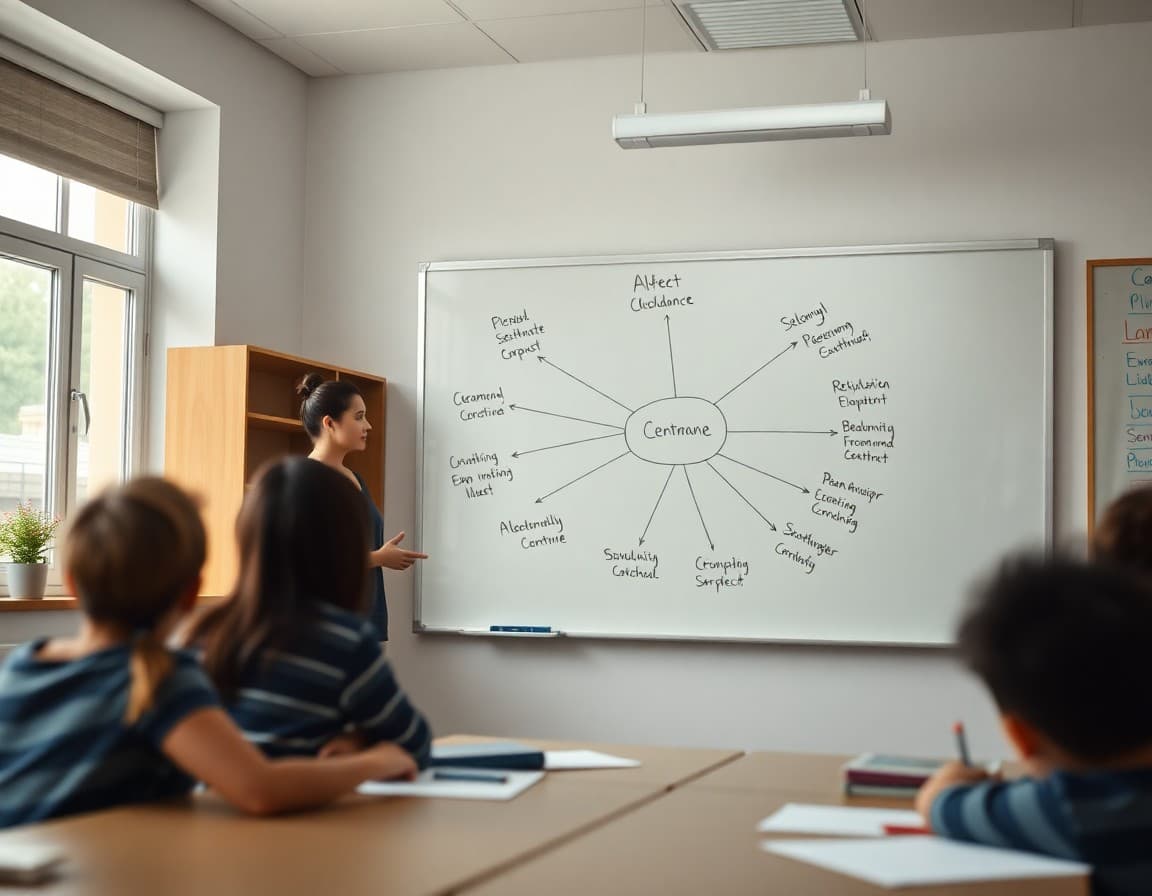
Cross-curricular unit newsletters solve a common family question: why does the reading assignment seem to be about the same thing as the science project? The answer is that it is intentional. Integrated units are designed so that learning in one subject reinforces learning in another, and students who experience this connection understand the material more deeply than they would if each subject lived in a separate silo. A newsletter that maps these connections shows families the thinking behind the structure.
Name the central theme or question
Start with the organizing idea. What is the unit centered on? A central question like "How do humans affect the natural world?" or a theme like "migration and change" or a topic like "the water cycle." The central theme is the lens through which all the subject content connects. Naming it clearly gives families a framework for understanding how different subjects relate throughout the unit.
Map each subject to the theme
Walk families through how each subject connects to the central theme. In science, students are studying water systems and the water cycle. In social studies, they are examining how communities depend on and manage water resources. In reading, they are studying a novel set in a region experiencing drought. In writing, they are drafting letters advocating for a specific water policy. In math, they are analyzing rainfall and usage data. This mapping makes the intentionality of integrated instruction visible.
Explain why integration deepens learning
Research on how people learn shows that knowledge is retained and transferred more effectively when it is encountered in multiple contexts and connected to prior knowledge. A student who reads about water scarcity, calculates water usage, studies the biology of watersheds, and writes an advocacy letter about water policy is not repeating the same content. They are building a web of connected understanding that is stronger and more durable than knowledge learned in isolation.
Describe the culminating project or product
Cross-curricular units often culminate in a project that requires students to synthesize learning from multiple subjects. A research presentation, an exhibition, a documentary, a proposed solution to a real problem, or a creative work that demonstrates both content knowledge and interdisciplinary thinking. Tell families what the culminating product is and what subjects it draws from, so they understand what their student is building toward throughout the unit.
Point to the connections families can notice at home
Give families specific ways to notice the unit theme in everyday life. If the theme is food systems, visit a grocery store and trace where different foods come from. If the theme is migration, discuss whether anyone in the family has moved and what motivated it. If the theme is energy, look at what powers different things in the house and where that energy comes from. These connections do not require resources or expertise. They just require attention.
Note the timeline and key milestones
Give families a sense of the unit's arc. When does each phase happen? When is research due, when does the draft need to be complete, when is the culminating project presented? Families who understand the timeline can help their student manage the workload rather than discovering that a major component is due tomorrow.
Invite family questions about the unit design
Some families will be curious about the pedagogical choice to integrate subjects. Invite questions directly: if this approach is new to them or different from their own school experience, a brief conversation can build the understanding that makes them advocates for rather than skeptics of the integrated approach.
Daystage makes it easy to send a cross-curricular unit newsletter that maps the connections across subjects so families understand the depth and structure of the integrated learning their student is engaged in throughout the unit.
Get one newsletter idea every week.
Free. For teachers. No spam.
Frequently asked questions
What is a cross-curricular unit?
A cross-curricular unit organizes learning around a central theme, question, or topic that connects multiple subjects. Instead of teaching math, reading, science, and social studies as separate disconnected lessons, a cross-curricular unit uses the content of each subject to illuminate the same central idea. Students develop deeper understanding because they encounter the same concepts through multiple lenses.
How does cross-curricular learning benefit students?
When students see the same concept in multiple contexts, they understand it at a deeper level than when they encounter it in only one subject. A student studying water systems in science, reading about water scarcity in social studies, analyzing water usage data in math, and writing a persuasive letter about water conservation in language arts has a richer, more connected understanding than one who studied each subject independently.
How can families support cross-curricular learning at home?
Noticing connections between the unit theme and real life is the most valuable support families can offer. If the unit theme is food systems, pointing out farm-to-table signage at a restaurant, reading food labels and discussing where ingredients come from, or watching a documentary about agriculture all reinforce the cross-curricular theme in daily life.
How is a cross-curricular unit assessed?
Assessment in a cross-curricular unit often includes both subject-specific skills and interdisciplinary thinking. A student might be assessed on their mathematical data analysis within the unit, their writing quality in the culminating essay, and their ability to make connections across subject areas. The integration is itself a learning goal worth assessing.
What tool helps teachers communicate about cross-curricular units?
Daystage makes it easy to send a cross-curricular unit newsletter that maps the connections across subjects so families understand the depth and intentionality of the integrated learning their student is doing.

Adi Ackerman
Author
Adi Ackerman is a former classroom teacher and curriculum writer with 8 years in K-8 schools. She writes about school communication, parent engagement, and what actually works in real classrooms.
More for Classroom Teachers
Ready to send your first newsletter?
3 newsletters free. No credit card. First one ready in under 5 minutes.
Get started free