
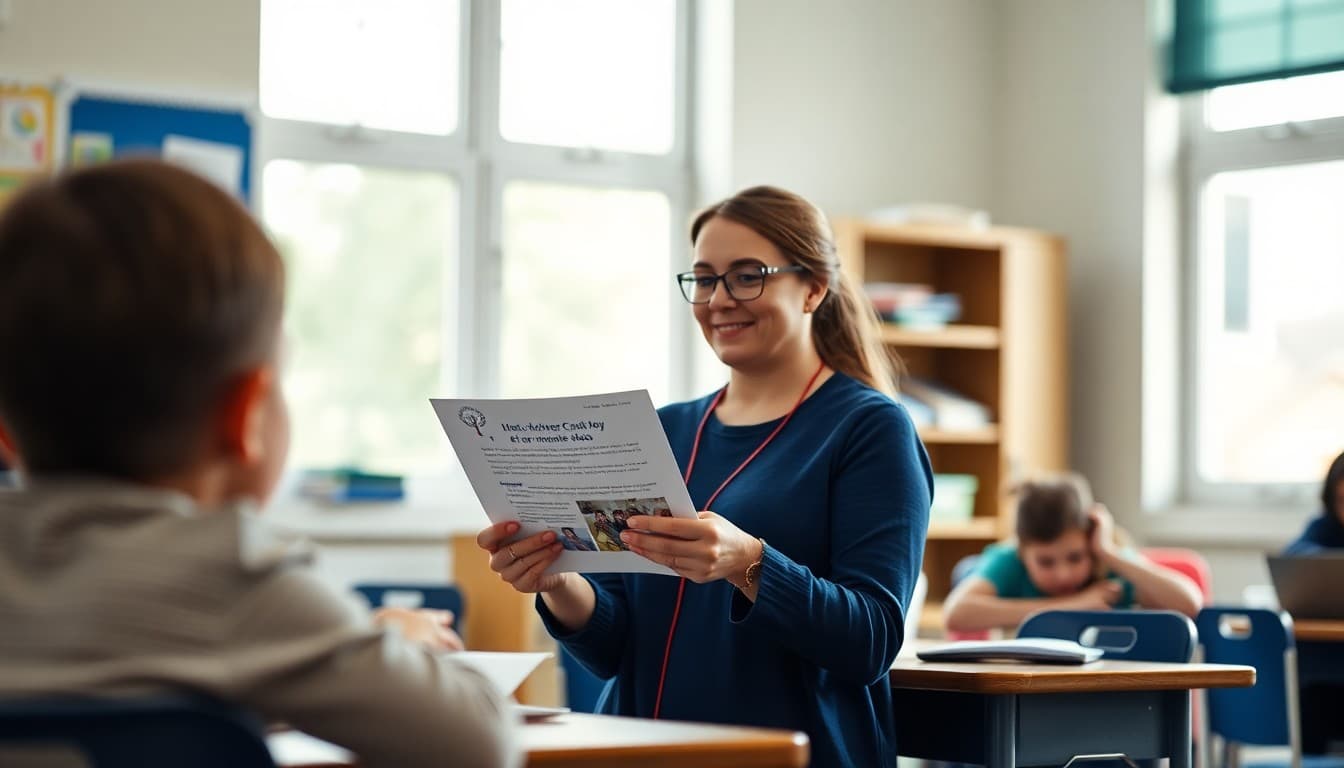
Setting Communication Preferences With Families via Teacher Newsletter

Why This Conversation Needs to Happen First
Communication problems in the school year rarely start with a single message. They start with mismatched expectations about how communication should work. One parent expects same-day replies. Another assumes the newsletter covers everything and never sends a direct message. A third texts a number you check twice a month.
The first newsletter of the year is your chance to get ahead of all of that. Setting communication preferences early means fewer frustrated parents and fewer evenings spent managing a full inbox of questions that a single FAQ could have answered.
Tell Families How You Will Reach Them
Start with your end. Explain which channel carries your main updates: newsletter, app, email, or paper notes. Be direct about frequency. "I send a newsletter every Friday with the week ahead" is a commitment families can rely on. When parents know when and where to expect information, they stop pinging you for updates they will receive anyway.
Ask How They Want to Reach You
Different families have different access. Some check email throughout the day. Others rely entirely on app notifications. A few prefer a paper note in the backpack. Asking in the first newsletter shows you are paying attention and makes it easier to reach families in a way that actually works for them.
Keep the options short. Three choices and a form is enough. More options create decision fatigue. You can always adjust individual arrangements when families have genuine constraints.
State Your Response Time Clearly
Ambiguity about response time is the source of a surprising amount of parent frustration. "I respond to emails within 24 hours on school days" removes the guesswork. Parents know whether to expect a reply today or tomorrow. It also protects your evenings and weekends without making you seem inaccessible. A stated boundary is far less frustrating than silence.
Clarify What Belongs in Each Channel
Some conversations belong in email. Some require a phone call. Some are best handled in a conference. Spell this out early. "For quick logistics questions, email works well. For anything about your child's academic progress, I prefer a scheduled call or conference." This routing guidance saves everyone time and ensures sensitive conversations happen in the right format.
Set Expectations for Urgent Matters
Tell parents what to do if something is genuinely urgent. Direct them to the main office number. Explain that email is not monitored during instructional hours. Knowing there is a reliable path for emergencies helps parents feel secure using slower channels for everything else.
Revisit Preferences Mid-Year
Family circumstances change. A parent switches jobs and can no longer check email during the day. A new sibling changes the household routine. A brief check-in question in January or February, asking whether the current setup still works, shows you are paying attention. It takes one sentence in a newsletter to ask, and it prevents months of missed communication.
Make This a One-Page Reference
Consider including a short summary in the first newsletter that parents can save. Channel you use, frequency of updates, your response time, and how to handle urgent matters. One paragraph. If families have it in writing, they refer to it instead of guessing, and you answer fewer repeated questions across the year.
Get one newsletter idea every week.
Free. For teachers. No spam.
Frequently asked questions
When should I set communication preferences with families?
The first newsletter of the year is the right moment. Before patterns are established, you can frame how communication will work without changing existing habits or correcting misunderstandings.
How do I ask parents what communication channel they prefer?
Include a simple question in your first newsletter: 'Do you prefer email updates, app notifications, or printed notes?' A short form with three options works better than an open-ended question.
What should I tell parents about my response time?
Be specific. 'I respond to messages within 24 hours on school days' is more useful than 'I'll get back to you as soon as I can.' Specific expectations reduce follow-up messages sent in frustration.
How do I handle parents who use channels I've said I don't monitor?
Acknowledge the message once, then redirect: 'Thanks for reaching out. For the fastest response, please use email. I'll reply there within 24 hours.' Consistency trains families over time.
What tool helps teachers manage family communication preferences efficiently?
Daystage makes it easy to send your first newsletter with a built-in form where families can select their preferred contact method. Their responses stay organized so you can communicate on their terms from day one.

Adi Ackerman
Author
Adi Ackerman is a former classroom teacher and curriculum writer with 8 years in K-8 schools. She writes about school communication, parent engagement, and what actually works in real classrooms.
More for Classroom Teachers
Ready to send your first newsletter?
3 newsletters free. No credit card. First one ready in under 5 minutes.
Get started free