
How to Write a Classroom Pet Newsletter to Parents

A classroom pet changes the energy of a room immediately. Students who were disconnected start showing up early to check on it. Quieter students find something to talk about. The responsibility of caring for a living thing becomes a daily thread through the whole year. A newsletter that introduces the pet to families, explains the learning goals, and addresses practical concerns upfront sets the whole experience up for success.
Introducing the Pet
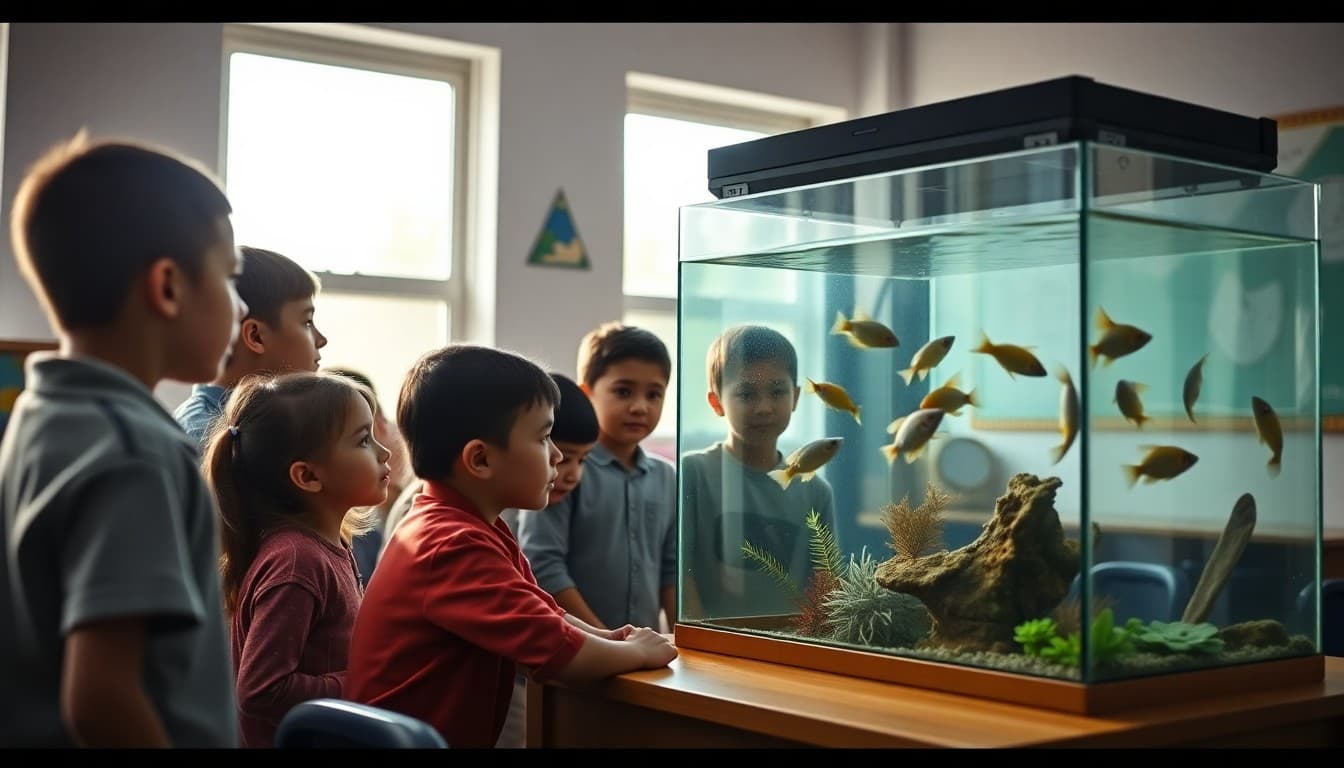
Start with the basics: what kind of animal, what its name is (if named), and when it arrived. Families who know their child is excited about a classroom guinea pig understand what they will hear about at dinner for the next several weeks. A photo of the pet in the newsletter is worth more than any description. If you are sending through Daystage, add the photo. Families who see the animal feel connected to it immediately.
The Learning Goals
Be explicit about why you have a classroom pet. Responsibility: students take turns feeding, cleaning, and monitoring the animal. Observation: students learn to read the animal's behavior and body language, which connects to science content. Empathy: caring for a living thing that depends on you builds a kind of attention that transfers to how students treat each other. Life science: depending on the animal, this could connect directly to units on ecosystems, animal adaptations, or biology. Naming these goals helps families see the pet as an educational asset, not a distraction.
Addressing Allergy and Safety Concerns
Some families will have concerns about allergies or about the safety of the animal. Address both directly in the newsletter. Name the species (since allergy concerns vary: a fish is different from a rodent). Describe your hygiene procedures: students wash hands after handling, the animal has a designated area, the enclosure is kept clean. Invite families with specific medical concerns to contact you directly. Proactive transparency is better than a concerned parent call two weeks in.
Student Care Responsibilities
Explain how student responsibilities are structured. Many teachers rotate a "pet keeper" role that includes feeding, water, and monitoring. Others assign specific jobs (feeder, cleaner, observer). Tell families how often their child will have a responsibility week or day and what it involves. This prepares families to support the routine at school and prevents the panic of a student who forgets their assigned duty.
Weekend and Holiday Care
Families often ask about the pet during breaks. Answer this proactively. If the pet stays in the classroom over long weekends with automatic feeders and water, say so. If a student takes the pet home for holiday breaks, explain the signup process, what families receive (care instructions, supplies), and what you ask of home caregivers. If you are not doing home care, say that too. Clarity here prevents a dozen individual emails asking the same question.
Sample Newsletter Section
Here is language you can use: "We have a new member of our classroom community. [Name] the [animal type] joined us this week and has already been a huge hit. Students will take turns as weekly pet keepers, responsible for feeding and monitoring. This role teaches responsibility, observation, and care for a living thing: all things we practice in our classroom community every day. If your child has allergies to [animal type], please reach out to me directly. I have attached a photo so you can see our new friend."
Connecting to the Curriculum
Look for places where the classroom pet connects to what you are teaching. A fish or aquatic animal during an ecosystems unit. A plant-eating animal during a food chains unit. An animal that has visible behavioral patterns during an animal adaptations unit. When the pet is explicitly connected to the curriculum, it has more learning value and gives you an easy "and in our classroom, we can observe this directly" moment every day.
Sending the Newsletter
Daystage makes it easy to include a photo of your new classroom pet, a schedule of student responsibilities, and the care information families need all in one clean newsletter. Send it the week the pet arrives so families get the news from you before they hear a half-formed version from their child on the car ride home. A clear, warm first impression sets the tone for the whole experience.
Get one newsletter idea every week.
Free. For teachers. No spam.
Frequently asked questions
Why should I send a newsletter about a classroom pet?
Some families have allergies or concerns about animals in the classroom. Others will have questions about weekend care, feeding schedules, and what role students play. A proactive newsletter addresses all of this before families have to ask.
What should a classroom pet newsletter include?
The type of pet, what it needs, how student responsibilities will be structured, allergy and safety considerations, weekend and holiday care arrangements, and the learning goals the pet supports are all worth covering. The more thorough you are upfront, the fewer individual questions you receive.
How do I address allergy concerns in the newsletter?
Acknowledge directly that some students or family members may have allergies. Explain what type of animal you have, whether it sheds, and what precautions you take (handwashing, keeping the animal in a designated area, ventilation). Invite families with concerns to contact you.
What are the learning goals of having a classroom pet?
Classroom pets teach responsibility, empathy, observation skills, and scientific thinking. Students learn to read an animal's behavior, maintain routines, care for a living thing, and connect to life science concepts. These goals are worth stating explicitly in the newsletter so families understand the educational purpose.
What tool helps teachers send a classroom pet announcement to families?
Daystage lets teachers write a formatted, photo-friendly newsletter and send it to all families at once. Including a photo of the classroom pet in the newsletter is an easy way to make families feel immediately connected to the addition to your classroom.

Adi Ackerman
Author
Adi Ackerman is a former classroom teacher and curriculum writer with 8 years in K-8 schools. She writes about school communication, parent engagement, and what actually works in real classrooms.
More for Classroom Teachers
Ready to send your first newsletter?
3 newsletters free. No credit card. First one ready in under 5 minutes.
Get started free