

How to Use Your Newsletter to Prepare Families for Back to School Night
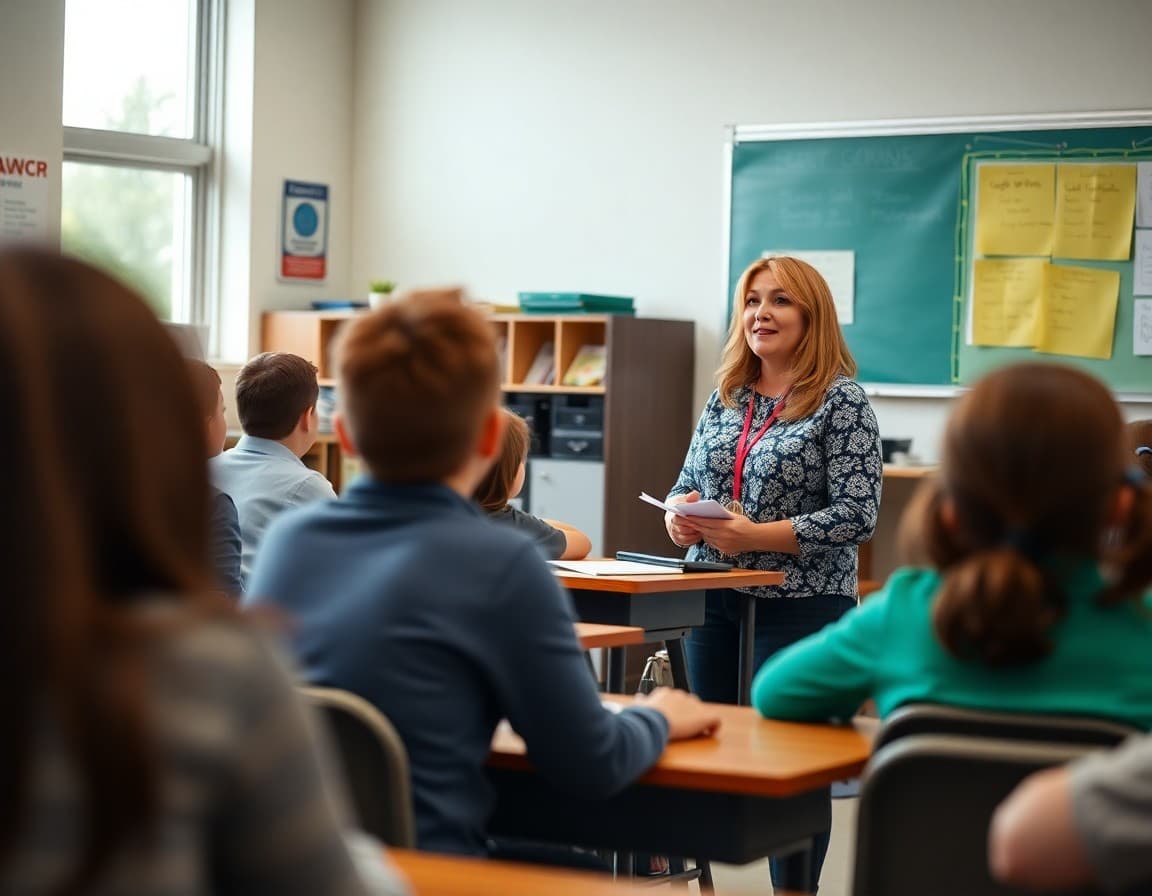
Back to School Night is one of the first extended contacts a teacher has with the families of their students. Teachers who send a preparation newsletter beforehand arrive to a room of families who already know what to expect, what questions to save for the end, and what the evening is designed to accomplish. That preparation changes the quality of every minute of the event.
Announce the event with full logistics
"Back to School Night is on [date] at [time] in Room [number]. Plan for approximately forty-five minutes. This is an adult-only event. Students should stay home with a caregiver. The evening is a presentation by me about the year , curriculum, grading, homework, communication, and how to support your student at home. It is not a time for individual student concerns. If you have a specific concern about your student, please email me to schedule a separate conversation."
Tell families what you will cover
"Here is what the presentation will cover: an overview of the full year's curriculum and major units, how grading works in this class, homework expectations including frequency and time, how I communicate with families and my typical response time, classroom behavioral expectations and how I address concerns, and the one or two things I have found make the biggest difference for students in this class when families do them consistently at home."
Explain what the evening is not
"Back to School Night is not a parent-teacher conference. If you have a specific concern about your student's progress, grades, or social situation, please do not raise it during the group presentation. I will not be able to give that conversation the attention it deserves in that format, and it takes time from other families who are also there. I am happy to schedule a call or meeting , email me and we will find a time."
Give families specific questions to come prepared with
"I will leave ten minutes at the end for questions. The questions that produce the most useful answers are: How do you communicate when a student is falling behind? What does a strong student in this class look like by June? What does homework support look like , how involved should I be? What is the best way to reach you if I have a concern mid-year? If you want to ask one of those, write it down before you arrive so you have it ready."
Share what families will receive at the event
"I will hand out a one-page summary of everything covered in the presentation, including my contact information, the homework policy, the grading breakdown, and the major units and dates for the year. You do not need to take notes on everything. The handout covers the essentials. Use the presentation time to listen rather than write."
Tell families what happens if they cannot attend
"If you cannot attend, I will email the presentation slides and the handout the next morning to all families who were not able to be there. You will not miss the information. You will miss the chance to ask questions in person and to meet other families in the class. If you want to ask questions after reviewing the materials, email me and I will respond within 48 hours."
A Daystage newsletter sent the week before Back to School Night turns families from passive attendees into prepared participants, which makes the evening more efficient for the teacher and more useful for every family in the room.
Get one newsletter idea every week.
Free. For teachers. No spam.
Frequently asked questions
What is Back to School Night and how is it different from open house?
Back to School Night (also called Curriculum Night) is a teacher-led presentation where families learn about the year's curriculum, grading system, classroom expectations, and communication practices. It typically happens early in the year before students have been significantly assessed. Open house is more exploratory , families walk the classroom and talk one-on-one with the teacher. Back to School Night is more structured and informational.
Is Back to School Night for parents only or can students attend?
Most Back to School Nights are designed for parents and guardians only. The purpose is for the teacher to explain the program to adults without students present, which allows franker conversation. Some schools invite students but most keep the event adult-focused. Check the school's communication for the specific policy.
What should families expect to learn at Back to School Night?
Curriculum overview for each subject, grading and assessment policies, homework expectations, communication methods and response times, classroom behavioral expectations, field trips or major events for the year, and how families can best support learning at home. A well-organized Back to School Night covers all of this in thirty to forty-five minutes.
What is the most useful question to ask at Back to School Night?
What is the one thing I can do at home that makes the biggest difference for my student in your class? That question gives the teacher a chance to be specific rather than generic, and the answer tells you more about the teacher's priorities than the curriculum presentation alone.
Can Daystage help teachers prepare families for Back to School Night through newsletters?
Yes. A Daystage newsletter sent one week before Back to School Night that covers what the evening will include, what families should bring, and what questions to ask prepares families to use the time well and ensures the event accomplishes what it is designed to do.

Adi Ackerman
Author
Adi Ackerman is a former classroom teacher and curriculum writer with 8 years in K-8 schools. She writes about school communication, parent engagement, and what actually works in real classrooms.
More for Classroom Teachers
How to Prepare Families for Open House in Your Teacher Newsletter
Classroom Teachers · 6 min read
How to Introduce Your Parent Handbook in a Newsletter Families Will Read
Classroom Teachers · 6 min read
Back to School Newsletter Tips That Help Families Start the Year Right
Classroom Teachers · 6 min read
Ready to send your first newsletter?
3 newsletters free. No credit card. First one ready in under 5 minutes.
Get started free