

How to Write an After-School Program Newsletter to Families
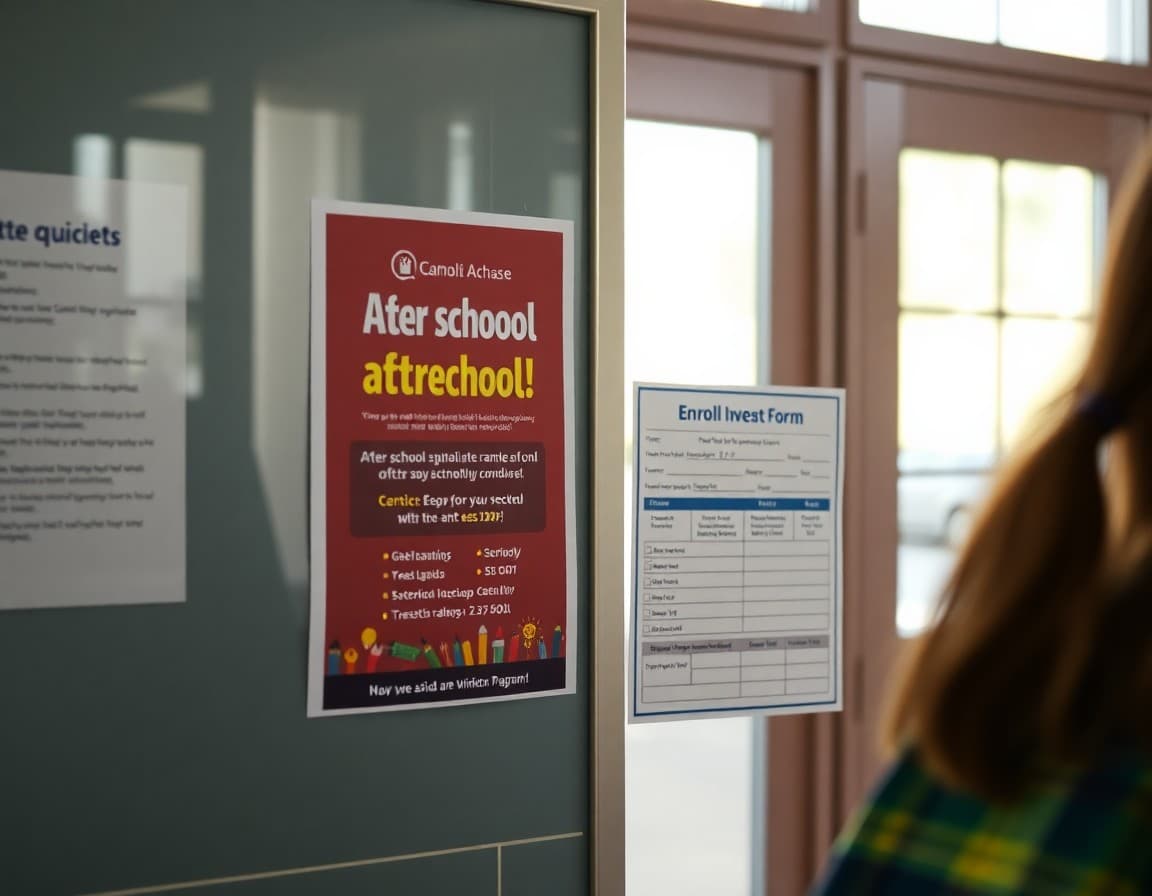
After-school program newsletters work best when they do more than list available programs. They help families understand why after-school activities matter, how to choose the right one for their student, and how to navigate logistics that are often what stands between a family and a program their student would love. Clear, organized communication is what converts interest into enrollment.
Open with the case for structured after-school time
Research on after-school programming consistently shows benefits beyond academics. Students in structured after-school programs show improvements in attendance, behavior, social skills, and academic performance compared to students who go home to unstructured time or are left without adult supervision. A brief frame on this evidence gives families a reason to prioritize the information in the newsletter even if they have not previously thought much about after-school options.
Describe each available program clearly
Give families a brief, informative summary of each program. What is the focus (academic, creative, athletic, social-emotional)? What age range is it designed for? How many days per week does it meet and for how long? What does a typical session look like? These specifics help families match a program to their student's interests and schedule rather than choosing based on familiarity or convenience alone.
Connect programs to classroom skills
Where there is a direct connection between a program and classroom learning, name it. A writing club extends the writing work happening in class. A math challenge program builds the number sense skills that make classroom math more accessible. A drama club develops the public speaking and listening skills that appear across every subject. These connections help families see programs as curriculum extensions rather than optional extras.
Give complete enrollment information
Enrollment open date, deadline, process (online form, paper form, first-come), any waitlist information, and when families will hear back if programs are selective. Cost and financial assistance in the same paragraph. Nothing loses families faster than a newsletter that describes a program enthusiastically and then buries the enrollment process in a way that makes acting on it difficult.
Explain after-school dismissal and pickup procedures
After-school program pickup is often different from regular school dismissal. Describe the specific pickup location and time, who is authorized to pick up, what happens if a pickup is late, and whether emergency contact information needs to be updated for the program specifically. These logistics matter for the families who are most considering enrollment because they often have complex pickup arrangements already.
Note transportation options and barriers
Transportation is one of the most common barriers to after-school program participation. Note whether bus service is available, whether walking routes are safe for the programs held in certain locations, and whether carpooling information is shared among enrolled families. If transportation is genuinely not available and this affects access for some families, note any alternative support options.
Include a contact for questions
Program directors, program coordinators, or you as the classroom teacher can be the contact point for questions depending on how your school organizes after-school communication. Whoever it is, make the contact information clear and note the best way to reach them and the window for getting a response before enrollment deadlines close.
Daystage makes it easy to send an after-school program newsletter with program descriptions and enrollment links all in one organized place, so families who are ready to act can do so immediately from the newsletter itself.
Get one newsletter idea every week.
Free. For teachers. No spam.
Frequently asked questions
What should an after-school program newsletter include?
The programs available and their focus areas, enrollment dates and deadlines, any cost or financial assistance, pickup and dismissal procedures specific to after-school programs, transportation options, age eligibility, and a brief note on the benefits of structured after-school activities.
How do I help families navigate the choice between multiple after-school programs?
Give families a brief description of each program with its focus, schedule, and intended student. A chess club is different from a sports program is different from an academic tutoring program. Families who have enough information to match a program to their student's interests and needs make better enrollment decisions.
How do after-school programs connect to classroom learning?
Many after-school programs reinforce skills that carry over directly into classroom performance. Reading clubs build fluency and stamina. Math enrichment programs extend concepts introduced during the day. Arts and movement programs support executive function and self-regulation. These connections are worth naming in your newsletter.
What if families cannot access any of the programs due to cost or transportation?
Your newsletter should note financial assistance options and, if transportation is a barrier, alternative program types (free public library programs, for example). Families who encounter barrier language early often stop reading. Addressing barriers directly signals that accessibility is a priority.
What tool helps teachers send after-school program newsletters?
Daystage makes it easy to send a well-organized after-school program newsletter with links to enrollment forms so families have everything they need in one place to sign up.

Adi Ackerman
Author
Adi Ackerman is a former classroom teacher and curriculum writer with 8 years in K-8 schools. She writes about school communication, parent engagement, and what actually works in real classrooms.
More for Classroom Teachers
Ready to send your first newsletter?
3 newsletters free. No credit card. First one ready in under 5 minutes.
Get started free