
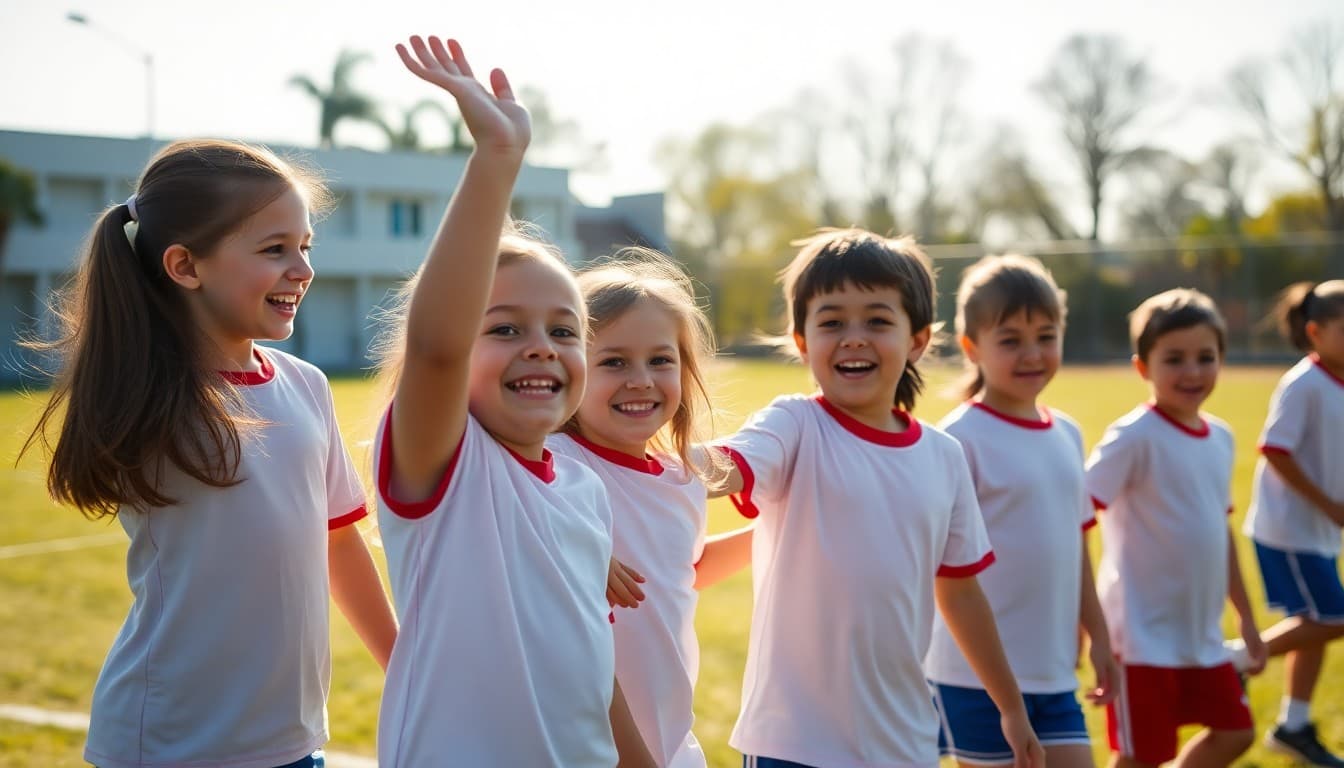
Sports Season Newsletter for Teachers: Support Student Athletes
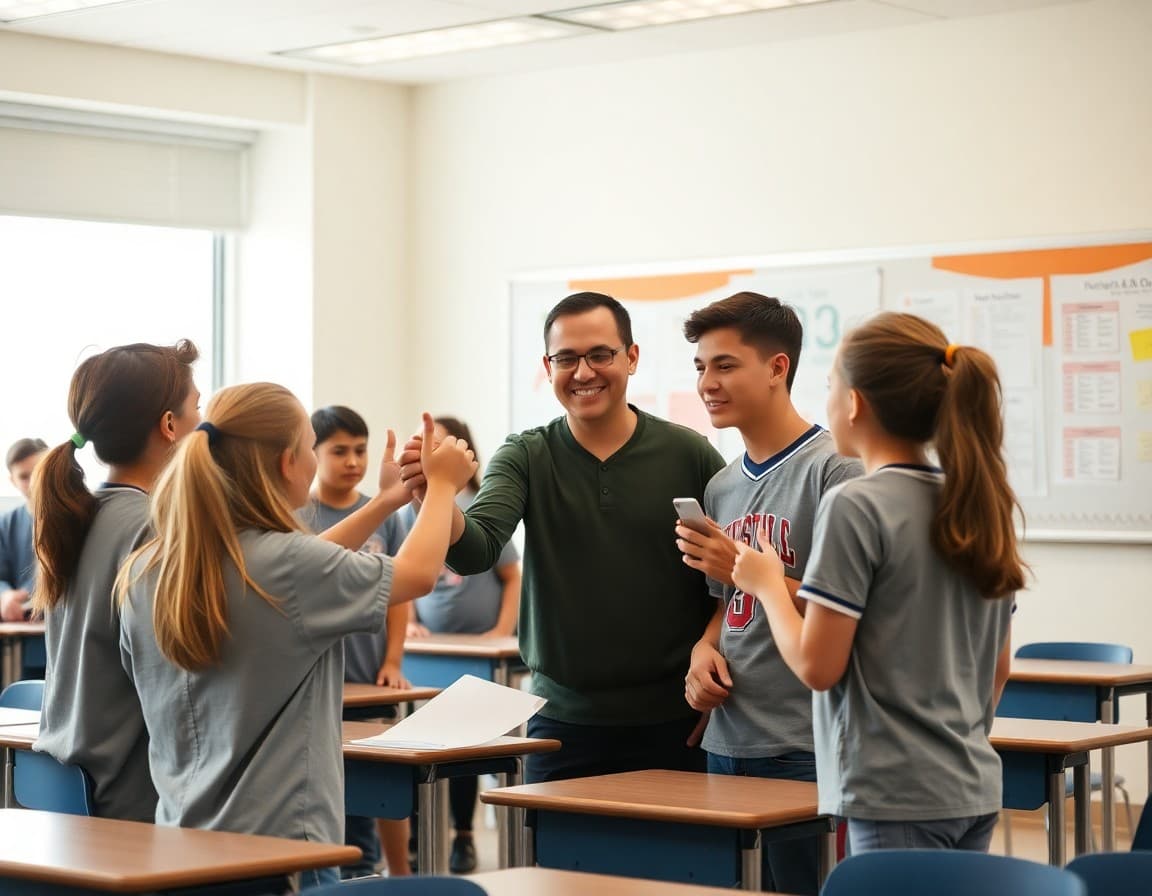
Sports season in elementary and middle school creates a classroom dynamic worth acknowledging. Some students are juggling practices and games alongside homework. Others are purely focused on academics. A thoughtful newsletter addresses both groups, keeps expectations clear, and uses the season as a reason to build community rather than divide it.
Acknowledge the Athletes in Your Class
If students have given permission, name the athletes in your class and what they are playing this season. A simple acknowledgment matters more than most teachers realize. "We have three soccer players, two cross-country runners, and one student on the swim team this fall. Congratulations to all of them." That sentence takes ten seconds to write and stays with a student for a long time. Make sure you have the student's okay before naming them publicly.
Clarify Your Make-Up Work Policy
Put your policy in writing. Every sports season, at least one family will ask about missed work due to an early-release game or a late practice that ran over. If your policy is already in your newsletter, you have something to point to. "If a student misses class for a school-sanctioned event, they have two days to submit any missed work for full credit." Specific, fair, and documented. This protects both you and the families.
Set Homework Expectations for Busy Weeks
If your class regularly has homework, be realistic about game nights. A long reading assignment on the night of an away game is going to get done poorly or not at all. You do not need to eliminate homework during sports season, but you can acknowledge the reality. "On game nights, keep reading time to 20 minutes and skip the optional extension work. Core assignments stay the same." That kind of flexibility builds goodwill without sacrificing rigor.
Include Non-Athlete Students
Not every student in your class plays sports, and some may feel overlooked during a sports-heavy month. Balance the newsletter by acknowledging other extracurricular commitments: music lessons, coding clubs, art classes, family responsibilities. A line like "our class is full of people doing impressive things outside of school hours, athletes and non-athletes alike" does the job without being forced.
Connect Sports to Classroom Values
If your class works on growth mindset, teamwork, or persistence, sports season is a natural moment to reinforce those values. "What athletes practice on the field, we practice in the classroom: showing up when things are hard, learning from mistakes, and supporting each other." This framing makes the sports season relevant to every student, not just the ones who play.
Note Any Schedule Impacts
If games or events will affect school arrival or dismissal times for some students, say so. If a pep rally is planned, if the gym will be unavailable during PE, or if any sports-related school events will change the schedule, put that information in the newsletter. Families plan their days around school schedules. Changes deserve clear advance notice.
Celebrate Results Without Pressure
You can celebrate a team win or acknowledge a strong performance without turning the newsletter into a scoreboard. "Our soccer players won their game on Tuesday. Whatever the results each week, they are showing real commitment and that counts." That framing keeps the focus on effort and character rather than outcomes.
Get one newsletter idea every week.
Free. For teachers. No spam.
Frequently asked questions
What should a sports season classroom newsletter cover?
Which students are participating in school sports this season, the general game or practice schedule if relevant to classroom attendance, your homework and make-up work policy for student athletes, and how families can support both athletes and non-athletes during a sports-heavy period.
Should I list which students are on school sports teams in my newsletter?
Get student permission first, or ask athletes to share with the class themselves. A public acknowledgment in the newsletter works well if students want to be recognized. If any athlete wants to keep it private, respect that and do not name them without consent.
How do I handle homework during a busy sports season without playing favorites?
Apply the same policy to all students with after-school commitments, not just athletes. If you extend a deadline for a student with a game on Tuesday, offer the same extension to a student who has rehearsal or a family obligation. Consistent, written policies prevent conflict.
What if sports season affects classroom energy and focus?
Address it directly in the newsletter. 'During sports season, classroom energy can shift. I will do my best to keep routines consistent. Please help your child get adequate sleep and arrive on time, especially after late games.' Families appreciate honesty about the real-world impact.
How can Daystage help with a sports season newsletter?
Daystage lets you include a quick schedule block, photo gallery, and personalized shoutouts to student athletes all in one place, so your newsletter feels celebratory rather than just logistical.

Adi Ackerman
Author
Adi Ackerman is a former classroom teacher and curriculum writer with 8 years in K-8 schools. She writes about school communication, parent engagement, and what actually works in real classrooms.
More for Classroom Teachers
Ready to send your first newsletter?
3 newsletters free. No credit card. First one ready in under 5 minutes.
Get started free