
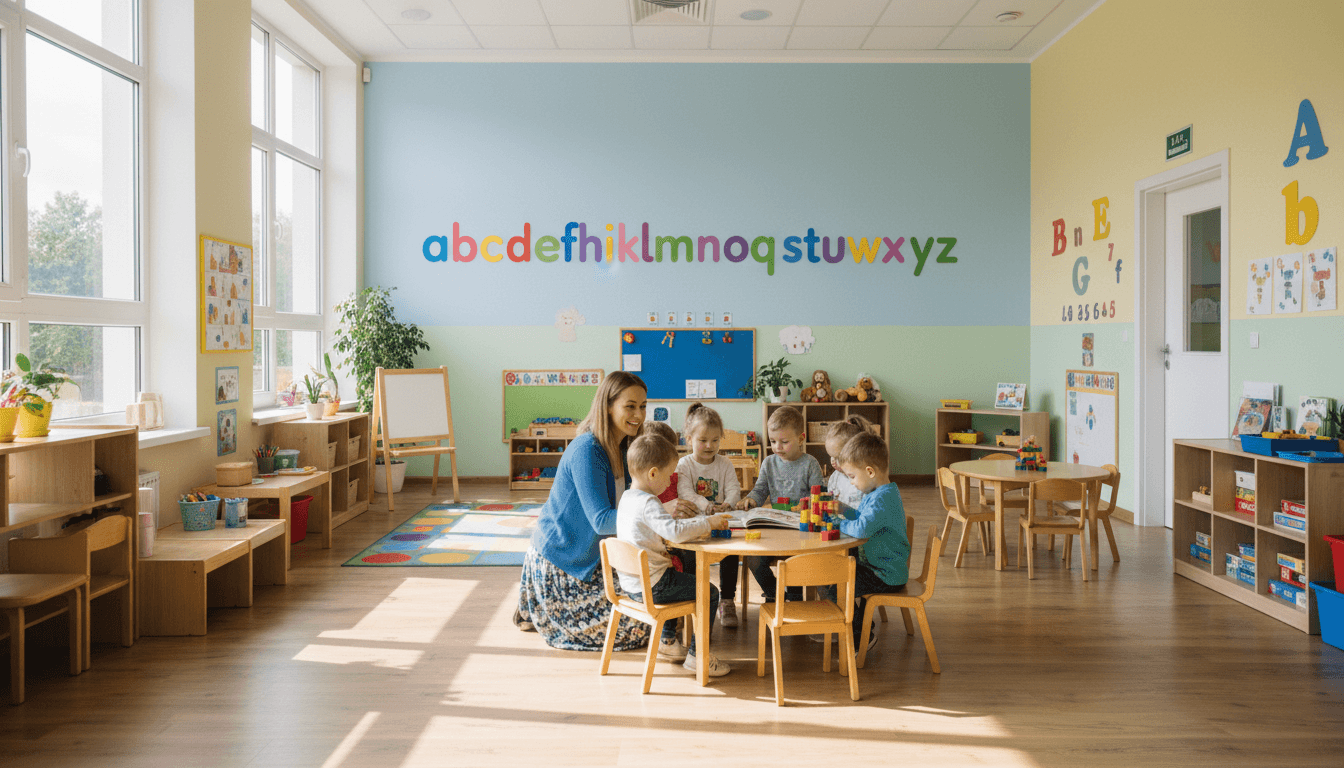
Sixth Grade Classroom Newsletter: What Middle School Parents Need to Know
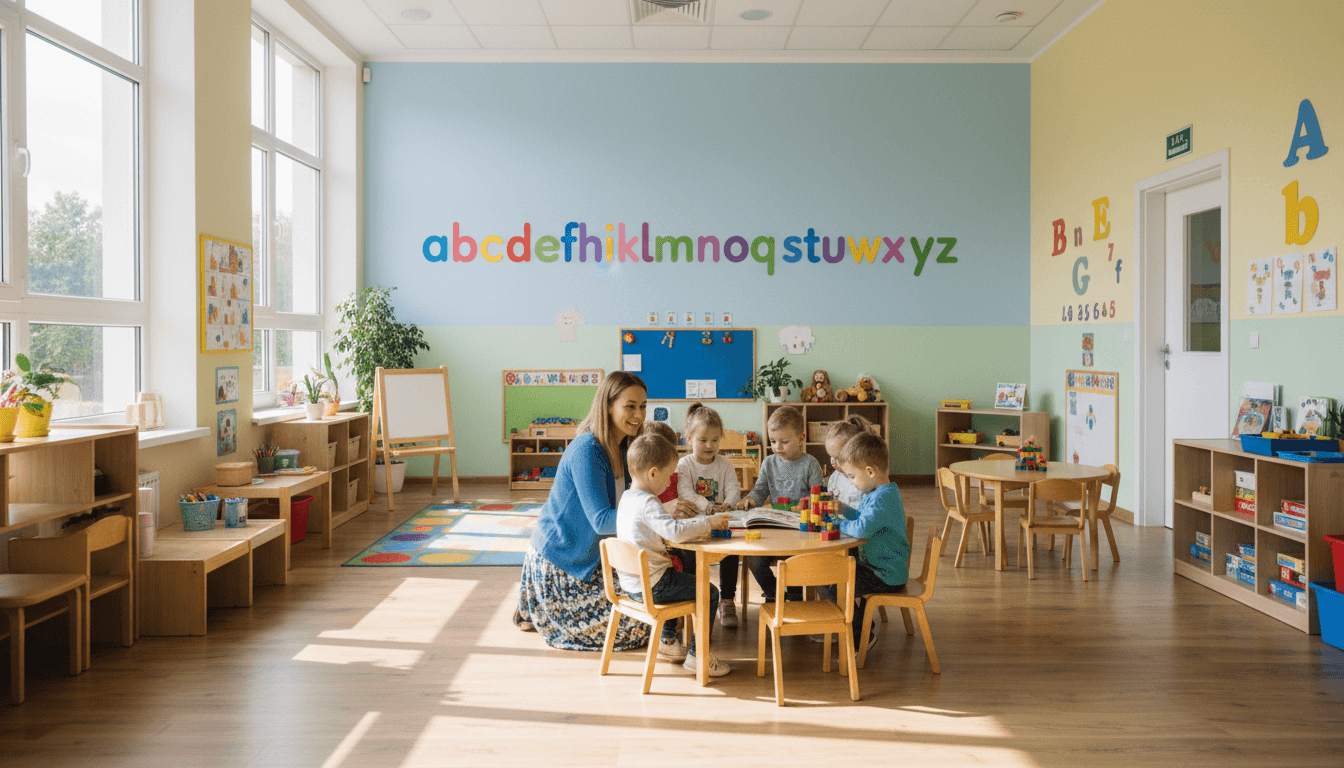
Sixth grade is the first year most students encounter multiple teachers, changing classes, and a school day that does not have one adult watching over everything. Parents who were deeply connected in fifth grade often feel cut off in sixth. A classroom newsletter is one of the most direct ways to close that gap.
The middle school transition changes what parents need
Elementary school parents knew the classroom routine cold. Middle school parents often do not know which class their child is struggling in until a grade comes home. Your newsletter fills that gap by giving parents a window into your specific class, your expectations, and your timeline.
Be explicit about things elementary teachers assumed parents already knew. What does your late work policy look like? How should a student handle a missing assignment? What is the best way to reach you? These details belong in the early-year newsletters and can be referenced briefly through the year.
What to cover in each newsletter
Lead with the current unit or project so parents know where you are in the curriculum. One paragraph is plenty. Follow with upcoming assessments and their dates so parents can plan ahead. Then include any action items, supplies needed, or upcoming events.
End with a short note about what you have noticed in the class this week. A student who asked a sharp question. A group project that went in an unexpected direction. Something that makes your classroom feel like a real place to a parent reading from their phone.
Pacing your newsletter through the year
Send more frequently at the start of the year when expectations are new and families are getting oriented. In September and October, weekly newsletters make sense. By November you can move to biweekly. At semester breaks, a summary newsletter that wraps up the term and previews the next one is worth the extra time it takes.
Tone for sixth grade families
Write like you talk to a competent adult. You are not managing parents the way you manage students. They are your partners. A newsletter that treats them that way earns more goodwill than one that reads like a school policy document. Be direct, be specific, and skip the filler phrases.
Avoid educational jargon that parents outside the field will not know. If you reference a curriculum framework or a testing format, use one sentence to explain what it means in practice for their student.
Using the newsletter to handle common questions in advance
After your first few newsletters, you will start to notice which parent questions come up repeatedly. Put the answer to those questions in the newsletter before they are asked. This is not about reducing email for your own sake, though that is a real benefit. It is about making sure every parent gets the same accurate information at the same time, rather than whoever emails you first.
Get one newsletter idea every week.
Free. For teachers. No spam.
Frequently asked questions
How often should sixth grade teachers send a classroom newsletter?
Every two weeks is a reasonable frequency for most sixth grade classrooms. Students at this age are managing more classes and more independence, so a biweekly newsletter keeps parents informed without creating newsletter fatigue on your end. If something significant is happening, send a shorter update in between.
What should a sixth grade classroom newsletter include?
Cover the current unit or project, upcoming assessments with dates, any homework expectations, and one or two things parents can do at home to support learning. In sixth grade, the transition to middle school structure is new for most families, so explaining how your class fits into the larger schedule helps.
Should sixth grade newsletters go to students or parents?
Send to parents primarily, but CC students if your school email system allows it. At this age, students start to take ownership of their own organization, and a shared newsletter gives them something to reference without fully relying on their parents to filter information for them.
How long should a sixth grade classroom newsletter be?
400 to 600 words is the right range. Sixth grade parents are managing more schools or subjects than they were in elementary, so they read faster and want the key information without scrolling. Bullet points for upcoming dates save everyone time.
How does Daystage help sixth grade teachers with newsletters?
Daystage is built for classroom newsletters at every grade level. You create a reusable template so the structure stays consistent each send, and the tool tracks which parents have opened the newsletter so you can follow up directly with the ones who are missing your updates.

Adi Ackerman
Author
Adi Ackerman is a former classroom teacher and curriculum writer with 8 years in K-8 schools. She writes about school communication, parent engagement, and what actually works in real classrooms.
More for Classroom Teachers
Ready to send your first newsletter?
3 newsletters free. No credit card. First one ready in under 5 minutes.
Get started free