
Outdoor Education Classroom Newsletter: Learning Outside Guide

Getting students outside for learning is one of the most effective things you can do for engagement. Fresh air, physical space, and hands-on observation change how students pay attention and retain information. But families who do not know what is happening outside can quickly become skeptical about academic rigor. A clear newsletter makes the case before anyone has to ask.
What Outdoor Education Looks Like in Your Classroom
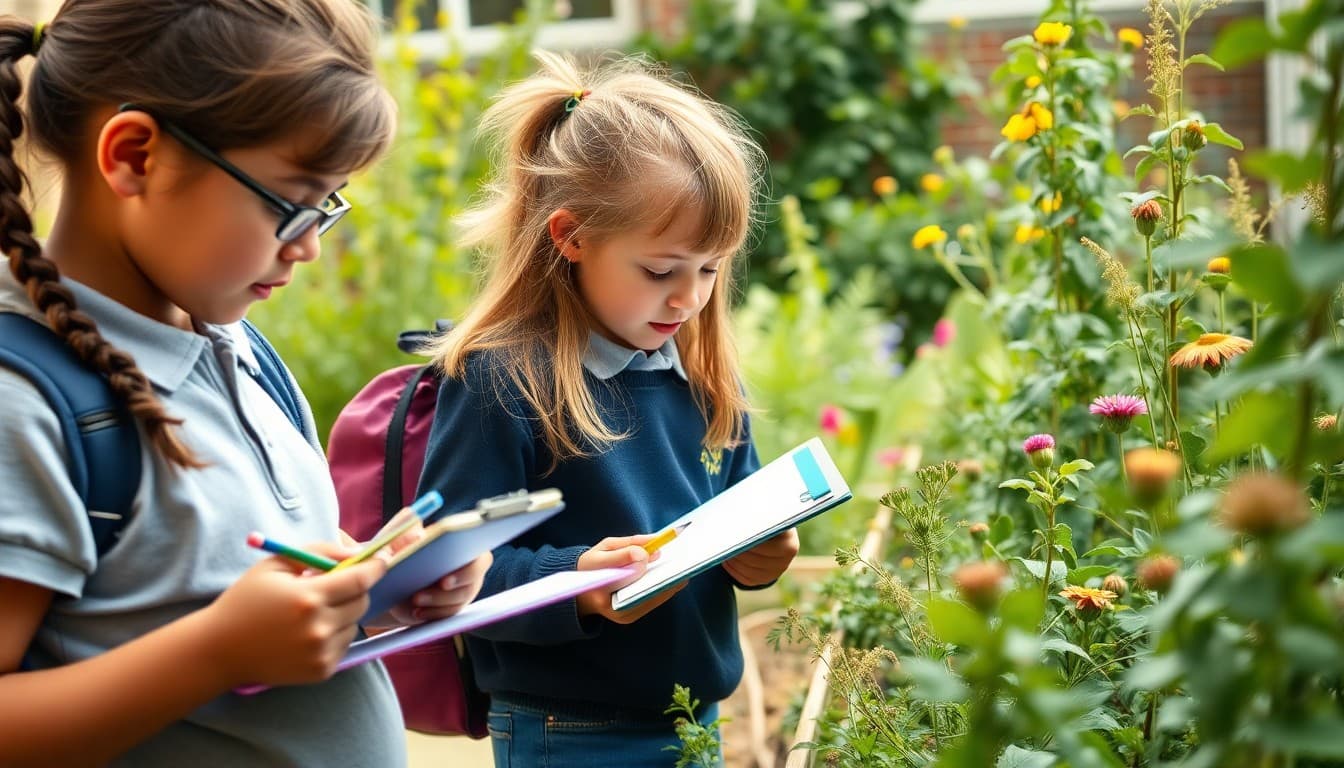
Describe the format of your outdoor learning. Is it a weekly garden session? A monthly nature journal? Field observation tied to science units? However you structure it, be specific. "Every Thursday afternoon we spend 30 minutes in the school garden. Students record observations in their science notebooks and connect what they see to what we are studying inside." That one description sets the expectation and explains the purpose.
The Curriculum Connection Matters
Outdoor learning loses credibility with families if it seems disconnected from classroom goals. In every newsletter that mentions it, tie the outdoor activity to a specific unit, skill, or standard. "This week our outdoor time connects to our plant life cycles unit. Students are measuring germination rates in the raised beds and comparing their data to the predictions they made in class." That connection is the difference between "kids playing outside" and "science instruction."
What to Wear and Bring
Practical information prevents mornings ruined by wrong shoes or missing rain jackets. Include a simple checklist before outdoor sessions start for the year or season. Closed-toe shoes, weather-appropriate layers, sunscreen for spring and fall, insect repellent if relevant. Some teachers keep a small supply of sunscreen and hand sanitizer at school. If you do, say that in the newsletter so families know their child is covered even if they forget.
Your Weather and Contingency Plan
Every outdoor education newsletter should include a brief note on what happens when the weather does not cooperate. "We go outside unless it is actively raining or below 40 degrees. On those days we do the same activity indoors." That clarity prevents families from assuming outdoor time is cancelled every cloudy day. It also shows that you have thought through the logistics.
A Template for Your Outdoor Learning Section
This week outside: We are working on [topic or skill] in [location]. Students will [specific activity].
What to send: [list of clothing or supplies needed]
Weather plan: We go outside unless [your specific conditions]. If weather prevents it, we will [indoor alternative].
Ask your child: [a specific question that connects the outdoor activity to the curriculum]
Sharing What Students Discovered
After each outdoor session, include a brief update in the following newsletter. What did students find, notice, or record? "This week students discovered that the bean plants in the west bed grew 40% faster than those in the shaded corner. We spent our Friday lesson trying to figure out why." That kind of follow-through closes the loop for families and reinforces that outdoor time produces real academic content.
Handling Reluctant Students
A few students in every class are genuinely uncomfortable outside, whether from sensory issues, allergies, anxiety, or just a strong preference for being indoors. A single sentence in the newsletter acknowledges this: "If your child has concerns about outdoor time, please reach out so we can plan together." That line keeps those families from feeling like their child will be forced into something uncomfortable.
Inviting Family Volunteers
Outdoor sessions are a great time for parent volunteers because the work is visible, hands-on, and fun. Include a brief invitation in your fall newsletter and again at the start of spring. "If you are available for our Thursday outdoor sessions and would like to help, let me know. We can always use an extra set of hands in the garden." Families who volunteer for outdoor learning often become your most engaged classroom supporters.
Get one newsletter idea every week.
Free. For teachers. No spam.
Frequently asked questions
What do parents need to know before an outdoor learning day?
What to wear and bring, what the weather contingency is, what students will be doing outside, and whether any special permissions are needed. Practical preparation information reduces the morning scramble and the parent emails asking if they need to pack different shoes. Send this at least three days before the first outdoor session.
How do I explain the academic value of outdoor learning to skeptical parents?
Connect the outdoor activity directly to a standard or learning goal. 'Our outdoor session ties to our science unit on plant life cycles. Students will observe, sketch, and record data from the school garden.' That framing shows outdoor time as instruction, not a break. Most skepticism fades when parents see the connection to curriculum.
What if students have allergies related to outdoor learning?
Address it before the season starts. Invite families to share relevant medical information, confirm that the nurse has been consulted, and describe what you do when a student reacts. Families with allergic children are often hesitant to say anything because they do not want to limit the class. Raising it first removes that barrier.
How do I handle parent concerns about safety during outdoor sessions?
Describe your supervision setup and any boundaries or rules students follow when they are outside. 'We work in a designated area. Students must stay within sight of the teacher at all times and follow the same behavior expectations as inside the classroom.' Concrete safety information is more reassuring than general statements about being careful.
Can Daystage help me communicate outdoor learning plans to families?
Yes. You can create a clear, visually organized Daystage newsletter that includes the outdoor schedule, a packing checklist, and photos from previous outdoor sessions. Families who can see what outdoor learning looks like in your classroom are far more supportive of it.

Adi Ackerman
Author
Adi Ackerman is a former classroom teacher and curriculum writer with 8 years in K-8 schools. She writes about school communication, parent engagement, and what actually works in real classrooms.
More for Classroom Teachers
Ready to send your first newsletter?
3 newsletters free. No credit card. First one ready in under 5 minutes.
Get started free