
October Kindergarten Parent Newsletter Template: What to Include This Month
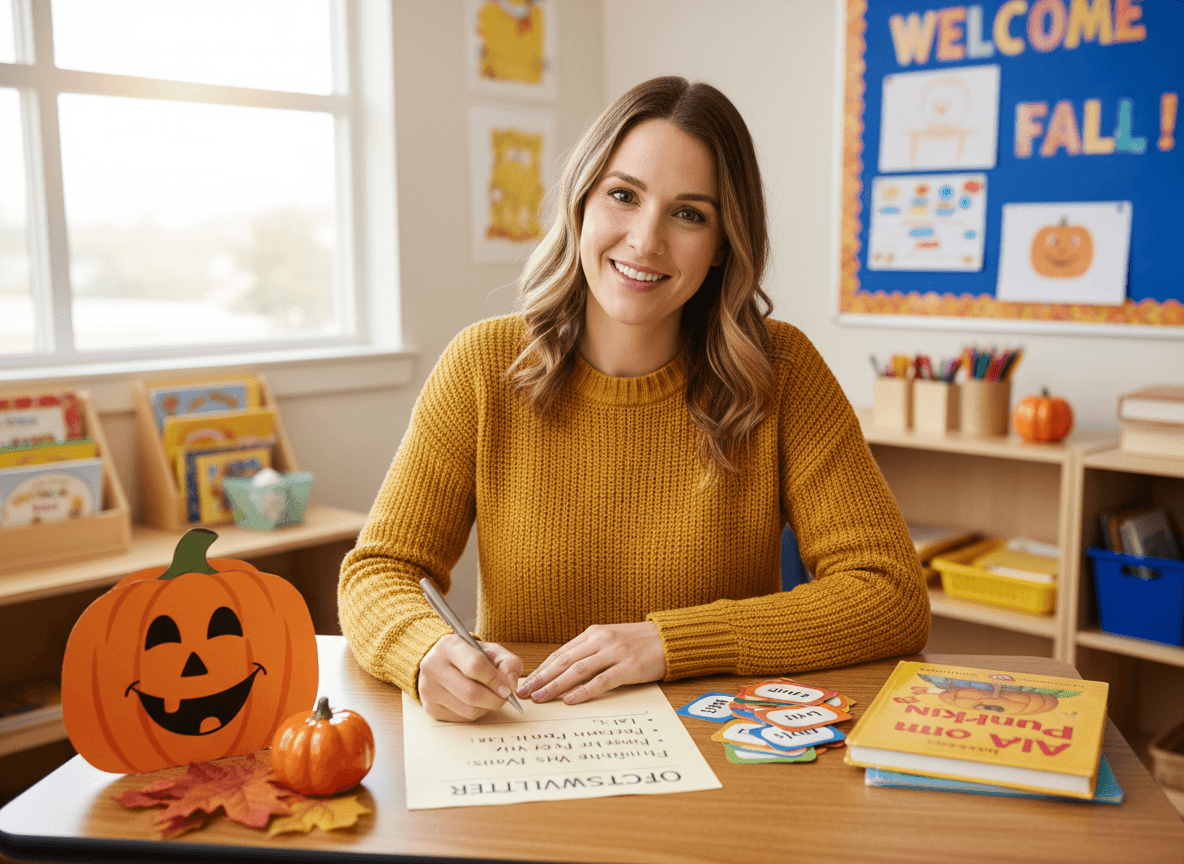
October is one of the most energetic months in a kindergarten classroom. The fall unit is in full swing, letter and sound work is picking up speed, and the calendar is filling up with seasonal events. An October newsletter to kindergarten parents holds all of that together and gives families a clear picture of what their child is learning, what is coming up, and how they can stay involved.
What the fall unit is covering
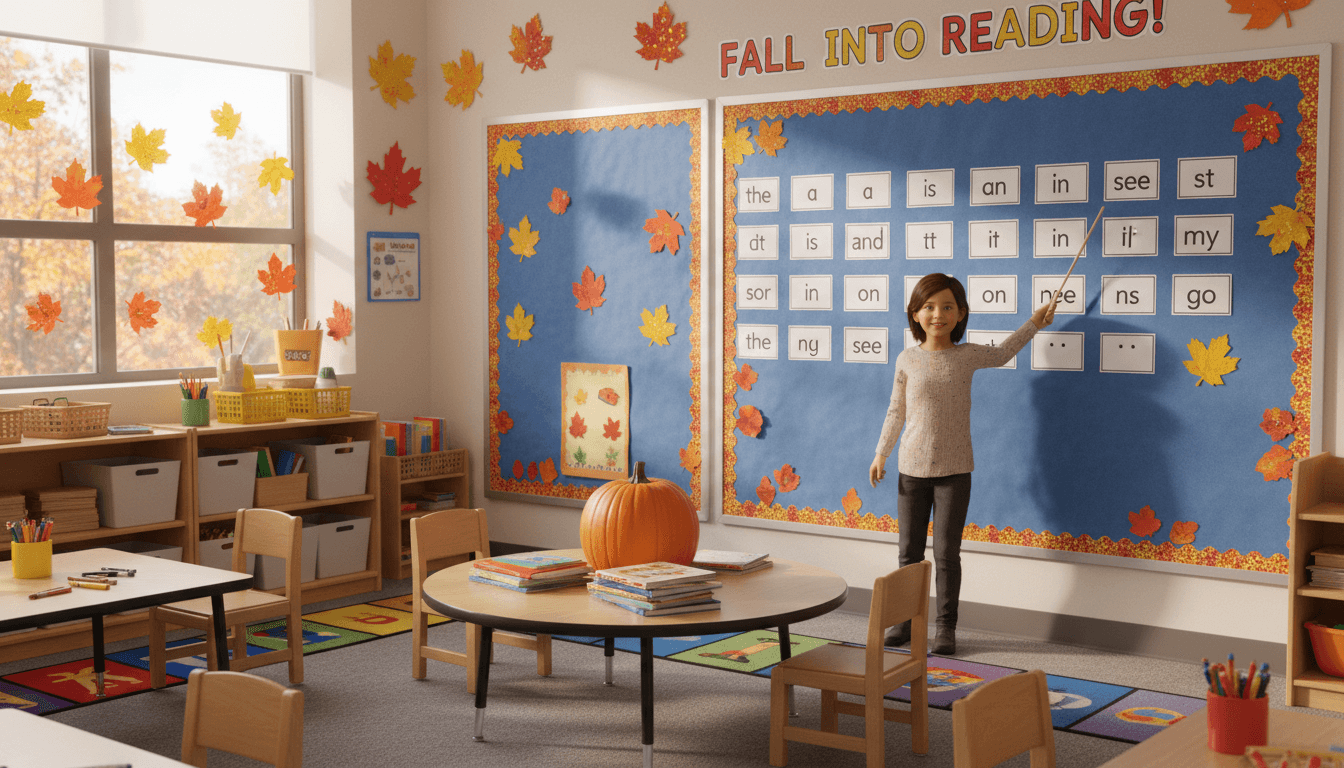
Most kindergarten fall units center on observable seasonal changes: leaves changing color and falling, animals preparing for winter, pumpkins and gourds, and the shift in weather. Share what your class is exploring this month. If you are reading fall-themed books, doing a leaf observation activity, or growing and studying a pumpkin, name the specific activities so families can talk with their child about what they experienced.
Connecting classroom learning to daily life is one of the easiest ways families can reinforce what their child is working on. A family that takes a walk to look at changing leaves and talks about what they see is extending the science unit without any extra planning.
Letter and sound progress: where the class is now
By October, most kindergartners have been introduced to a solid set of initial letter sounds, even if they are not all mastered. Share the letters and sounds the class has covered so far and tell families what you are working on this month. If there is a specific letter or pattern that the class is finding tricky, name it and give families a quick way to practice at home.
For families who want to practice phonics at home, simple activities work best. Asking a child to think of three words that start with the "B" sound, pointing to letters on a cereal box, or playing "I spy something that starts with M" all build the letter-sound connections that early reading depends on.
Sight word update: the current list
Share the sight words you are working on in October and any from September that most children have solidified. Let families know how practice is going in class and give them a simple at-home strategy. Flashcards remain effective for sight words because the goal is instant recognition, not sounding out. A few minutes of flashcard practice a few times a week adds up faster than families expect.
If some children are ready for a longer list and others are still working on the core words, you do not need to address individual differences in the newsletter. A note that children are working at their own pace is enough context for families.
Halloween in our classroom: what to know
Be specific and clear. Tell families exactly what your classroom is doing for Halloween: whether there is a costume parade, a class party with seasonal snacks, or a fall celebration that does not use Halloween themes. If costumes are involved, give concrete guidelines now rather than the week before: no masks that cover the face, no prop weapons, costumes that can be put on over regular clothes in under five minutes, and the time children should bring them.
If families need to sign up to contribute a snack or supply, include that information here. If your school has a diverse community with varying cultural or religious perspectives on Halloween, a brief, respectful acknowledgment that the celebration is focused on fall community fun goes a long way.
Fall field trip or harvest activity
If your class has a fall field trip or harvest activity coming up in October or early November, give families the logistics now. Date, location, how transportation works, what to wear, whether to pack a lunch, and what the permission form and cost situation looks like. If you need chaperones, state how many and how to volunteer.
Add a sentence about the learning connection: that the apple orchard visit ties to the life cycles unit, or that the pumpkin patch connects to the math work on size and measurement. Families who see the educational purpose are more engaged with the trip and more likely to talk with their child about it before and after.
Reading aloud in October: book recommendations
October is a wonderful month for fall and spooky-but-not-scary picture books. Share two or three titles the class has read and loved this month, or a recommendation for families to find at the library. Books that feature the fall season, animals getting ready for winter, or gentle Halloween themes are almost universally popular with kindergartners. Families who read aloud with their child for ten minutes most evenings are giving their kindergartner one of the biggest literacy advantages available, and a good book recommendation makes that easier.
October reminders
Close the newsletter with a brief bulleted list of October dates: Halloween event details, field trip dates and permission form deadlines, any early dismissal days, parent-teacher conference scheduling if fall conferences are coming up, and any supply needs for the month. Families who can scan the dates at a glance are less likely to miss something important in a busy October.
Get one newsletter idea every week.
Free. For teachers. No spam.
Frequently asked questions
What should an October kindergarten newsletter include?
October newsletters for kindergarten parents typically cover the fall thematic unit, letter and sound progress since September, the current sight word list, your classroom's Halloween policy, and any fall field trip or harvest activity coming up. Families with kindergartners are curious about the seasonal classroom content and want to know how their child is progressing with foundational literacy. Giving them both pieces in one newsletter keeps them engaged and informed.
How should I handle Halloween in a kindergarten parent newsletter?
Be direct and clear. State exactly what your classroom is doing: whether there is a costume parade, a class party, a Halloween-adjacent fall celebration, or no in-school observance at all. If costumes are involved, give specific guidelines, such as no masks, no weapons, and bringing the costume in a bag to change into. If your school has families with different cultural or religious perspectives on Halloween, acknowledge that your celebration is inclusive and focused on fall themes. Clarity prevents the costume-day confusion that kindergarten teachers deal with every October.
How do I communicate letter and sound progress in an October kindergarten newsletter?
Share the letters and sounds the class has covered so far and name the ones you are working on this month. Give families a simple way to practice at home: asking their child to name the sound each letter makes, looking for letters on food packages or street signs, or playing a game where they think of a word that starts with a specific sound. Families who can see concrete progress feel more confident about their child's learning trajectory.
How do I explain a fall field trip or harvest activity in a kindergarten newsletter?
Give families the essential logistics: date, location, transportation, what to wear or bring, whether they need to sign and return a permission form, and the cost if there is one. Then add one sentence about the educational connection: what the children will be observing, learning, or experiencing that ties to the classroom unit. Families who understand the purpose of a field trip are more enthusiastic about signing permission forms and preparing their child for the experience.
What newsletter tool works best for October kindergarten parent newsletters?
Daystage is designed for teachers who want to send a warm, organized monthly newsletter without the formatting headache. An October newsletter covering fall themes, literacy progress, sight words, Halloween policy, and a field trip all fits cleanly in one Daystage send. Most kindergarten teachers put the whole newsletter together in fifteen to twenty minutes, which matters a lot in a busy October full of classroom events.

Adi Ackerman
Author
Adi Ackerman is a former classroom teacher and curriculum writer with 8 years in K-8 schools. She writes about school communication, parent engagement, and what actually works in real classrooms.
More for Classroom Teachers
ELA Curriculum Update in Your Classroom Newsletter: What Parents Need to Know
Classroom Teachers · 6 min read
Communicating a Community Service Project in Your Classroom Newsletter
Classroom Teachers · 5 min read
Cultural Heritage Month in Your Classroom Newsletter: What to Communicate
Classroom Teachers · 6 min read
Ready to send your first newsletter?
3 newsletters free. No credit card. First one ready in under 5 minutes.
Get started free