

Newsletter for Your World War II Unit: A Parent Communication Guide
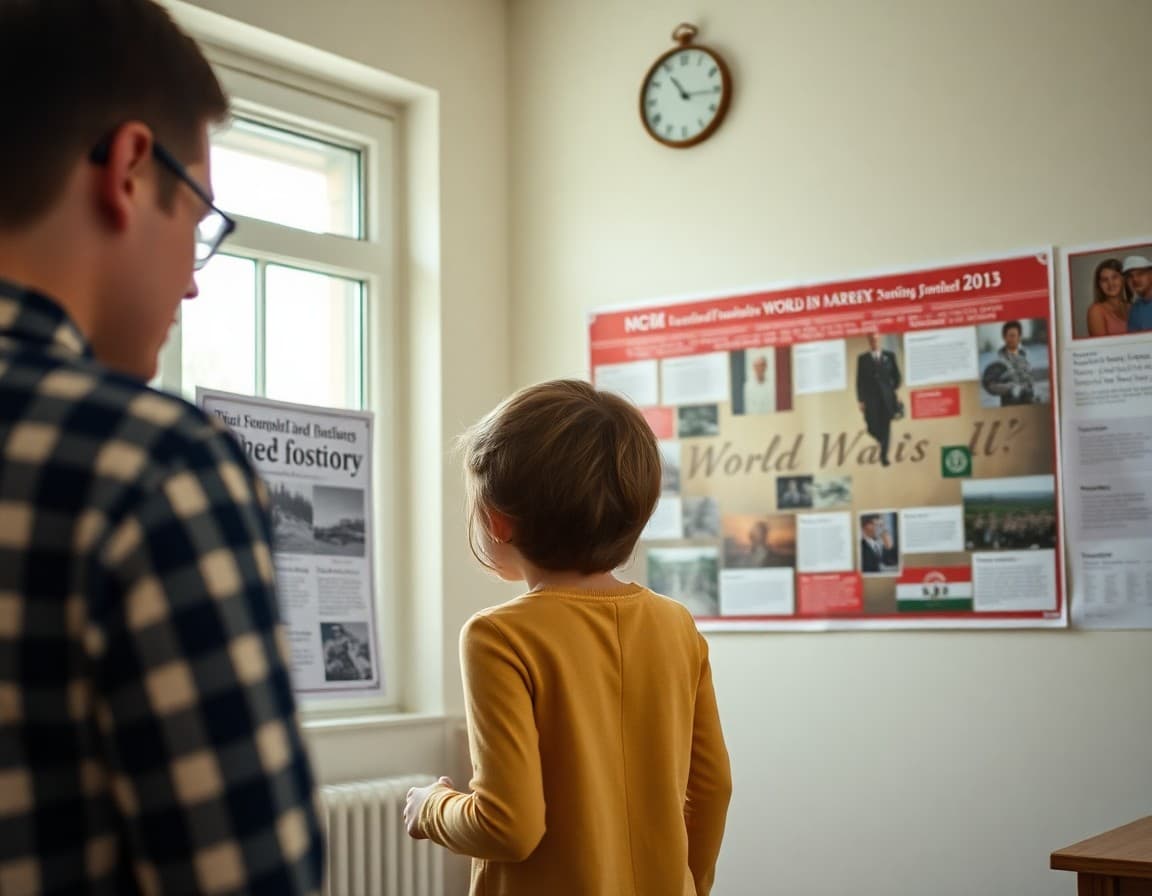
World War II is one of the most significant events in modern history and one of the most emotionally weighty units you will teach. The Holocaust, the atomic bombings, the home front, the liberation: these topics require careful, honest teaching. A newsletter that prepares families for the content and gives them tools for home conversation makes the unit more meaningful and less likely to produce surprise or confusion.
What Your Unit Covers
Name the scope explicitly. A comprehensive WWII unit typically covers the rise of fascism in Europe and Japan, the causes of the war, major campaigns and turning points (North Africa, D-Day, the Pacific), the Holocaust, the home front in America (including Japanese American internment), the atomic bombs and the decision to use them, and the aftermath and consequences. Tell families what is included so they know what homework and discussion to expect.
Preparing Families for Difficult Content
Give advance notice about the Holocaust specifically. Explain that students will study it honestly using age-appropriate primary sources and accounts. Ask families to create space at home for students to process what they are learning: "Some content in this unit is disturbing because the events themselves were disturbing. That discomfort is an appropriate response to history. We want students to feel the weight of it rather than treat it as abstract information. If your child comes home with difficult feelings, those feelings are valid."
Key Vocabulary for the Unit
Fascism, totalitarianism, genocide, Holocaust, Allies, Axis, D-Day, the Pacific Theater, home front, rationing, internment, atomic bomb, and surrender are the essential terms. For each: Fascism: an authoritarian political ideology with extreme nationalism and suppression of opposition. Genocide: the deliberate killing of a large group of people based on ethnicity, religion, or nationality. Rationing: limiting access to goods during wartime to ensure fair distribution. These definitions help families follow homework and review for assessments.
Japanese American Internment
If your unit covers Japanese American internment, mention it in the newsletter. This is a chapter of American history that many families are less familiar with: the forced relocation of approximately 120,000 Japanese Americans to internment camps following Pearl Harbor. Students often respond to this topic with strong feelings about justice and civil liberties. Families who are prepared for this content can engage with those conversations productively rather than being caught off guard.
Primary Sources for WWII
The sources available for WWII are some of the richest in history education. Anne Frank's diary, letters from soldiers and civilians, FDR's Day of Infamy speech, photographs from the front and from liberated concentration camps, and survivor testimony bring the period to life in ways a textbook summary cannot. The US Holocaust Memorial Museum (ushmm.org) has extensive free resources for educators and families. Mentioning this in your newsletter gives families a starting point if they want to explore further.
Home Conversations About Moral Complexity
WWII generates some of the most morally complex questions students encounter: Was it right to drop the atomic bomb? Were ordinary soldiers who fought for the Axis morally culpable? Could the Holocaust have been stopped earlier? These questions do not have simple answers and that is the point. Your newsletter can invite families into them: "Your child may come home with questions that have no easy answer. Sit with those questions together. History that makes us think hard is doing its job."
Sample Newsletter Excerpt
Try this: "This month we begin our World War II unit. We will study the causes of the war, major turning points, the Holocaust, and the war's impact on the home front, including Japanese American internment. Some of this content is difficult because the events were difficult. At home, if your child shares something that troubles them from class, ask them: who was affected by this? What choices did people have? What would you have done? Those questions move history from memorized facts to genuine understanding."
Sending the WWII Unit Newsletter
Daystage makes it easy to send a formatted WWII unit newsletter with vocabulary, sensitive content notice, primary source references, and discussion questions to every family at once. Advance notice about difficult content is one of the most important things you can communicate. Write your unit newsletter and send it before the first lesson so families arrive informed and ready to support the unit at home.
Get one newsletter idea every week.
Free. For teachers. No spam.
Frequently asked questions
What should a World War II unit newsletter include?
Explain the scope of your unit, the key themes and questions students will investigate, vocabulary families should know, a note about sensitive content such as the Holocaust and atomic bombs, and suggestions for home conversations and age-appropriate resources.
How do I prepare families for Holocaust content in the WWII unit?
Give advance notice. Explain that students will study the Holocaust honestly using age-appropriate primary sources and survivor accounts. Ask families to create space at home for students to process difficult information. Some students may have family connections to this history that make the content especially personal.
What vocabulary should the World War II newsletter include?
Fascism, totalitarianism, Holocaust, genocide, concentration camp, Allies, Axis, D-Day, the Pacific Theater, Japanese American internment, atomic bomb, rationing, and the Geneva Convention are the core terms for a comprehensive WWII unit.
What primary sources are most effective for WWII study?
The diary of Anne Frank, letters from soldiers on all sides, photographs from the war, newspaper front pages, presidential speeches (FDR's Day of Infamy speech, Truman's announcement of the bomb), and survivor testimony are the most impactful primary sources. Museums like the US Holocaust Memorial Museum have extensive free online resources.
What tool helps teachers send history unit newsletters to families?
Daystage is a classroom newsletter platform that lets teachers send formatted history unit updates with vocabulary, sensitive content notices, and discussion questions to all families at once. Teachers use it at the start of major history units to prepare families for the content.

Adi Ackerman
Author
Adi Ackerman is a former classroom teacher and curriculum writer with 8 years in K-8 schools. She writes about school communication, parent engagement, and what actually works in real classrooms.
More for Classroom Teachers
Newsletter for Your Civil War Unit: Helping Families Engage with History
Classroom Teachers · 6 min read
Newsletter for Your Civil Rights Unit: Having Important Conversations at Home
Classroom Teachers · 6 min read
Newsletter for Your Immigration History Unit: Connecting Class to Family Stories
Classroom Teachers · 6 min read
Ready to send your first newsletter?
3 newsletters free. No credit card. First one ready in under 5 minutes.
Get started free