
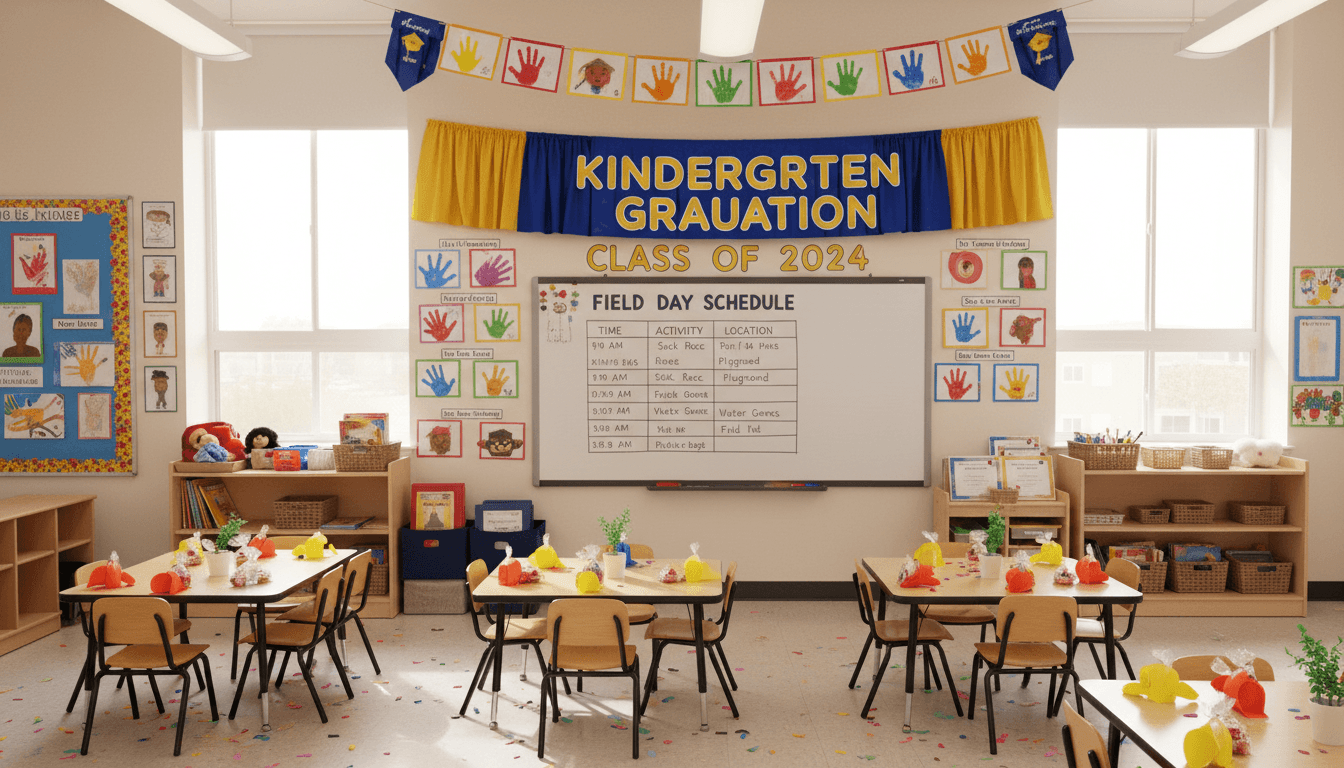
May Kindergarten Parent Newsletter Template: What to Include This Month

May is the month kindergarten families feel all at once. Pride at how far their child has come, anticipation of what first grade holds, the logistics of field day and graduation, and the bittersweet awareness that this particular classroom and this particular teacher are almost in the past. A May newsletter to kindergarten parents holds all of that with honesty and warmth while giving families the practical information they need for the final weeks of the year.
Sample May kindergarten newsletter structure
Open the May newsletter with something real about the year. Not a generic celebration, but a specific observation about what this class has done together. Name something the class as a whole accomplished that you are proud of. Families remember this kind of specific acknowledgment long after the newsletter itself.
Then move through the key sections below. May newsletters can be slightly longer than other months because there is more to cover. But keep each section tight. Families are busy in May and newsletters that are easy to read get read.
Celebrating end-of-year milestones
The May newsletter is the right moment to step back and name what kindergartners have accomplished over the school year. Not in a generic way, but in the specific way that only the teacher who was in the room all year can do. What reading skills did students develop that they did not have in September? What math concepts are they confident with now? How have they grown as classroom community members, problem-solvers, and independent learners?
Families who see the year reflected back to them in specific, meaningful terms feel proud and grateful. That reflection is one of the most valuable things a May newsletter can offer.
First grade readiness: what families should know
Parents of kindergartners are almost always wondering whether their child is ready for first grade. The May newsletter is a good place to address that directly. Name the skills students have built: foundational reading skills including letter-sound knowledge, phonemic awareness, and sight word recognition; writing sentences and short texts with emerging spacing and capitalization; number sense through the tens; and the social-emotional skills that make first grade manageable, like following multi-step directions, taking turns, and asking for help.
Acknowledge that the timeline for skill development varies across kindergartners and that first grade readiness is a range, not a single standard. If you are sharing individual assessments or readiness conversations with families before the end of the year, note the timing in the newsletter. Families who feel informed head into summer with confidence rather than worry.
Field day: what to send and what to expect
Share the field day date, schedule, and everything families need to prepare their child. Practical details matter here: what to wear, whether sunscreen should be applied at home before school, whether students need a labeled water bottle, whether families should pack an extra snack or whether one is provided, and whether parents can come and watch or participate.
Field day is a genuine highlight for kindergartners and families who receive clear information in advance are more likely to make it a positive experience. A five-year-old who arrives at field day in sandals and without a water bottle has a harder morning than one who came prepared. The newsletter logistics prevent that.
Kindergarten graduation or moving-up ceremony
If your school holds a kindergarten graduation or moving-up ceremony, the May newsletter is the place to share the full logistics. Include the date, time, location, and format of the ceremony. Let families know whether tickets or RSVPs are required, how many guests each student can bring, whether students should dress up, and what the ceremony will look like.
If students are practicing a song, poem, or performance piece, let families know so they can ask their child about it and build excitement. If families need to prepare or send anything, include the timeline clearly. This is a milestone moment for families, and your newsletter communication should match that significance.
Summer reading tips to protect the skills built this year
Summer slide is most significant in early literacy. Kindergartners who spent the year building reading skills can lose ground over a long summer without books. The May newsletter is an ideal moment to give families specific, practical summer reading guidance that is actually usable.
Suggest twenty minutes of reading together each day. Recommend a mix of books the child can read independently and books that are read aloud at a slightly higher level. Encourage a library card and regular library visits if families do not already have that habit. Name the specific skills to maintain over summer: sight word recognition, letter-sound connections, and retelling stories in sequence. Families who leave kindergarten with a clear summer reading plan protect the year's work.
A final note of gratitude to families
Close the May newsletter with a genuine thank-you to the families who partnered with you this year. Be specific: name the ways family involvement shaped the classroom, acknowledge the trust families placed in you, and wish the children well in first grade. A closing that is personal and honest is the one families remember.
Daystage makes it easy to send a May kindergarten newsletter that gives families the milestone celebration, first grade readiness overview, field day details, graduation logistics, and summer reading tips they need, all in one warm, readable send.
Get one newsletter idea every week.
Free. For teachers. No spam.
Frequently asked questions
What should a May kindergarten newsletter include?
May kindergarten newsletters bring the year toward a close with warmth and clarity. The key areas to cover: end-of-year milestone recognition so families feel the weight of how far their child has come, a first grade readiness overview that gives parents a clear picture of where their child stands, field day logistics so families know what to send and what to expect, kindergarten graduation or moving-up ceremony details, and summer reading tips to maintain the skills students have built all year.
How should I write about first grade readiness in a May kindergarten newsletter?
Be honest, specific, and encouraging. Name the skills students have developed across the year: reading foundational skills, phonemic awareness, sight word knowledge, writing, number sense, and social-emotional readiness. Acknowledge that every child develops at a different pace and that kindergarten readiness for first grade is a range, not a single benchmark. If you have individual readiness assessments to share, note the timeline for that communication. The goal is to send families into summer feeling informed and confident.
What field day information should a kindergarten newsletter include?
Cover everything families need to know to prepare their child: the date, the schedule, what to wear, whether sunscreen needs to be applied at home before school, whether students need water bottles, whether snacks are provided or families should pack extra, and whether parents are invited to attend or watch. Field day is a highlight for kindergartners and clear logistics ensure families and students arrive ready.
How do I cover kindergarten graduation or moving-up ceremony in a May newsletter?
Share the date, time, location, and format of the ceremony. Let families know whether tickets or RSVPs are needed, how many guests each student can bring, whether students should dress up, and what the ceremony will involve. If families need to prepare anything at home, like practicing a song or bringing a specific item, note that here with clear timing. This is a meaningful milestone for families and clear, warm communication in the newsletter reflects that.
What newsletter tool works best for kindergarten teachers writing monthly parent newsletters?
Daystage is built for teachers who want to close the school year with a newsletter families will remember. A May kindergarten newsletter covering end-of-year milestones, first grade readiness, field day, graduation details, and summer reading tips all fits in one clean Daystage send. It arrives as a polished, personal email that feels like it came from a teacher who cares, and most teachers put the whole thing together in fifteen minutes.

Adi Ackerman
Author
Adi Ackerman is a former classroom teacher and curriculum writer with 8 years in K-8 schools. She writes about school communication, parent engagement, and what actually works in real classrooms.
More for Classroom Teachers
ELA Curriculum Update in Your Classroom Newsletter: What Parents Need to Know
Classroom Teachers · 6 min read
Communicating a Community Service Project in Your Classroom Newsletter
Classroom Teachers · 5 min read
Cultural Heritage Month in Your Classroom Newsletter: What to Communicate
Classroom Teachers · 6 min read
Ready to send your first newsletter?
3 newsletters free. No credit card. First one ready in under 5 minutes.
Get started free