
March Newsletter Ideas for Kindergarten Teachers: What to Send This Month
March in Kindergarten is a season of transitions. Read Across America kicks off the month with energy. Spring break is approaching, which means schedule disruption for families still building routines. And for many districts, the spring assessment window is either open or on deck. Your March newsletter is the communication that keeps parents oriented and ready for what is coming next.
Celebrate Read Across America with specifics
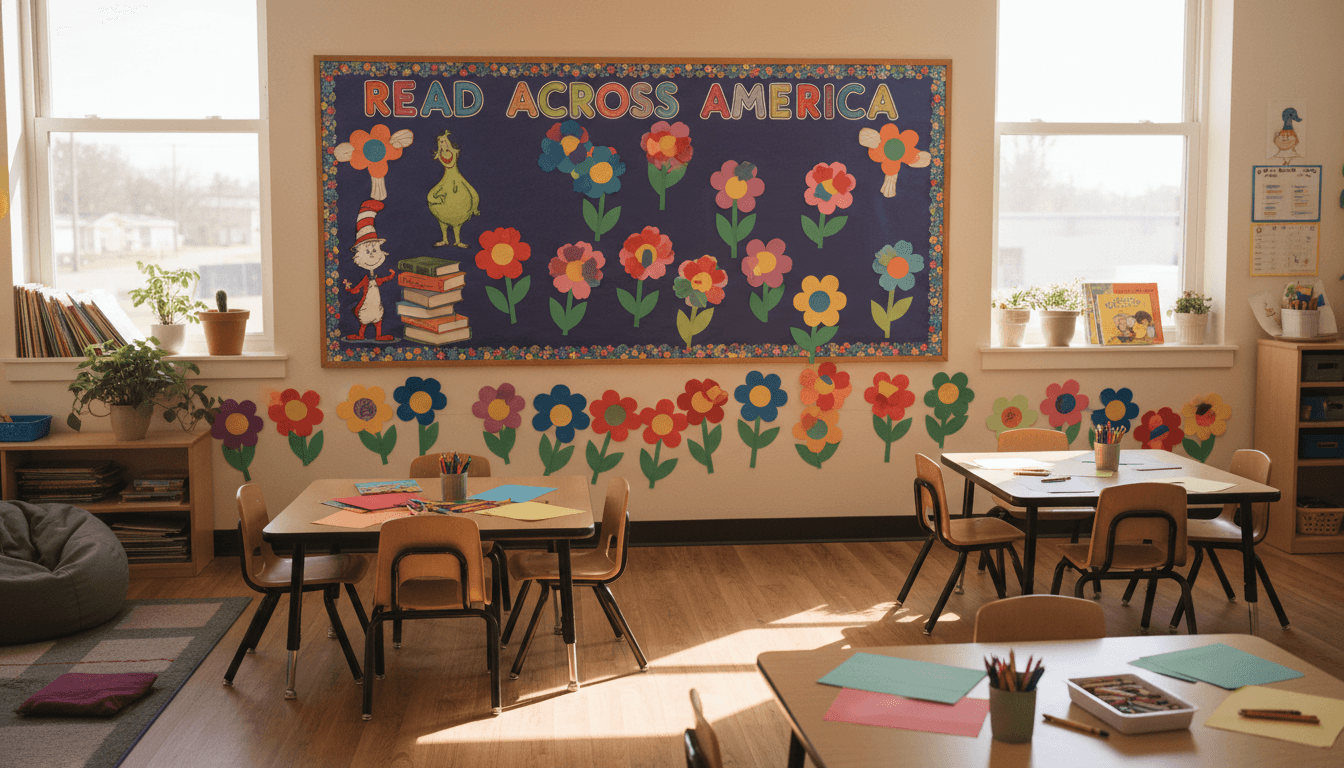
Read Across America, celebrated on March 2 in honor of Dr. Seuss's birthday, is one of the biggest literacy celebrations in the Kindergarten year. Your newsletter should describe exactly what your class is doing: which books you are reading aloud, whether students dress up as book characters, if there is a school-wide reading challenge, and how families can participate from home.
If you are sending home a reading log for the week, include it in the newsletter or note where to find it. Kindergarten families respond strongly to Read Across America because it is joyful and concrete. Make the most of that energy.
Give spring break dates and a simple routine tip
Spring break is one of the most disruptive events on the Kindergarten calendar. Some students come back completely reset; others regress on skills that took weeks to build. Your newsletter should give the exact dates school is out, the return date, and one concrete suggestion for maintaining some structure during the break.
Something simple works: reading together for 15 minutes each day, reviewing sight word flashcards a few times a week, or visiting the library once during the break. Parents who have one low-effort thing to do are more likely to do it than parents who feel overwhelmed by a list.
Prepare parents for the spring assessment window
Many districts run a Kindergarten spring assessment in March or April. The newsletter should name this is coming, describe what it looks like at the Kindergarten level (one-on-one with the teacher, looking at letter recognition, phonics, sight words, and number concepts), and reassure parents that the best preparation is the daily routine they already have.
Avoid using the word "test" if possible, or frame it clearly: "This is a check-in, not a pass or fail." Kindergarten parents, especially parents of firstborn children, can react with outsized anxiety to anything that sounds like a formal assessment. Your tone in the newsletter sets the temperature at home.
Update parents on reading milestones
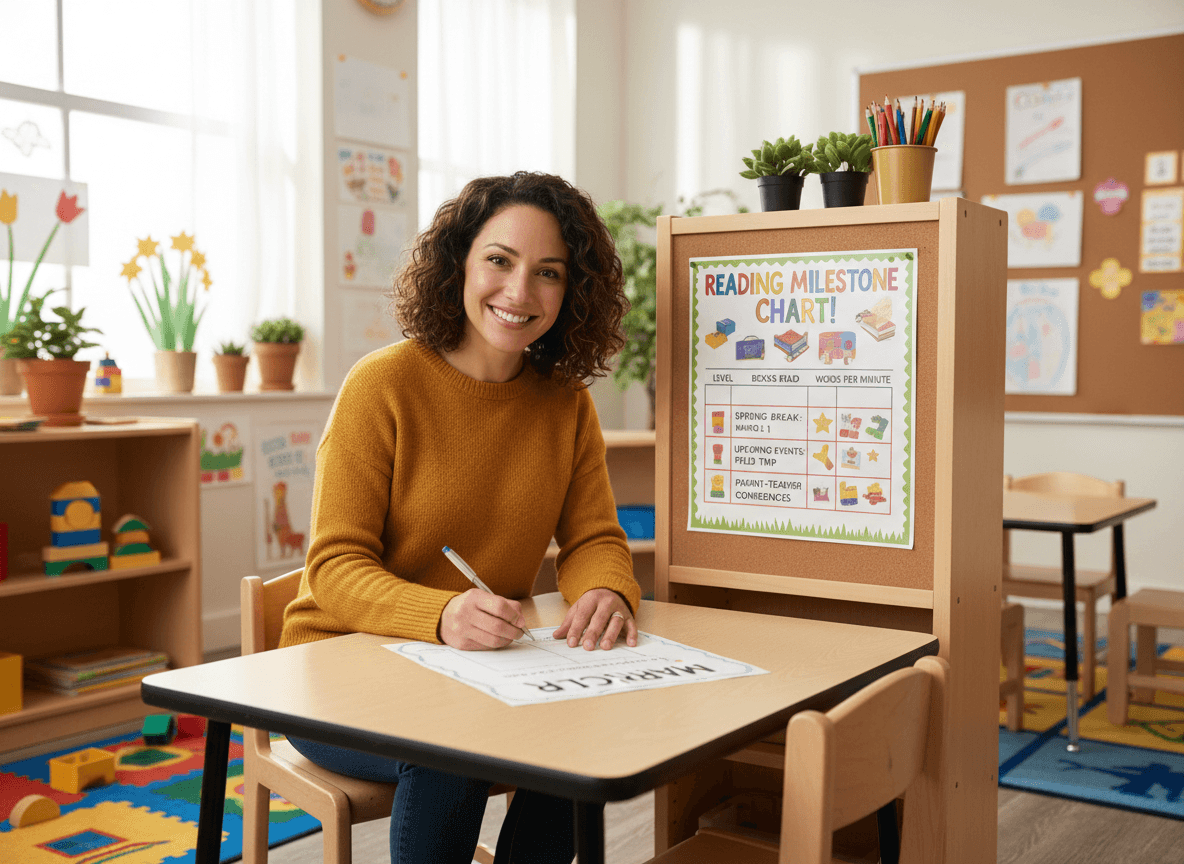
March is a good time to tell parents where most Kindergarteners should be with reading by the end of the year and where the class currently stands. How many sight words are students expected to know by June? What phonics patterns should be solid? Are students beginning to read simple decodable books independently? A brief milestone summary gives parents context for the work they do at home and helps them understand what "on track" actually looks like.
Share the math skills building this month
March Kindergarten math often covers measurement concepts, comparing lengths and weights, and early addition and subtraction through ten. If your class is working on counting to 100 by ones and tens, name that milestone. Parents who know what their child is working on in math are more likely to turn everyday moments, like counting steps or measuring with a ruler, into practice time.
Note what spring looks like in the classroom
Kindergarteners respond to the change of season with energy and curiosity. Share what spring-themed science or art is happening: planting seeds, observing weather changes, studying insects or life cycles. A brief description of upcoming projects gives parents things to talk about with their child and builds anticipation for the end of the year rather than the restlessness that can come with longer days and warmer weather.
End with something parents can do this week
Close with one action: pull out the sight word list and review with your child for five minutes tonight, visit the school library during Read Across America week, or note the spring break dates on the family calendar. A single concrete ask gives parents something to do immediately and keeps them connected to what is happening in school.
Daystage makes it easy to send a March Kindergarten newsletter that covers Read Across America, spring break logistics, and the assessment preview in one clean communication. Build the template once and the rest of the year writes itself.
Get one newsletter idea every week.
Free. For teachers. No spam.
Frequently asked questions
What should a Kindergarten March newsletter include that earlier months do not?
March is the first month where the end of the year starts to feel real for Kindergarten teachers. The newsletter should acknowledge that the final quarter is approaching and give parents a preview of what milestones are still ahead: sight word goals, phonics expectations, writing development, and math concepts. Parents who understand what the end of Kindergarten looks like can support the push with intentionality.
How should a Kindergarten teacher handle Read Across America in the newsletter?
Read Across America falls on March 2, Dr. Seuss's birthday, and is one of the most celebrated literacy events in Kindergarten classrooms. Your newsletter should describe what activities you are doing: read-alouds, dress-up days, book character parades, or reading challenges. If you are sending home a reading log or asking parents to read with their child each night for a week, include all the details. This is a great moment to reinforce the reading habit.
Should a Kindergarten March newsletter address spring testing?
Yes, briefly. Many Kindergarteners participate in a spring assessment window in March or April. The newsletter should tell parents this is coming, explain what the assessment looks like at the Kindergarten level, and reassure them that the best preparation is the daily routine already in place: reading together, reviewing sight words, and getting consistent sleep. Avoid using the word 'test' in a way that creates anxiety.
What spring break communication belongs in the March Kindergarten newsletter?
Spring break is one of the biggest schedule disruptions of the year for Kindergarteners. The newsletter should give the exact dates school is out, come back to the idea of keeping some structure during the break (regular bedtime, 15 minutes of reading), and note the re-entry date clearly. Some families travel internationally or for extended periods, so any make-up work or attendance policy is worth including.
What newsletter tool works best for Kindergarten teachers?
Daystage is built for teachers who want to send a clear, friendly newsletter without spending a lot of time on it. For a March Kindergarten newsletter with a Read Across America update, spring break dates, and testing preview, the editor handles all of it in one place. Parents get a consistent, readable newsletter in their inbox every week, and you spend about fifteen minutes writing instead of an hour formatting.

Adi Ackerman
Author
Adi Ackerman is a former classroom teacher and curriculum writer with 8 years in K-8 schools. She writes about school communication, parent engagement, and what actually works in real classrooms.
More for Classroom Teachers
Ready to send your first newsletter?
3 newsletters free. No credit card. First one ready in under 5 minutes.
Get started free