

March Growth Mindset Newsletter for School Families
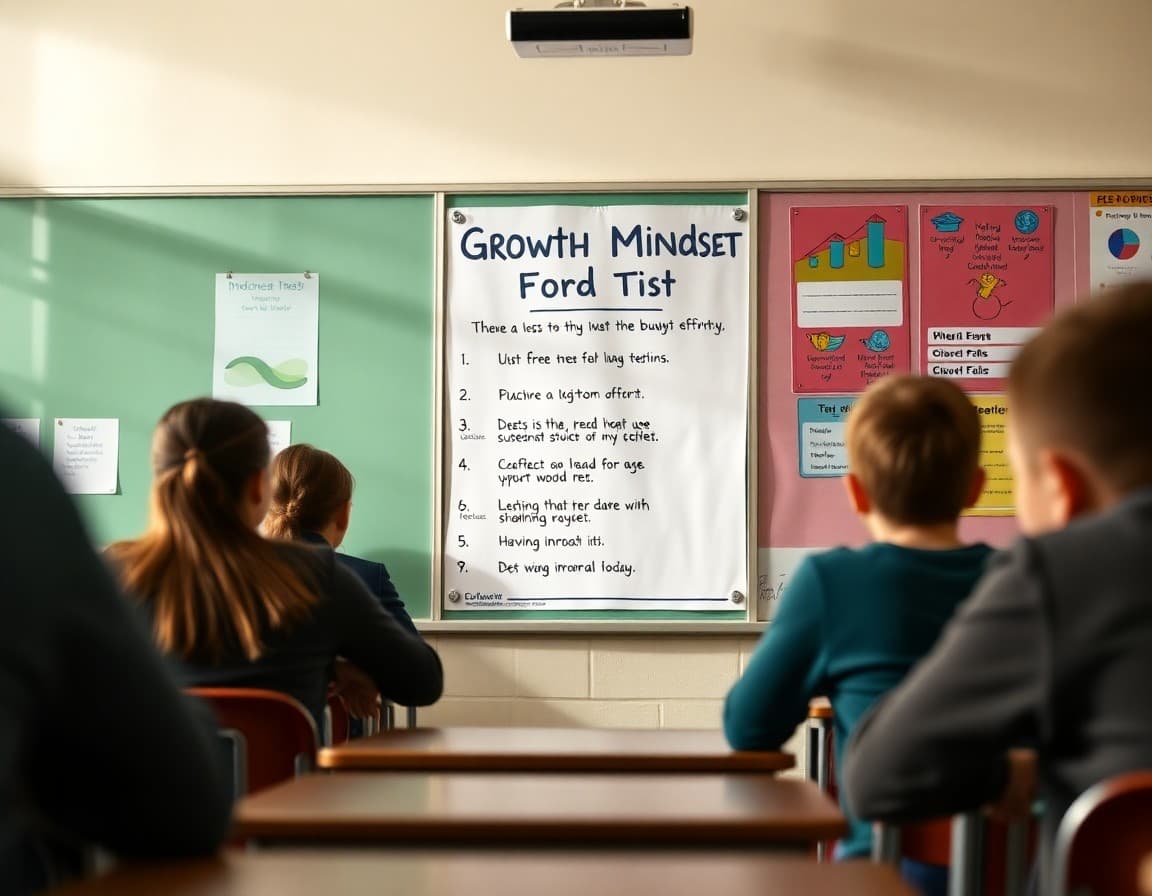
March is testing season, and how families handle it at home matters significantly. The research on test anxiety is clear: performance-focused environments raise anxiety and lower results. Effort-focused environments do the opposite. A March growth mindset newsletter gives families the language and the specific behaviors that create the conditions for students to show what they know, rather than freeze under pressure they have absorbed from the adults around them.
Growth Mindset and Test Performance
Make the connection direct. Students who believe their preparation matters, and that their abilities have grown since the last time they took a test like this, perform better than students who believe the test will simply reveal a fixed level of ability. This is not optimism. It is a documented difference in how students approach hard test questions: with strategy and persistence rather than immediate resignation. Your newsletter can state this plainly.
What Families Should Do the Week Before Testing
Be specific. "The week before testing: maintain consistent bedtime, serve a real breakfast on test mornings, keep afternoons calm and avoid extra activities, and avoid mentioning how important the test is in ways that create pressure. The most useful conversation is: 'You have been working hard all year. Go in and show what you know.'" That list gives families concrete actions that actually help.
What NOT to Do
Be just as specific about what to avoid. "Skip the late-night review sessions. Do not tell your child their future depends on this test. Do not say 'just try your best' in a way that implies they might not. Do not compare them to siblings or classmates. Do not check their score obsessively after the test is over." Direct guidance on what to avoid is sometimes more useful than guidance on what to do.
Growth Mindset Self-Talk for Testing
Share a self-talk script families can practice at home with their child before testing week:
"When I see a hard question, I can try: 'What do I already know about this? What strategy can I use? If I am stuck, I can skip and come back.' That kind of inner dialogue replaces 'I do not know this' with 'I will work through this systematically.'" Practice this script at the dinner table the week before testing. Three repetitions is enough to make it accessible during the actual test.
The Real Measure of This Year
Tell families where the real growth shows up. "Standardized tests measure specific skills on a specific day. They do not measure curiosity, persistence, intellectual risk-taking, or the ability to learn from mistakes. Those are the qualities we have been building all year. They will show up in how your child approaches challenge for the rest of their education, long after this year's test score is forgotten." That perspective is honest and puts the test in its proper place.
After the Test
Prepare families for the post-testing conversation. "When your child comes out of the test, ask: 'How did you approach it?' not 'How do you think you did?' The first question is growth-focused and tells you about their effort and strategy. The second question is outcome-focused and starts a conversation based on speculation before results are even available." That specific question swap is small and powerful.
Get one newsletter idea every week.
Free. For teachers. No spam.
Frequently asked questions
How does growth mindset apply specifically to standardized testing?
Growth mindset during testing is about the relationship between effort and performance. Students who believe their preparation matters and that they can show what they know perform better than students who believe the test will simply reveal a fixed level of ability. The newsletter can reinforce this framing before testing begins.
How do I help families support students without adding test pressure?
Be explicit: 'The most useful thing you can do before testing is maintain strong sleep and morning routines. Do not talk about the stakes of the test in ways that create anxiety. Do not schedule extra tutoring or late nights. Trust that the year's work has prepared your child.' That direct guidance reduces well-intentioned but counterproductive family behavior.
What should students tell themselves during a hard test question?
Growth mindset self-talk for testing: 'I can work through this. What do I already know about this? What strategy can I try? If I cannot get this one, I can move on and come back.' That kind of strategy-focused inner dialogue is teachable and your newsletter can share it with families so they can practice it at home before testing week.
Should I address test anxiety in a growth mindset newsletter?
Yes. Acknowledge it directly and separate it from performance: 'Some students experience significant anxiety around testing that is not related to their preparation or ability. If your child has test anxiety, please reach out. That is different from simply feeling nervous, and we have strategies to help.' That sentence normalizes some anxiety while flagging genuine test anxiety as something to address.
Can Daystage send a testing-week growth mindset reminder automatically?
Yes. You can schedule a brief growth mindset reminder to go out the Sunday before testing week begins. That message reaches families at the optimal moment, when they are thinking about school but still have the evening to have a calm, supportive conversation with their child. Scheduling it in advance means one less thing to think about during your busiest testing preparation week.

Adi Ackerman
Author
Adi Ackerman is a former classroom teacher and curriculum writer with 8 years in K-8 schools. She writes about school communication, parent engagement, and what actually works in real classrooms.
More for Classroom Teachers
Ready to send your first newsletter?
3 newsletters free. No credit card. First one ready in under 5 minutes.
Get started free