
Kindergarten Science Fair Newsletter: What to Tell Parents
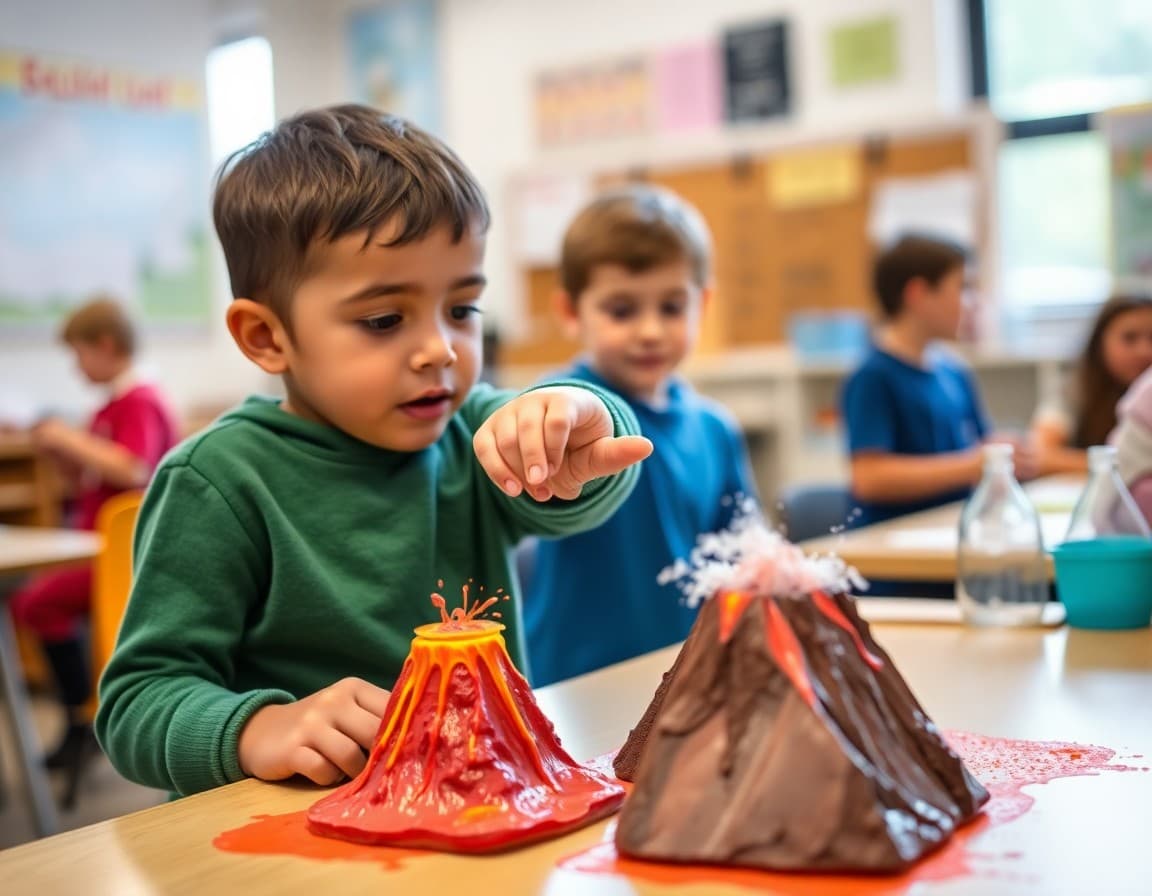
Kindergarten science fairs are genuinely fun when parents know what to expect. The newsletter you send home before the event does most of the work: it sets the right expectations, gives families a clear timeline, and removes the guesswork about how much help is actually appropriate.
Start With What the Science Fair Actually Is
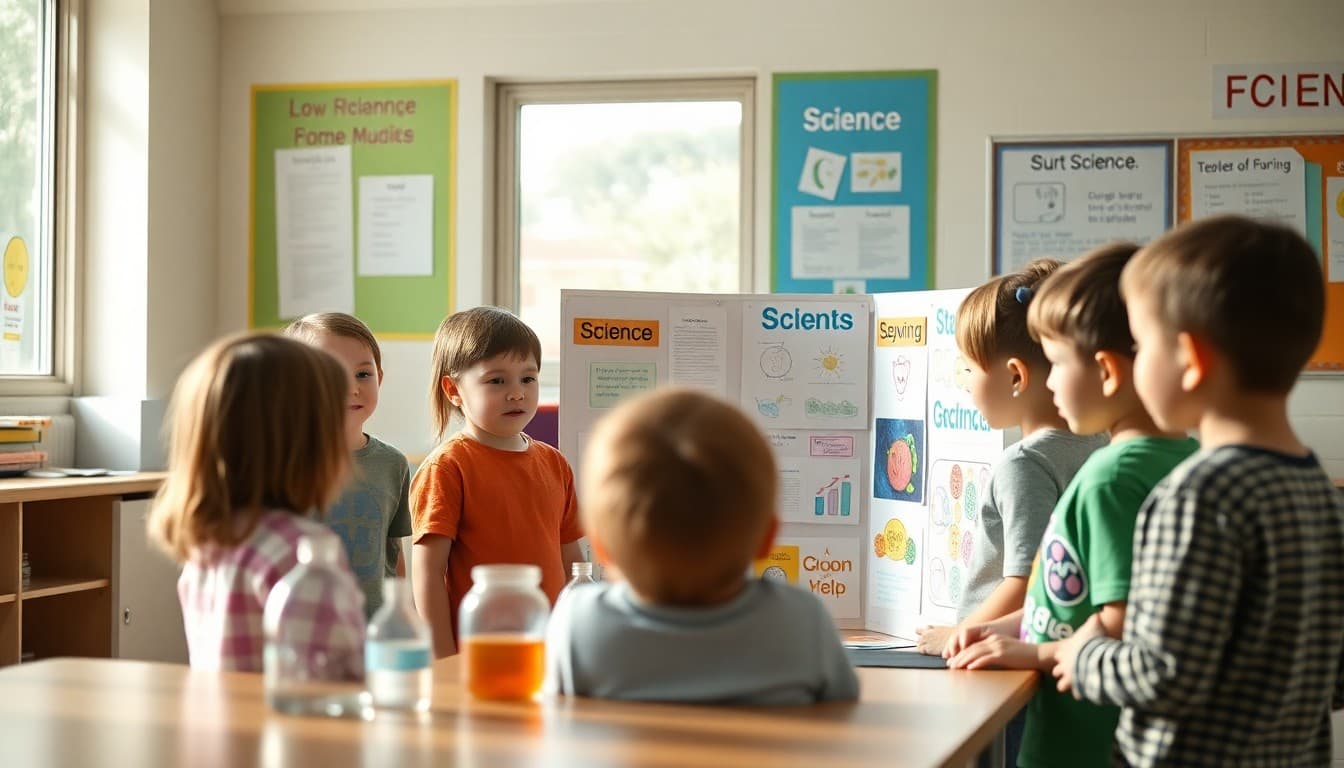
Not every parent pictures the same thing when they hear "science fair." Some expect a full tri-fold board with a bibliography. Others assume it\'s a class activity that happens entirely at school. Your first paragraph should spell out the reality: kindergartners will choose a simple question, test it at home over a few days, and display their findings on fair day. That\'s it. No typed report, no formal hypothesis sheet.
If you\'re using a specific format, describe it. Something like: "Each student will bring in a display showing their question, what they tried, and what they found out. Photos, drawings, and a short sentence or two are perfect."
Be Direct About the Parent Role
This is the section most teachers skip, and it causes the most stress. Parents of kindergartners need permission to be involved. Some will underdo it (hand their kid a blank board and say "go for it") and some will overdo it (submit what is clearly a parent project). Your newsletter can calibrate both ends.
A useful framing: "Your child\'s job is to ask the question and tell me what they noticed. Your job is to help them test it, write down the results, and set up the display. Both jobs matter." That one paragraph usually prevents the extremes.
Give Them Project Ideas They Can Actually Use
Even parents who are excited about the science fair blank on project ideas. Include 4-5 concrete options in your newsletter. Keep each description to two sentences: the question and the method.
Examples that work well at the kindergarten level: Does sugar dissolve faster in hot or cold water? Which type of paper towel soaks up the most water? Do seeds grow faster in a sunny window or a dark corner? What melts ice faster: salt, sugar, or nothing? These are testable at home with household items and produce visible results a 5-year-old can describe.
A Sample Timeline Section
Giving families a week-by-week breakdown removes the "we ran out of time" excuse and makes the project feel manageable. Here\'s a template excerpt you can drop into your newsletter:
Week 1 (May 15-19): Pick your question together. Gather any supplies you need. No fancy materials required.
Week 2 (May 22-26): Run your test 2-3 times and take photos or draw pictures of what you see.
Week 3 (May 29-31): Set up your display board. Your child should be able to point to each part and tell me about it.
Fair Day (June 1): Bring your display to school by 8:30 AM. Families are welcome to visit from 2-3 PM.
Cover Fair Day Logistics Clearly
Parents need to know: when to drop off the display, whether they can attend, what the schedule looks like, and where to go. If siblings are welcome, say so. If parking is limited, mention that too. A 3-line logistics block at the bottom of your newsletter handles all of this.
Include a contact method for questions. "Reply to this email" or a direct email address is better than "see me at school," because parents read newsletters at 10 PM.
What to Display and What Not to Display
Give families a short list of what works well for a kindergarten display: photos of the experiment in progress, drawings by the child, a sentence or two about what they found, and any physical materials from the experiment if safe and easy to transport. What to skip: typed formal reports, PowerPoint printouts, and elaborate props that overshadow the child\'s work.
If you\'re providing display boards, say so. If families need to bring their own, give the dimensions so nobody shows up with a poster that doesn\'t fit the table.
Grading and What You\'re Looking For
Families will wonder if this is graded and how. Be explicit. At kindergarten, most teachers assess participation and the ability to talk about what they did, not the quality of the result. Tell parents: "I\'ll ask each student to tell me their question and one thing they noticed. That\'s the whole assessment." This takes the pressure off and puts it back on curiosity, where it belongs.
Send a Follow-Up After the Fair
A short "here\'s how it went" newsletter after the fair closes the loop for families who couldn\'t attend and celebrates the kids who did the work. Three sentences and a few photos is enough. Parents appreciate knowing the outcome and kids love seeing their project mentioned in the class newsletter.
Get one newsletter idea every week.
Free. For teachers. No spam.
Frequently asked questions
What should a kindergarten science fair newsletter include?
It should cover the project topic or theme, the date and location of the fair, what parents need to help with at home, any materials the school is providing, and how student work will be displayed. Keep the explanation of the project simple enough that a parent can relay it to a 5-year-old without confusion.
How much help should parents give kindergartners on science fair projects?
At the kindergarten level, parent involvement is expected and necessary. The goal is for the child to observe, ask a question, and share what they noticed, not to execute an independent experiment. Be explicit in your newsletter: parents should guide the process, do any writing, and help set up the display. The child's job is curiosity and presentation.
When should I send the science fair newsletter home?
Send an initial newsletter at least three weeks before the fair. Follow up with a reminder one week out covering logistics like display setup time, parking, and the schedule. A third quick note the day before is useful for families who need a nudge. Three touchpoints is usually the sweet spot for an event this size.
What are easy science fair project ideas to suggest in the newsletter?
Good kindergarten projects include: which surface a ball rolls fastest on, does a plant grow better in sunlight or shade, what material keeps an ice cube cold longest, and which paper towel absorbs the most water. These involve a clear question, a simple test, and visible results a 5-year-old can describe. Include 3-4 ideas in your newsletter so parents who feel stuck have a starting point.
Is there a tool that makes sending science fair newsletters easier?
Daystage lets you build a newsletter with a timeline, photos, and an RSVP block all in one place. For a science fair, you can embed the schedule, link to a supply list, and collect family attendance confirmations without sending a separate form. It takes about 10 minutes to put together and looks polished when it arrives in the family's inbox.

Adi Ackerman
Author
Adi Ackerman is a former classroom teacher and curriculum writer with 8 years in K-8 schools. She writes about school communication, parent engagement, and what actually works in real classrooms.
More for Classroom Teachers
Ready to send your first newsletter?
3 newsletters free. No credit card. First one ready in under 5 minutes.
Get started free