
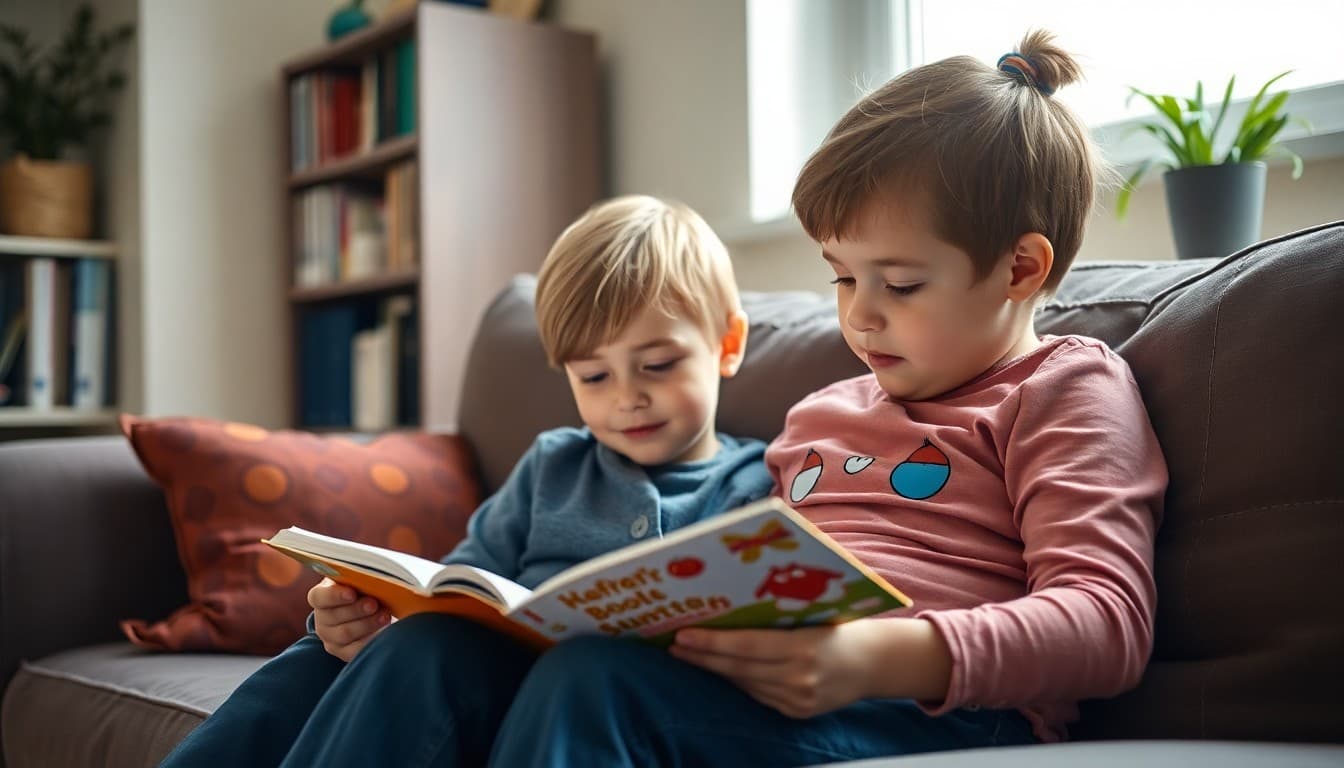
Kindergarten Reading Log Newsletter: Set Up Home Reading Right
A reading log newsletter is one of the highest-leverage things you can send home in kindergarten. Done well, it builds a daily reading habit that families actually maintain. Done poorly, it becomes a paper that parents sign on Friday morning without looking at the books at all. The difference comes down to how clearly you explain the system.
Why Reading Logs Work and When They Don\'t
Reading logs work when families understand the goal: not to fill in a form, but to read every day. When the log becomes the goal, parents focus on checking the box rather than the reading. Your newsletter should frame the log as a tool, not the end product.
A simple framing: "The log helps me see patterns and gives you a record of what your child has read. The reading is the point. The log is just how we track it."
Set a Clear Daily Goal
Vague instructions produce vague compliance. "Read every night" is harder to follow than "read together for 10 minutes after dinner." The more specific your newsletter is about when, how long, and who reads, the more families will actually do it.
Recommended language: "Aim for 10-15 minutes per night, 5 nights a week. Parent read-aloud counts. Your child reading to you counts. Looking at pictures and talking about them counts for young readers who are not yet decoding."
How to Fill In the Log: Step by Step
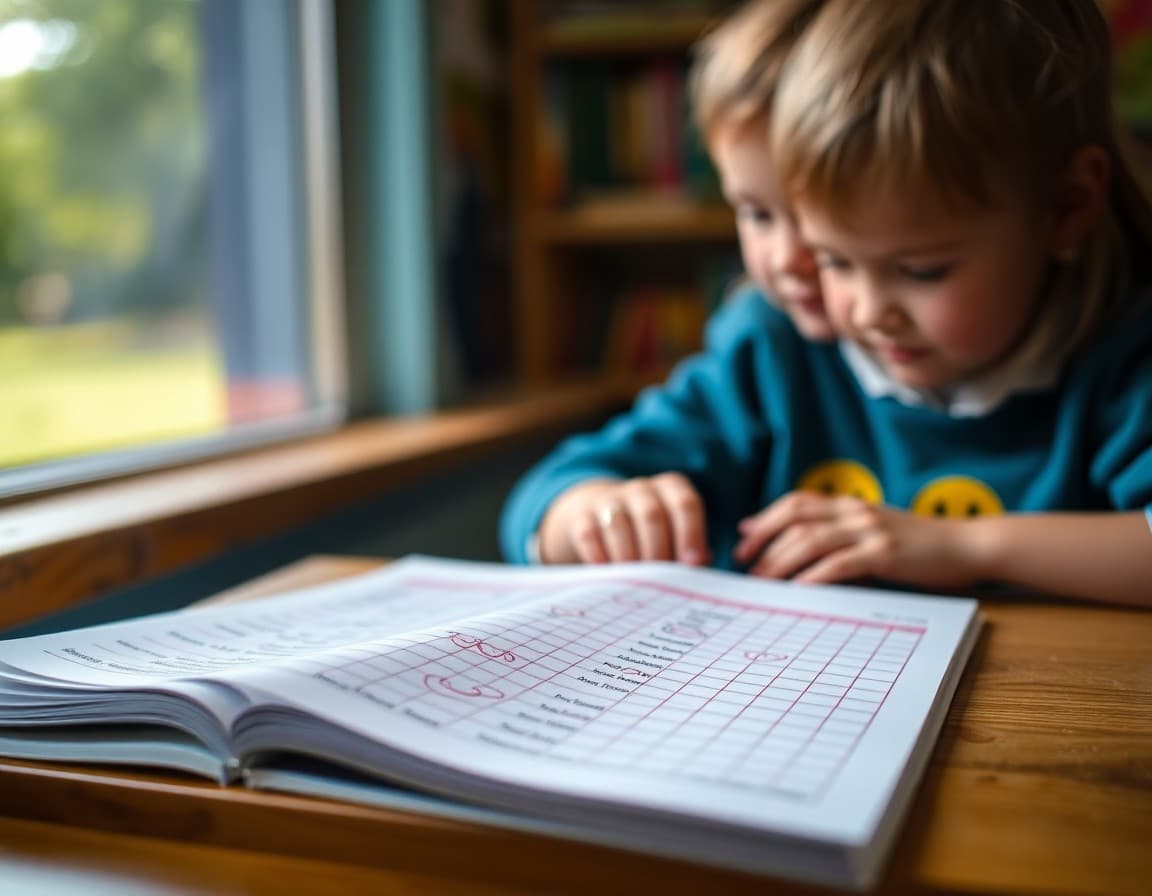
Walk parents through the log format in your newsletter. If each row has columns, name them. If there are icons or abbreviations, decode them. A photo of a filled-in example row is worth more than a paragraph of explanation.
For a basic kindergarten reading log, the columns typically include: date, book title, minutes read, who read (child alone, child to adult, adult to child), and an adult signature. Optionally, a smiley/frown face for "how did this go" gives kids agency in the log.
A Sample Log Entry to Include in the Newsletter
Showing a completed example row directly in the newsletter removes confusion. Here is the kind of example to include:
Date: May 19 | Book: Frog and Toad Are Friends | Minutes: 12 | Who read: Adult to child | Adult initials: MR | Rating: :)
That single example answers more questions than three paragraphs of written instructions.
What Counts as a Book
Parents will ask. Answer it preemptively in the newsletter. Picture books count. Board books count for very early readers. Rereading the same book counts. Digital books on a reading app count if your school policy allows it. Chapter books the parent reads aloud count. What typically does not count: audiobooks without the physical book present, screens without text, or skimming through a book without engaging with the words.
Handling Gaps Without Shaming Families
Some families will miss nights. Some will miss whole weeks. Your newsletter should acknowledge this without making parents feel like they failed. A line like "Life happens, and some weeks reading happens less. If you missed a few days, just pick up where you left off. There is no penalty for gaps" keeps families engaged rather than giving up because they feel behind.
What You Do With the Log
Tell parents what you do with the reading log when it comes back. Do you check it weekly? Use it for parent conferences? Display reading milestones? Families are more consistent when they believe the log actually matters and isn\'t just disappearing into a drawer.
Celebrating Reading Milestones
Include a note about how you recognize reading progress. Even something small like a "star reader" sticker at 50 nights or a mention in the class newsletter gives kids a reason to care about the log. Many kindergartners will remind their parents to read because they want that sticker, which is exactly the outcome you want.
Get one newsletter idea every week.
Free. For teachers. No spam.
Frequently asked questions
How many minutes should a kindergartner read at home each day?
Most kindergarten teachers recommend 10-15 minutes of daily reading, either independent reading or parent read-aloud. Research consistently shows that daily reading practice, even at short intervals, builds fluency faster than longer infrequent sessions. Be specific in your newsletter: 10 minutes every night beats 60 minutes once a week.
Does parent read-aloud count on a kindergarten reading log?
Yes, and it should. At kindergarten level, being read to is as valuable as attempting to read independently. Listening to fluent reading builds vocabulary, comprehension, and print awareness. Make this explicit in your newsletter so parents who have non-readers don't feel like they're cheating by reading aloud to their child.
How should parents fill in a reading log for a child who can't write yet?
Parents record the information for their child. The log might include the book title, the date, how many minutes they read, and a simple smiley face or rating from the child. Some teachers have the child draw a picture of the book instead of writing the title. The key is making the log child-friendly enough that the child feels ownership even if a parent is doing the writing.
What do I do about families who aren't returning the reading log?
Start with a gentle reminder in your weekly newsletter rather than singling out families. If non-return is widespread, simplify the log. Sometimes a 5-column paper (date, book, minutes, adult initials, smiley face) works better than a 10-column form. For persistent gaps, a private note or quick phone call is more effective than public nudges.
Does Daystage have a way to share reading log reminders with families?
Daystage lets you include the reading log form as part of your weekly newsletter, with a reminder section, a photo of a filled-in example, and a link to download the log template if you're going digital. Families get a consistent reminder every week without you having to send separate paper notices, and you can track who opened the newsletter.

Adi Ackerman
Author
Adi Ackerman is a former classroom teacher and curriculum writer with 8 years in K-8 schools. She writes about school communication, parent engagement, and what actually works in real classrooms.
More for Classroom Teachers
Kindergarten Classroom Newsletter: What to Send, When, and How
Classroom Teachers · 6 min read
Reading Updates in Classroom Newsletters: What Parents Want to Know
Classroom Teachers · 5 min read
First Grade Reading Level Newsletter: Talking to Parents About Leveled Reading
Classroom Teachers · 7 min read
Ready to send your first newsletter?
3 newsletters free. No credit card. First one ready in under 5 minutes.
Get started free