

Kindergarten Progress Report Newsletter: Prepare Families Before Reports Go Home
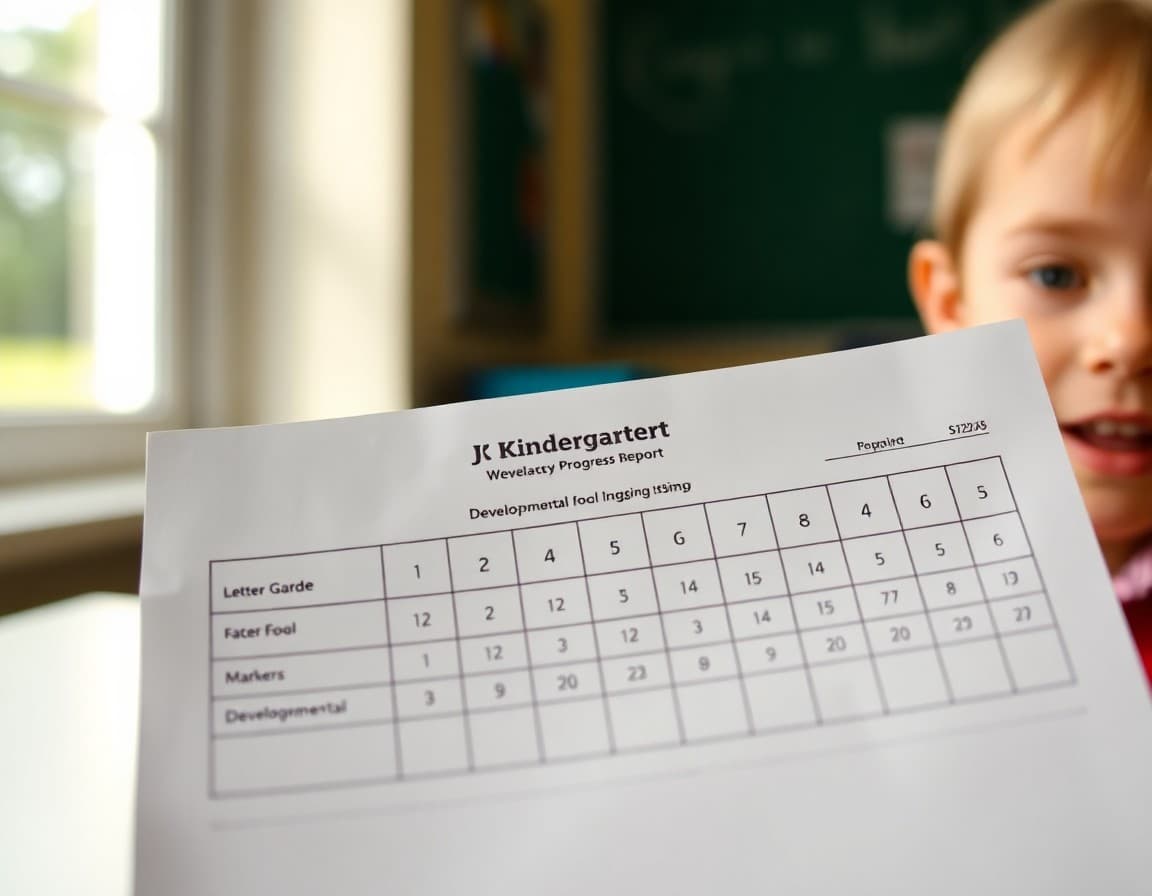
Progress reports generate more parent confusion than almost any other school communication. The newsletter you send before reports go home is your opportunity to translate the grading scale, set realistic expectations, and reduce the flood of anxious emails that follow. Sending it 3-4 days before reports arrive is the single highest-leverage thing you can do around report card time.
Explain Your Grading Scale Clearly
Most kindergarten progress reports use a developmental scale, not letter grades. Common formats include: 4/3/2/1, E/M/D/N (Exceeds/Meets/Developing/Not Yet), or descriptive labels. Whatever your school uses, define it in the newsletter with plain language examples.
Example: "A score of 3 or 'Meeting Expectations' means your child is performing at exactly the right level for this point in kindergarten. It is the target score. A score of 2 or 'Developing' means they are making progress toward the skill but have not fully mastered it yet. This is also normal and expected for many skills in the first quarter."
The Time-of-Year Context Matters
A progress report from October looks completely different from one in March. Many families do not realize that grade-level standards are measured against end-of-year expectations. In October, most students are still working toward most standards. That is not a warning sign; it is the design of the system.
Include one sentence that contextualizes the current report: "This is our first quarter report. Students are assessed against where they should be by the end of kindergarten. Most students will show significant growth between now and May."
What to Expect in Each Area
Walk families through the major categories they will see. For each one, describe what the skill is and what a typical first-quarter score looks like.
Literacy: Students are working on letter recognition, letter sounds, and early phonemic awareness. Most students will be in the developing range on several literacy standards in October.
Math: Counting to 20, recognizing numbers, and early addition concepts. Most students will be developing in computation but meeting expectations in counting.
Social-emotional: Following routines, sharing, and working independently. These areas develop throughout the year.
How to Have the Conversation With Your Child
Most parents will show their kindergartner the progress report or at least talk about it. Give them guidance on how to frame it. Avoid deficit framing: "You need to work harder on letters." Try instead: "Your teacher says you are getting better at letters every week. What letters do you like the best?"
When to Request a Conference
Tell families explicitly when a conference is warranted and when a quick email response from you is sufficient. A general rule: if the parent has a specific question about one mark, email first. If there are multiple areas of concern or the parent wants a detailed conversation, request a conference. Give them both options and a timeline for your response.
What Happens After the Report
Close the newsletter with a forward-looking statement. What comes after this report? When will families receive the next one? What support is available between now and then? Ending on a concrete next step gives parents something to do besides worry.
Get one newsletter idea every week.
Free. For teachers. No spam.
Frequently asked questions
What does a kindergarten progress report measure?
Kindergarten progress reports assess developmental skills across literacy, math, social-emotional learning, and physical development. Common markers include: letter recognition, phonemic awareness, number recognition to 20, counting to 100, ability to work independently, following directions, and social interaction with peers. Unlike elementary grades, kindergarten reports are typically standards-based rather than letter-grade based.
How should parents read a kindergarten progress report?
Focus on trends rather than individual scores. If a child is marked 'developing' in several literacy areas in October, that is normal. The question is whether they are progressing. Parents should also look at the teacher comments section, which usually contains more specific information than the category ratings. A 'meeting expectations' score looks different depending on the month of the school year.
What does 'meeting expectations' mean in kindergarten?
'Meeting expectations' means the student is performing at grade level for that point in the school year. It does not mean 'doing fine, nothing to worry about' or 'barely passing.' A child who receives all 'meeting expectations' marks is on track for first grade. This distinction matters because many parents assume a mid-range mark means something is wrong.
What should parents do after receiving a kindergarten progress report?
Read it together with their child in a low-pressure way, focus on areas of growth rather than any scores below expectations, and ask the teacher for clarification on anything confusing. If there are concerning marks, request a conference rather than trying to interpret it alone. Do not compare scores with other families or use the report as motivation through shame.
Can I send a progress report preview newsletter through Daystage?
Yes. Sending a pre-report newsletter through Daystage a few days before reports go home is one of the most effective ways to reduce confused parent emails and conference requests driven by anxiety. You can explain the grading scale, preview what to expect, and link to your conference sign-up all in one newsletter that takes about 15 minutes to write.

Adi Ackerman
Author
Adi Ackerman is a former classroom teacher and curriculum writer with 8 years in K-8 schools. She writes about school communication, parent engagement, and what actually works in real classrooms.
More for Classroom Teachers
Ready to send your first newsletter?
3 newsletters free. No credit card. First one ready in under 5 minutes.
Get started free