
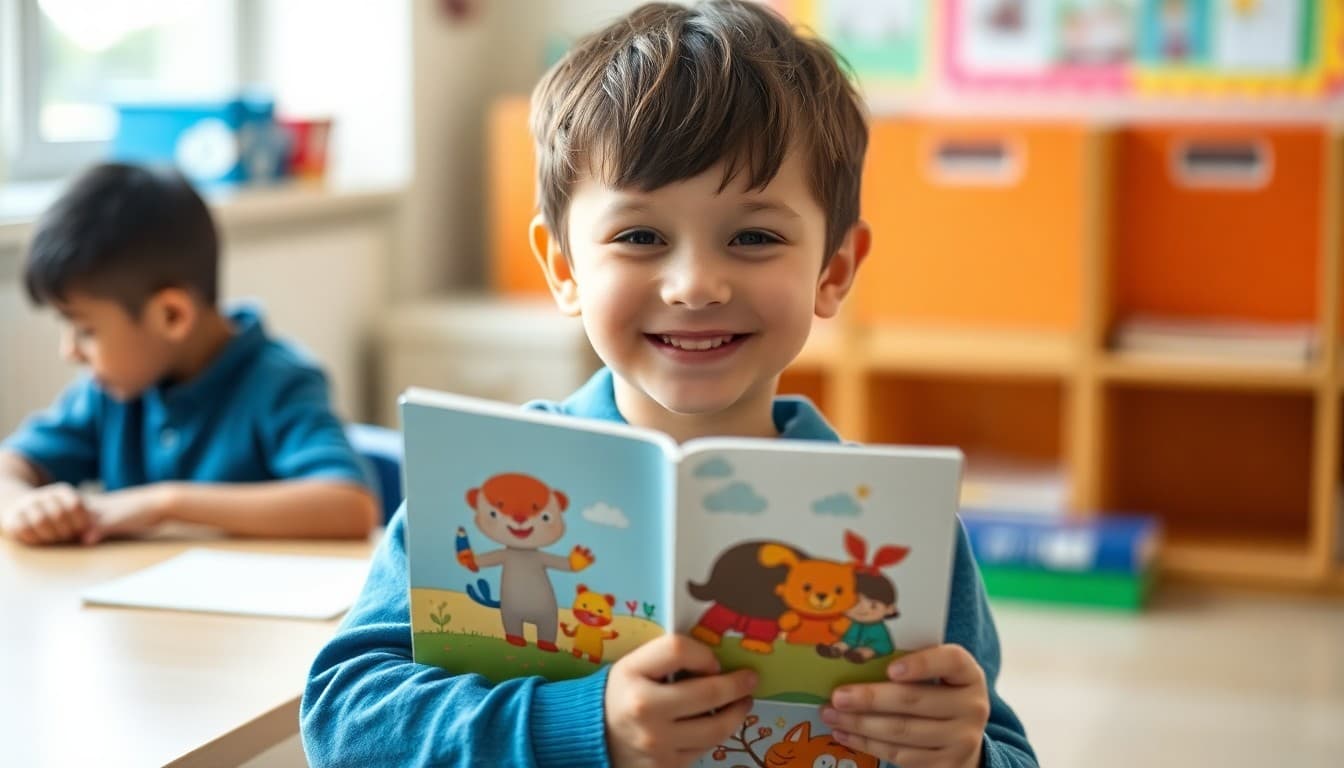
Kindergarten Book Report Newsletter: Guide for Parents
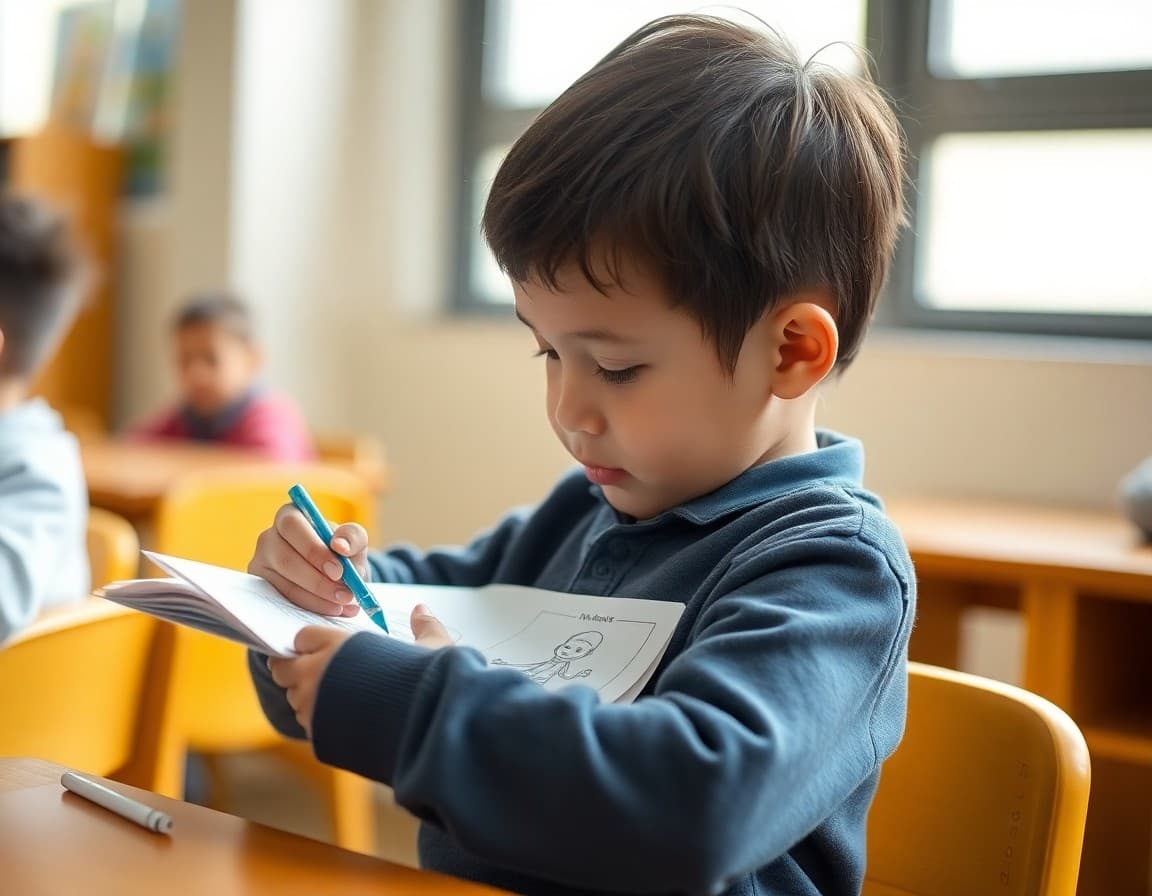
The book report newsletter you send home for kindergarten does two jobs: it tells families what their child needs to do, and it tells them how much help is okay. Get both right and the project runs smoothly. Miss either one and you\'ll spend the following week fielding questions and dealing with wildly inconsistent submissions.
Define What "Book Report" Means at Age 5
The phrase "book report" triggers different mental images depending on a parent\'s school experience. Some families will expect a written summary with paragraphs. Others will assume it\'s optional. Your newsletter needs to define the assignment in concrete terms.
A clear description sounds like this: "Students will respond to one picture book by drawing their favorite scene and answering three questions with your help. The response should take about 20 minutes total." That\'s it. One sentence on the format, one sentence on the time commitment.
Explain the Format in Detail
If you\'re using a template, describe it or attach it to the newsletter. If families need to create their own, give them the exact prompts. Three questions work well for kindergarten: What was the book about? What was your favorite part? Would you recommend this book and why?
For the drawing section, specify whether it should fill the entire box or just be a sketch. Parents are trying to help and they want to do it right. Concrete instructions reduce the "is this okay?" messages significantly.
Choosing the Right Book
Tell parents whether the book needs to come from your classroom library, the school library, or if any picture book from home counts. If you have restrictions (no books the child has read more than 5 times, no board books, must have a character who solves a problem), say so explicitly.
A short book list in the newsletter helps families who feel stuck. Suggest 6-8 titles across different reading levels. Examples: "The Very Hungry Caterpillar" for emerging readers, "Elephant and Piggie" series for developing readers, "Dragons Love Tacos" for any level.
A Template Families Can Use at Home
Give parents the exact prompts in the newsletter itself so they don\'t need to wait for a paper template. Here is a version you can copy directly:
Book title: _______________
Draw your favorite part: (blank box)
My favorite part was: (child dictates, parent writes)
The main character was: _______________
I would / would not recommend this book because: _______________
This format takes most kindergartners about 15 minutes to complete with a parent helping.
Setting the Parent Role Correctly
Be specific about what parents should do. "You can read the book aloud to your child, write down their exact answers, and help them understand the questions. Do not write the answers in your own words. Do not complete the drawing for them." Two sentences like that prevent 80% of the submissions that look like adult work.
Due Dates and Submission Instructions
Include the exact due date and how to submit. If physical forms go into the Friday folder, say that. If families can email a photo of the completed work, provide the email address. A deadline of Thursday (not Friday) gives you a day to follow up with families who forgot.
What Happens After They Turn It In
Parents like knowing what you\'ll do with the work. Even a single line helps: "I\'ll share these in our class reading corner, and each student will tell the class one thing about their book during our Friday share circle." That context makes the assignment feel worthwhile, not just like busywork.
Grading Expectations
If the book report is graded, say what you\'re assessing. At kindergarten level, most teachers look at participation, whether the child can retell the main idea, and effort on the drawing. If it\'s completion-based, say so. "As long as the form is filled out and your child can tell me one thing about the book, they\'ve done what I need" is a perfectly valid grading statement for this age group.
Get one newsletter idea every week.
Free. For teachers. No spam.
Frequently asked questions
What does a kindergarten book report actually look like?
At kindergarten level, a book report is usually a simple response: the child draws a picture of their favorite part, dictates or writes 1-2 sentences about the story, and tells you who their favorite character was. It is not a written summary. The point is comprehension and engagement, not composition. Make this clear in your newsletter so parents set the right expectations.
How can parents help without doing the book report for their child?
The most effective parent role is asking good questions after the read-aloud: What was the problem in the story? How did it end? Who would you be friends with? Then the child draws or tells their response and the parent writes down the child's exact words. That keeps the thinking the child's while still making the project doable at home.
How many books should a kindergartner read for a book report?
One book per report is standard for kindergarten. Most teachers assign 1-2 book reports per quarter or semester. The goal is building the habit of responding to what you read, not volume. If you're assigning more frequently, a simple paper template the child can color and fill in with dictation works well.
What reading level books work best for kindergarten book reports?
Books at the child's read-aloud level are appropriate, which usually means picture books with a clear problem and resolution. For independent readers, level B-D books (Fountas and Pinnell) or sight-word readers work. For most kindergartners, a parent reads aloud and the child responds. The newsletter should clarify whether the child reads independently or if family read-aloud counts.
Can I use Daystage to share book report instructions and collect responses?
Yes, Daystage works well for this. You can send the book report instructions with photos of the template, embed a due date reminder, and include a response link or email address for families to send back photos of completed work. It keeps everything in one place and parents don't have to dig through backpacks for paper instructions.

Adi Ackerman
Author
Adi Ackerman is a former classroom teacher and curriculum writer with 8 years in K-8 schools. She writes about school communication, parent engagement, and what actually works in real classrooms.
More for Classroom Teachers
Ready to send your first newsletter?
3 newsletters free. No credit card. First one ready in under 5 minutes.
Get started free