
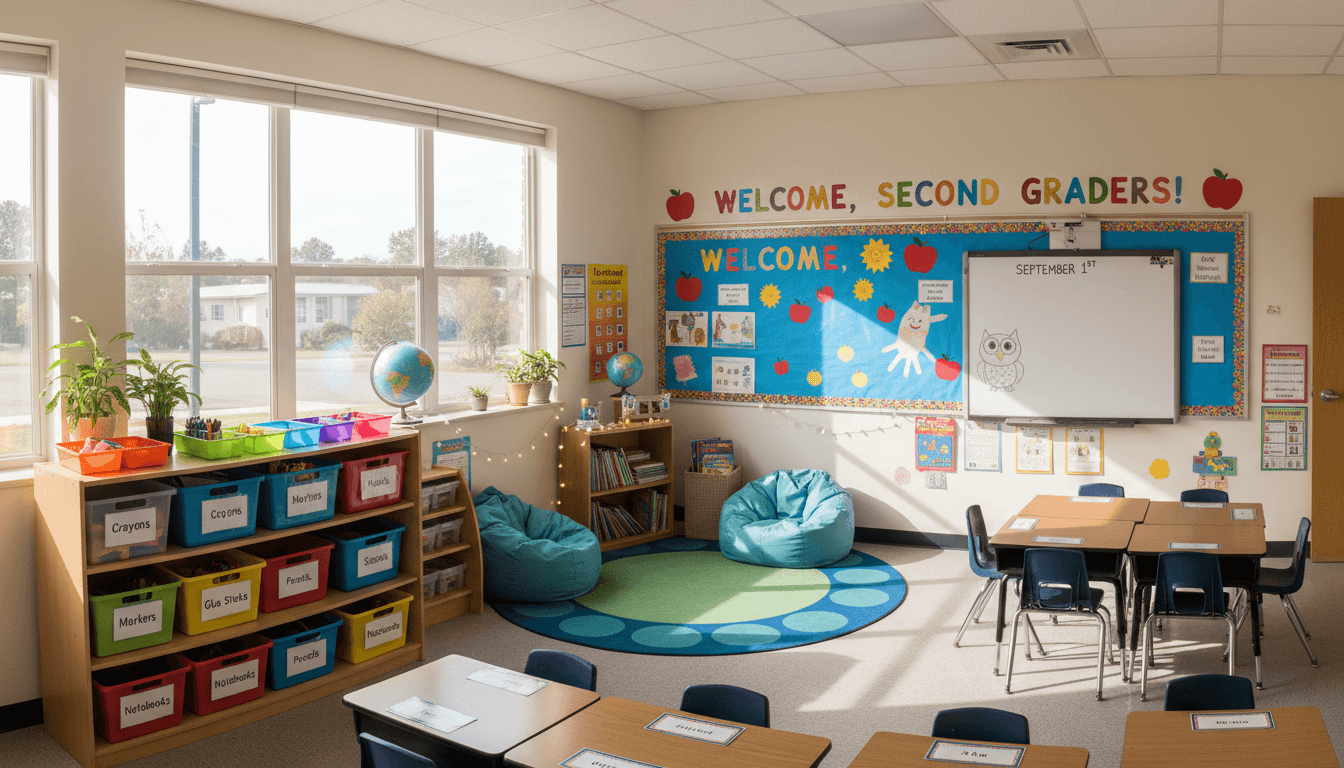
July Newsletter Ideas for 2nd Grade Teachers: What to Send This Month
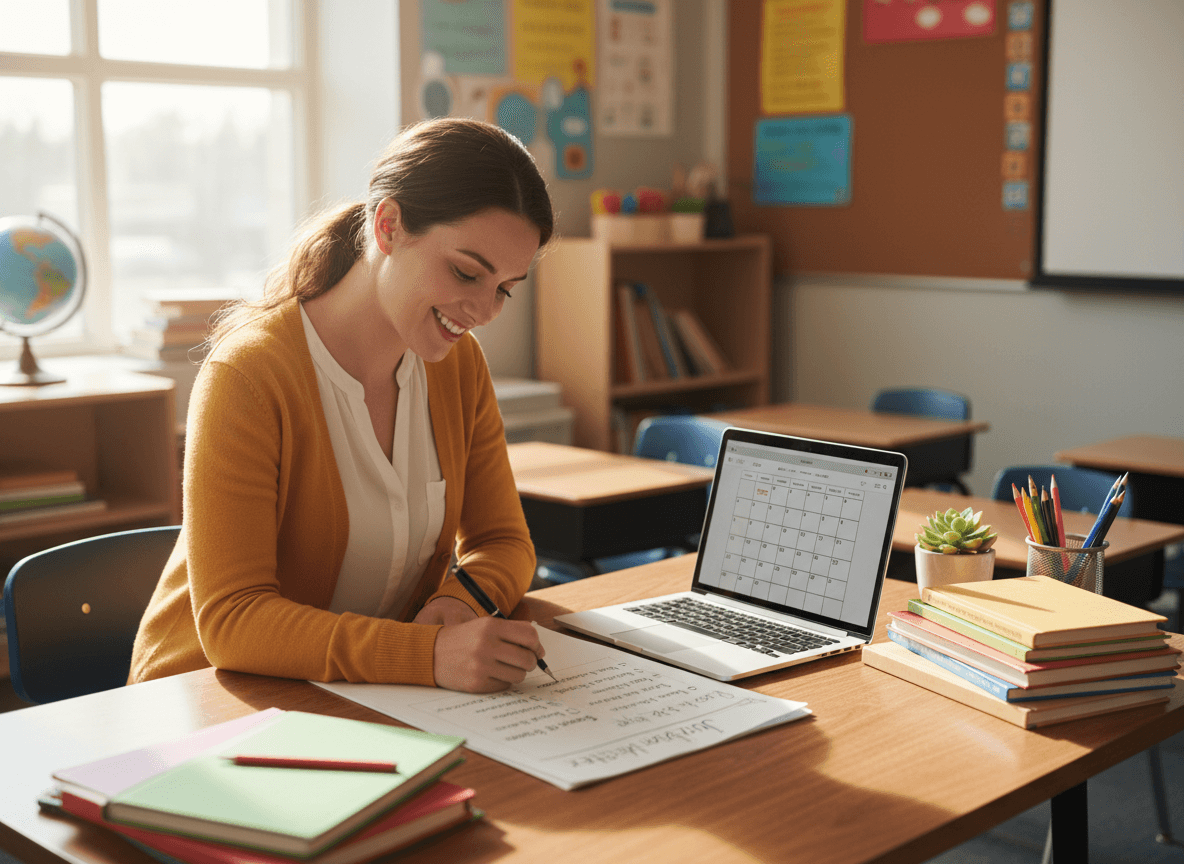
A July newsletter gives second grade families something the first day of school cannot: preparation time. When families hear from their child's teacher in July, they arrive at meet-the-teacher with supplies already gathered, reading habits already rebuilt, and a real sense of who the teacher is. The relationship starts a month early, and that head start pays off across the whole year.
Introduce yourself before anyone sets foot in the building
For most families, the July newsletter is the first time they encounter you as their child's teacher. A brief, specific introduction goes further than a formal bio. Share your teaching background, how long you have been in second grade, and one thing you genuinely love about working with this age group. Keep it warm and direct.
Families who feel like they know the teacher before school starts are more likely to communicate openly when something comes up during the year. That openness begins with how you introduce yourself in July.
Check in on summer reading without piling on pressure
Summer slide is real in second grade. Students who were reading confidently in June can lose fluency over a long break without books in the daily routine. A gentle July nudge to restart the reading habit before school begins is one of the most effective things you can put in a July newsletter.
Suggest fifteen to twenty minutes of reading each night for the remaining weeks of summer. Let families know that any book the child wants to read counts: a favorite series, a library pick, a picture book the child has memorized and reads partly from memory. The habit is what matters. Students who arrive in second grade with reading already part of their daily routine accelerate quickly once instruction starts.
Share the back-to-school supply list early
Families with children entering second grade appreciate having the supply list in July so they can shop before the back-to-school rush hits stores in August. Make the list specific. Include the backpack type and size that fits your classroom setup, whether a labeled water bottle belongs on the list, which supplies the school provides versus what families need to bring, and any classroom-specific items like a particular style of folder or a homework folder if your school uses one.
Include a reminder to label everything with the child's first and last name. Second graders misplace jackets, folders, and water bottles on a near-daily basis, and labeled items are the ones that come home.
Preview what second grade actually looks like
Incoming second grade families often have a loose idea that the year will be harder than first grade but are not sure what that means in practice. A concrete, honest preview helps families calibrate their expectations and gives them something specific to share with their child over the last weeks of summer.
Second grade is the year reading shifts from decoding to comprehension. Students who ended first grade sounding out words begin reading chapter books with independence and talking about what they read. Writing moves from simple sentences to longer, structured paragraphs with a clear beginning, middle, and end. Math tackles two-digit addition and subtraction with regrouping, measurement, and foundational geometry. The year is real but the classroom is still built around what seven-year-olds need.
Describe the morning routine briefly
Children who know what to expect when they walk in the door on the first day are calmer at drop-off. A few sentences describing the morning arrival routine, how morning meeting works, and how the class transitions between activities gives families something useful to share with their child before school starts. You do not need to cover the entire schedule. A clear picture of the first thirty minutes is enough to reduce the "but what happens when I walk in?" conversation that happens in the car on the first morning.
Share meet-the-teacher details and how to reach you
If your school runs a meet-the-teacher event or back-to-school night before the first day, the July newsletter is the right place to share the logistics. Include the date, time, location, and what the event involves: whether it is a classroom drop-in, individual appointments, or a group information session. Let families know whether to bring their child or whether the event is for parents only.
If you offer a way for families to reach you before school starts, by email or a welcome form, include that here. Families who know how to ask a question before the first day arrive with far fewer unresolved concerns.
Close with something specific about the year ahead
End the newsletter with something honest and concrete rather than generic enthusiasm. Name one thing you are genuinely looking forward to in second grade this year: a unit you love teaching, a read-aloud you cannot wait to share with the class, or a milestone you watch happen every year in second grade that still feels remarkable. A specific, genuine closing is more memorable than any amount of warm-but-vague encouragement.
Daystage makes it easy to put together a July second grade newsletter that reaches new families with everything they need before the school year starts, all in one clean, readable send.
Get one newsletter idea every week.
Free. For teachers. No spam.
Frequently asked questions
Why should a second grade teacher send a newsletter in July?
Most families are not thinking about school in July. That is exactly why a newsletter works so well. When a teacher reaches out in the middle of summer, it signals investment and care before the year even begins. Families arrive at meet-the-teacher having already read about the teacher, gathered supplies, and talked with their child about what second grade will bring. That shared preparation translates directly into a smoother first week of school.
How should a July second grade newsletter handle summer reading?
Keep the tone encouraging rather than corrective. Acknowledge that summers get busy and that reading habits vary across families. Then offer a simple, specific suggestion: fifteen to twenty minutes of reading together each night for the remaining weeks of summer, a library trip to pick up books the child is excited about, or a reread of a favorite series. The goal is to rebuild the reading habit before school starts, not to catch up on missed ground. Second graders who arrive with reading as a daily routine move quickly into independent reading.
What should a second grade supply list in a July newsletter include?
Be specific and realistic. Include the backpack size and style that fits your classroom cubbies, whether a labeled water bottle is needed, which supplies the school provides versus what families bring, and anything classroom-specific like a particular folder color or binder style. Add a note about labeling everything with the child's first and last name. Second graders lose jackets, folders, and water bottles regularly, and labeled items are the ones that find their way back.
What is the most useful preview of second grade to include in a July newsletter?
Focus on two or three things that genuinely define the year rather than listing every standard. Second grade is when reading shifts from decoding to comprehension: students move from sounding out words to reading for meaning and discussing what they read. Writing becomes longer and more structured. Math tackles two-digit addition and subtraction with regrouping, measurement, and early geometry. Framing the year around those real shifts gives families a useful and honest picture without overwhelming them.
What newsletter tool works best for second grade teachers?
Daystage is built for teachers who want to reach new families with something polished and personal before the school year starts. A July second grade newsletter with the supply list, summer reading tips, a year preview, morning routine overview, and meet-the-teacher details all fits cleanly in the Daystage format. It sends as a readable email that feels warm rather than administrative, and most teachers put the whole thing together in under fifteen minutes.

Adi Ackerman
Author
Adi Ackerman is a former classroom teacher and curriculum writer with 8 years in K-8 schools. She writes about school communication, parent engagement, and what actually works in real classrooms.
More for Classroom Teachers
ELA Curriculum Update in Your Classroom Newsletter: What Parents Need to Know
Classroom Teachers · 6 min read
Communicating a Community Service Project in Your Classroom Newsletter
Classroom Teachers · 5 min read
Cultural Heritage Month in Your Classroom Newsletter: What to Communicate
Classroom Teachers · 6 min read
Ready to send your first newsletter?
3 newsletters free. No credit card. First one ready in under 5 minutes.
Get started free