

July Newsletter Ideas for Kindergarten Teachers: Get Families Ready
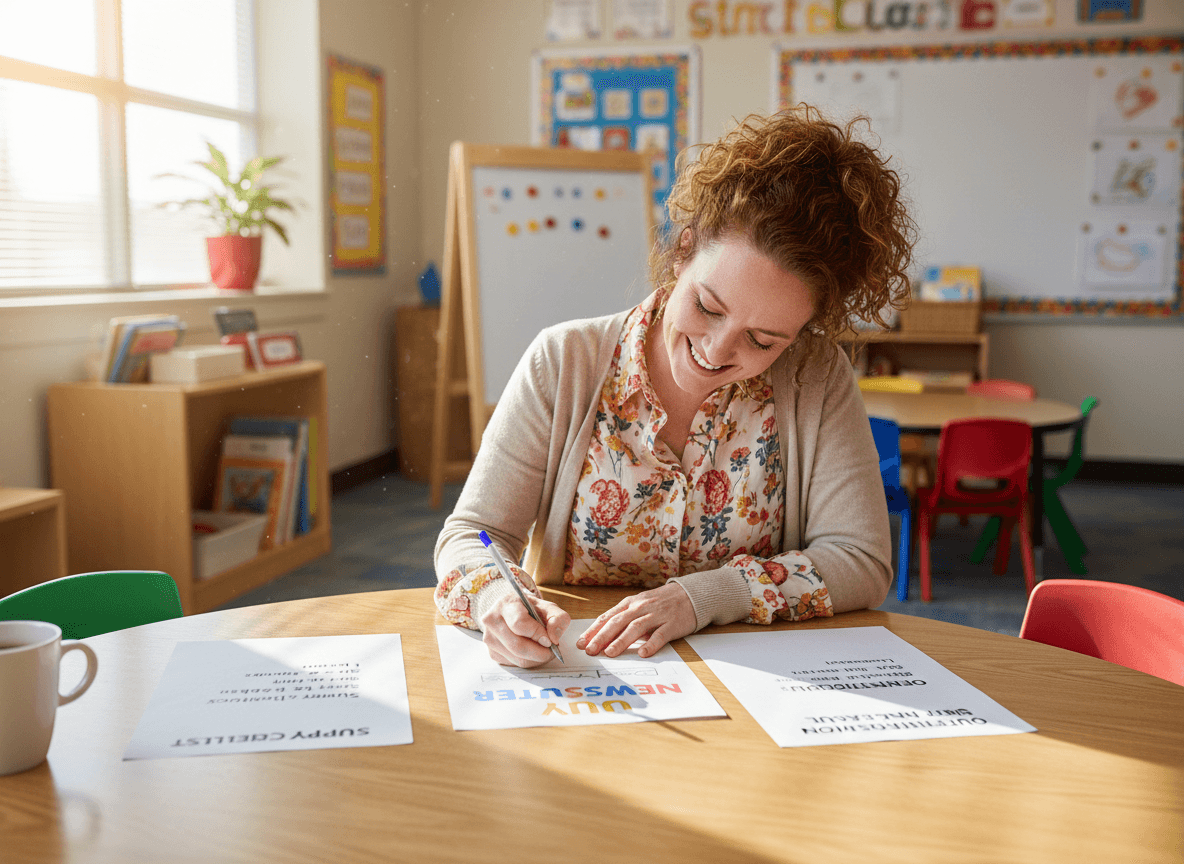
A July newsletter for incoming kindergarten families is one of the most valuable things a kindergarten teacher can send all year. These families are navigating the first major school transition of their child's life, and most of them are anxious in ways they may not fully show. A warm, specific, informative newsletter from the teacher in July does what no school website or registration packet can: it gives families a real human to trust before school begins.
Start with a genuine welcome
The opening of a July kindergarten newsletter should be warm but not generic. Tell families specifically what you are looking forward to about the year ahead. Name one or two things you love about teaching kindergarten. Let them know that you understand starting school is a big moment for both the child and the family, and that your goal is to make the transition as smooth as possible for everyone.
A few sentences of genuine welcome from the teacher go further toward building family trust than any amount of information that follows. Families who feel welcomed by the teacher before school starts arrive at orientation differently than families who received only logistics.
Recommend summer reading habits
The single most effective thing an incoming kindergartner's family can do over the summer is read aloud together every day. Not to teach letters or sounds, but to build vocabulary, listening comprehension, and a love of books. Children who arrive in kindergarten having been read to regularly have a measurably stronger foundation for learning to read than children who have not.
Suggest families visit the library and let their child choose books independently. Any book the child wants to hear is the right book. Recommend a few specific titles if you have favorites, but make it clear that the genre and topic matter less than the habit of reading together.
Share the school supply checklist
Supply lists are one of the most practical things a July newsletter can include, and families appreciate having them early so they can shop over the summer rather than scrambling the week before school starts. Keep the list specific and realistic: the backpack size that actually fits through the classroom cubbies, whether the school provides some supplies or families bring everything, whether a labeled water bottle is needed, and what form packets need to come back on the first day.
A brief note about labeling everything with the child's name saves a significant amount of lost-item confusion over the course of the year. Kindergartners lose things. Everything labeled helps them find their way back.
Describe orientation clearly
Orientation anxiety is real for kindergarten families, and a newsletter that describes the experience before it happens reduces it significantly. Include the date, time, and location. Describe what will happen: whether families tour the classroom, whether the child stays or leaves, whether there is time for individual questions. Let parents know what to bring if anything is needed.
If your school does individual meet-the-teacher appointments rather than a group orientation, describe that structure instead. The goal is to give families a clear mental picture of what they are walking into so they can prepare their child for it in advance.
Preview what kindergarten will look and feel like
Many incoming kindergarten families have no accurate picture of what a kindergarten day actually looks like. They may be imagining something more like preschool, or something more like first grade, depending on what they have heard. A brief preview of a typical day, morning meeting, centers, read-aloud, math, outdoor play, lunch, and afternoon learning, helps families understand the rhythm and reassures them that the environment is structured but warm.
Name one or two things that are specific to your classroom: how you handle morning arrival, whether there is a classroom job system, or how you handle transitions between activities. Families who can picture the day feel less anxious about dropping their child off on day one.
Address first-day separation briefly
First-day separation is the thing many kindergarten families are most worried about and least likely to ask about directly. Address it briefly in the newsletter. Acknowledge that some children cry at drop-off and most are completely fine within a few minutes. Give families a specific drop-off protocol so they know what to expect: where to go, how long they should stay, and what a good goodbye looks like.
A confident, specific drop-off goodbye is the most effective thing parents can do to help their child transition into the school day. Families who know this in advance handle the moment better.
Close with excitement for the year ahead
End the July newsletter with something honest about how you feel about the year ahead. Not "I am so excited to meet your little one" but something specific about what kindergarten year is actually like: the moment reading clicks, the first piece of writing, the way a classroom becomes a community over the course of a year. Families who feel their child's teacher is genuinely invested in the work arrive at school differently.
Daystage makes it easy to send a July kindergarten welcome newsletter that covers everything incoming families need to know, in a warm, readable format that sets the right tone before the school year even starts.
Get one newsletter idea every week.
Free. For teachers. No spam.
Frequently asked questions
Why should a kindergarten teacher send a newsletter in July?
Incoming kindergarten families are anxious in a way that is almost universal, and a July newsletter from the teacher is one of the most effective anxiety-reducers available. Hearing directly from the person who will spend the year with their child, before school begins, builds trust and helps families arrive at orientation with questions rather than fear. A July newsletter that covers supply lists, orientation details, and a warm preview of the classroom routine sets the tone for the entire year.
What summer reading habits should a July kindergarten newsletter recommend?
Focus on read-alouds rather than any pressure to teach reading before kindergarten starts. Families who read aloud with their child for fifteen to twenty minutes each day build vocabulary, listening comprehension, and a love of books that are the strongest possible preparation for kindergarten literacy instruction. Recommend visiting the library to let the child pick books independently. Point to the library's summer reading program if it is still running. Avoid suggesting families try to teach letter sounds or phonics on their own, because inconsistent instruction before formal reading starts can create confusion.
What should be on a kindergarten supply checklist in July?
Keep the list realistic and specific. The items most kindergarten teachers actually use: a backpack large enough for a folder and a lunch box, a labeled water bottle, a change of clothes kept in the backpack, basic supplies like crayons and a box of tissues if the school requests them, and any form packets the school sent home for the first day. Avoid a list that is so long it becomes intimidating. Families who arrive with the right supplies on the first day have one less thing to worry about.
How do I describe orientation in a July kindergarten newsletter?
Give families everything they need to attend with confidence: the date, time, location, how long it will run, and whether children attend with their parents or separately. Describe what will happen during orientation so families are not walking into an unknown experience. If you will meet families individually, mention that. If the orientation is a classroom walkthrough, say so. Parents who know what to expect from orientation feel prepared, and prepared parents pass that calm to their children.
What newsletter tool works best for kindergarten teachers reaching new families in July?
Daystage is designed for exactly this situation: a teacher who needs to reach a new group of families before the school year starts, in a format that feels warm and professional rather than like a school form. A July kindergarten welcome newsletter with supply lists, orientation details, and summer reading tips is quick to build in Daystage and arrives in parents' inboxes as a clean, readable email that sets the right tone before the first day.

Adi Ackerman
Author
Adi Ackerman is a former classroom teacher and curriculum writer with 8 years in K-8 schools. She writes about school communication, parent engagement, and what actually works in real classrooms.
More for Classroom Teachers
ELA Curriculum Update in Your Classroom Newsletter: What Parents Need to Know
Classroom Teachers · 6 min read
Communicating a Community Service Project in Your Classroom Newsletter
Classroom Teachers · 5 min read
Cultural Heritage Month in Your Classroom Newsletter: What to Communicate
Classroom Teachers · 6 min read
Ready to send your first newsletter?
3 newsletters free. No credit card. First one ready in under 5 minutes.
Get started free