
July Newsletter Ideas for 4th Grade Teachers: What to Send This Month

Fourth grade feels different from third grade in ways families do not always expect. The reading gets more analytical, the writing gets longer, and fractions arrive in math. A July newsletter that names those changes honestly, shares the supply list, checks in on summer reading, and builds some genuine excitement gives families the preparation time that the first week of school cannot provide.
Introduce yourself with something specific
For most incoming fourth grade families, the July newsletter is their first real introduction to you as their child's teacher. A specific introduction lands better than a formal one. Share your teaching background, how long you have been in fourth grade, and one thing you love about working with students this age. Keep it warm and direct.
Parents who feel like they know the teacher before school starts are far more likely to reach out when something comes up during the year. That relationship begins with how you introduce yourself in July.
Nudge summer reading before the habit disappears
Fourth grade reading requires real stamina. Students are expected to read longer texts, track themes across chapters, analyze characters and their motivations, and respond to what they have read in writing. A student who arrives in September without having read much over the summer faces a steeper ramp-up than one who kept the habit going.
Suggest twenty to thirty minutes of reading each day for the remaining weeks of summer. Any chapter book the child is genuinely excited about is the right book. The goal is sustained engagement with longer text, not accelerated reading level. Families who make reading part of the daily routine now arrive at fourth grade in a much stronger position.
Share the supply list before the August rush
Families appreciate having the fourth grade supply list in July so they can shop without the back-to-school scramble in late August. Make the list specific and practical. Include the backpack size and style your classroom accommodates, whether a labeled water bottle is expected, which supplies the school provides, and any classroom-specific items like a homework binder, a particular folder color, or dividers if students use subject binders.
Fourth graders can help gather their own supplies, so writing the list in clear language they can follow alongside a parent helps build investment in the school year before it begins.
Preview fractions and longer writing honestly
Fourth grade math introduces fractions in depth: equivalent fractions, comparing fractions, adding and subtracting fractions with like denominators, and applying fractions to real-world problems. Many families have heard that fractions are hard. A brief, calm preview that acknowledges the challenge while giving families something practical to do is more useful than reassurance without substance.
The best preparation for fractions is solid multiplication facts. Families can help by practicing multiplication tables during car rides or at meals for the remaining weeks of summer. Fourth grade writing also gets longer and more structured: students write multi-paragraph essays, research reports, and narrative pieces with clear development. Letting families know what is coming gives them context for the work their child will bring home.
Introduce lockers if this is the first year
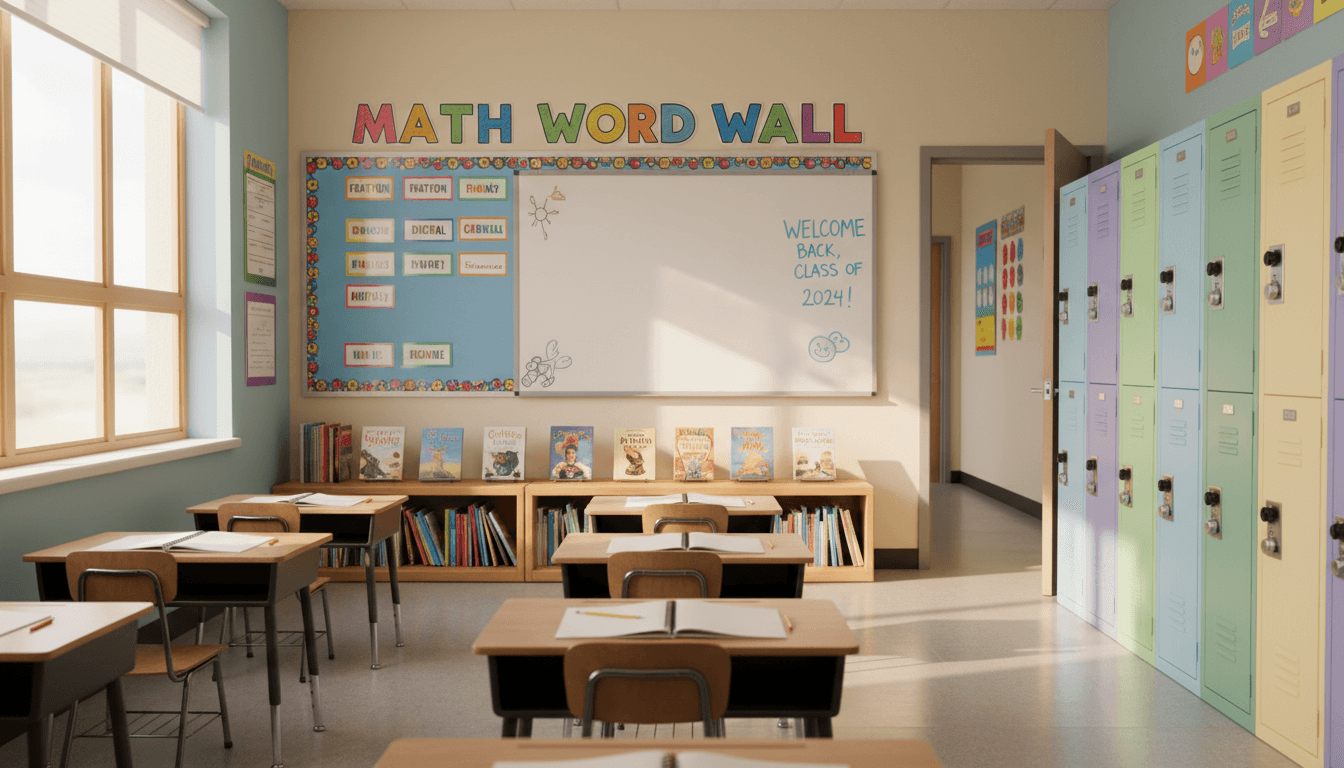
If fourth grade is the first year your school assigns lockers, include a brief, practical introduction in the July newsletter. Explain what the locker will be used for, whether students need a padlock and what kind the school accepts, and what the morning locker routine looks like. For some students, getting a locker is genuinely exciting as a sign of growing independence. For others, it is a source of anxiety. A calm, factual description with clear logistics addresses both.
Share extracurricular and activities signups
Fourth grade is often when students begin participating more seriously in school sports teams, clubs, and activities. If signups for fall sports, student council, band, or other programs are happening before or soon after school starts, the July newsletter is a good place to share that information. Include deadlines, where to sign up, and any equipment or preparation families need to do in advance.
Students who arrive at fourth grade already signed up for something they are excited about have a stronger reason to look forward to the first week of school.
Cover meet-the-teacher and how families can reach you
Share the date, time, format, and location of any meet-the-teacher or back-to-school event happening before the first day. Let families know whether to bring their child or whether the event is for parents. If you have a way for families to reach you before school starts, by email or a short welcome form, include that information here.
Daystage makes it easy to pull together a complete July fourth grade newsletter that reaches new families before the year starts, covering everything from supply lists to fractions to lockers, all in one readable, polished send.
Get one newsletter idea every week.
Free. For teachers. No spam.
Frequently asked questions
Why is a July fourth grade newsletter worth sending?
Fourth grade is a meaningful transition point in elementary school. The academic demands increase noticeably: fractions, longer writing pieces, and more complex reading comprehension all arrive this year. Families who hear about those shifts in July have time to prepare their child, rebuild summer reading habits, and arrive at meet-the-teacher with informed questions rather than general anxiety. A July newsletter is a low-cost investment that pays off across the whole first semester.
How should a July fourth grade newsletter introduce fractions to families?
Keep it concrete and low-key. Let families know that fractions are one of the core new math concepts this year and that the best preparation is not drilling fraction problems but rather helping students stay comfortable with multiplication facts over the summer, since multiplication is the foundation fraction work builds on. A simple suggestion like practicing multiplication tables during car rides or at the dinner table gives families something actionable without creating pressure to do formal math over the break.
How do I handle the locker introduction in a July fourth grade newsletter?
If fourth grade is the first year your school assigns lockers, mention it briefly and frame it as a milestone rather than a logistical burden. Explain what the locker will be used for, whether students need a lock and what kind, and what the morning locker routine looks like on the first day. For some students, the locker is genuinely exciting as a sign of growing independence. For others, it is a source of anxiety. A calm, practical description addresses both.
What should a fourth grade July supply list include?
Be specific about everything that matters for your classroom: backpack size, whether a labeled water bottle is required, which supplies the school provides versus what families bring, and any classroom-specific items like a particular binder style or folder color. Fourth graders are capable of managing their own supplies, so writing the list in language they can follow alongside their parent helps build ownership before school starts.
What newsletter tool works best for fourth grade teachers?
Daystage is built for teachers who want to make a strong, organized first impression with families before the school year starts. A July fourth grade newsletter covering supply lists, summer reading, a fractions and writing preview, locker introduction, and extracurricular signups all fits in one clean Daystage send. It arrives as a readable email that feels personal rather than administrative, and most teachers put the whole thing together in fifteen minutes or less.

Adi Ackerman
Author
Adi Ackerman is a former classroom teacher and curriculum writer with 8 years in K-8 schools. She writes about school communication, parent engagement, and what actually works in real classrooms.
More for Classroom Teachers
ELA Curriculum Update in Your Classroom Newsletter: What Parents Need to Know
Classroom Teachers · 6 min read
Communicating a Community Service Project in Your Classroom Newsletter
Classroom Teachers · 5 min read
Cultural Heritage Month in Your Classroom Newsletter: What to Communicate
Classroom Teachers · 6 min read
Ready to send your first newsletter?
3 newsletters free. No credit card. First one ready in under 5 minutes.
Get started free