
Fourth Grade Digital Citizenship Newsletter: Online Identity and Responsible Creation
Fourth grade digital citizenship moves into territory that directly anticipates the middle school social media landscape. Students are approaching the age when they will have their own accounts, encounter algorithmic content curation, and make decisions about what to share and create online. Your newsletter helps families prepare for that reality rather than just managing it reactively.
Online Identity: You Construct It
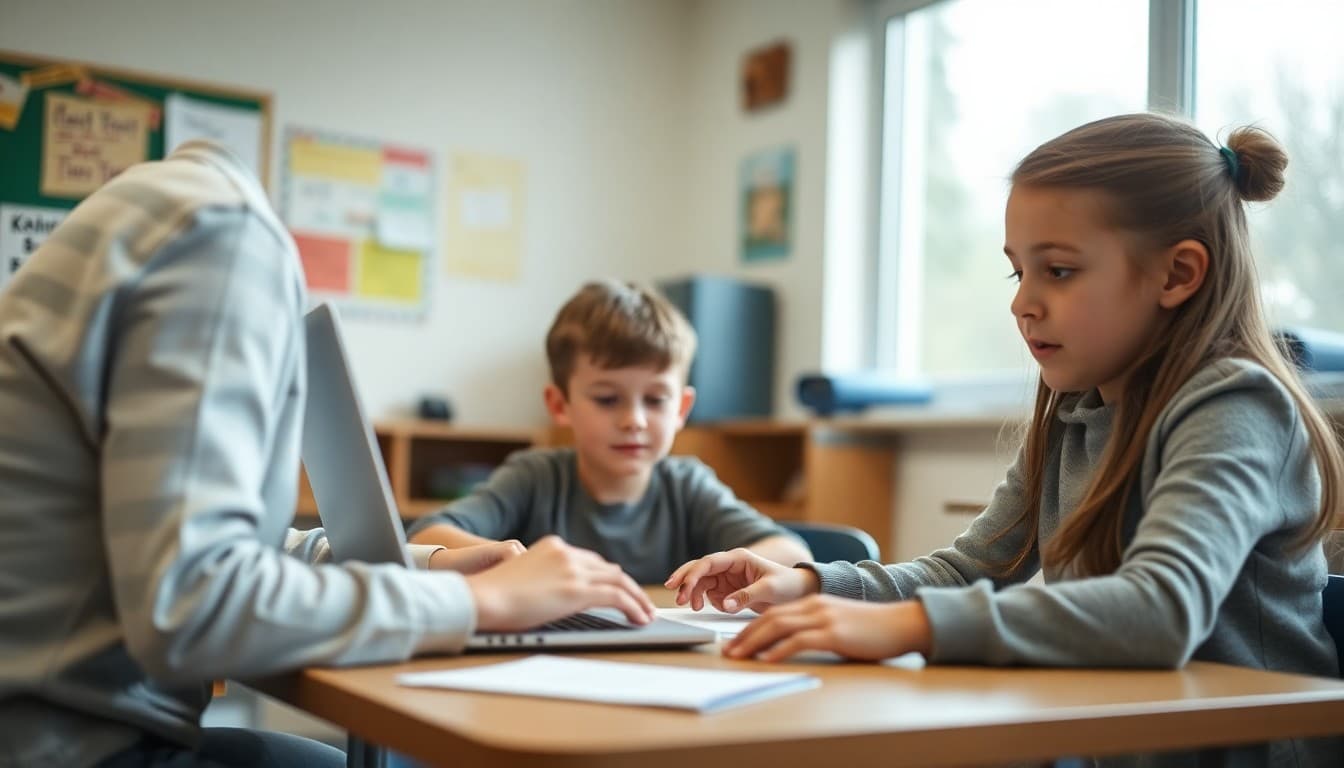
Introduce the concept of online identity clearly. Everything a person does online contributes to how others perceive them and how they perceive themselves. For fourth graders, the relevant question is: "If someone could see all your usernames, the comments you leave in games, and the things you share online, what impression would they form? Is that the impression you want to make?"
Creating Content Responsibly
Fourth graders create digital content: game builds, drawings, comments, project presentations. Teaching them to think before creating builds a habit that extends to every platform they use later. Three questions before posting or sharing: Is it true? Is it kind? Does it represent who I want to be?
Recognizing Persuasion and Bias
At fourth grade, students can learn to recognize persuasion techniques in digital content. Ads that look like content. Headlines designed to provoke emotional reactions. Reviews that are paid. Thumbnails designed to maximize clicks. Identifying these techniques is a protective skill for any digital environment.
Data Privacy in Plain Language
Explain data collection simply: "When you use a free app, the company running it is learning about what you like, how long you spend on different content, and what you click on. They use this information to show you more of what keeps you engaged. That is the trade: your data for their free product." This is not designed to frighten; it is accurate information that helps students make informed choices.
What We Are Teaching in Class
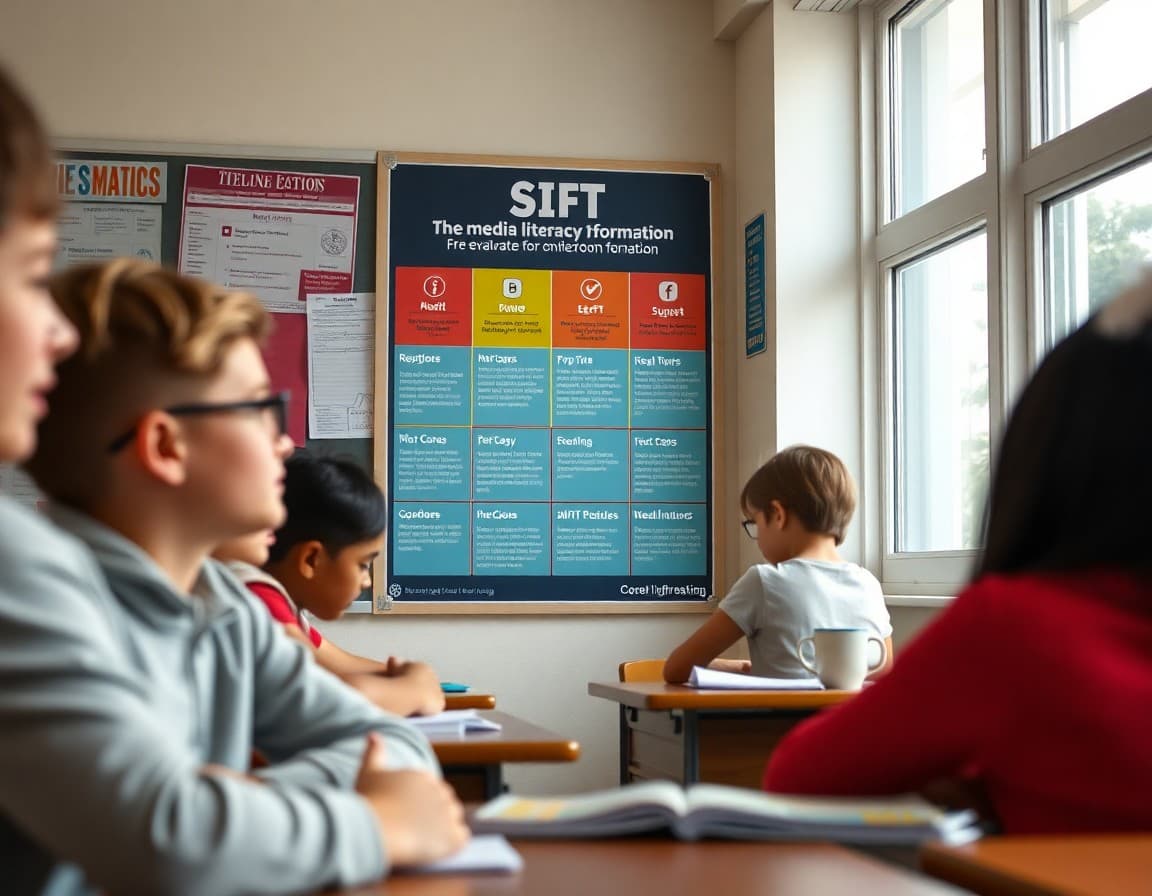
Connect the newsletter to your specific current unit. "This month we are applying the SIFT method to evaluate online sources for our social studies research project. SIFT stands for Stop, Investigate the source, Find better coverage, Trace claims back to the original." Naming the specific method lets families reinforce it at home.
Preparing for Middle School Digital Life
Fourth grade is a good time to have a family conversation about what social media will look like when your child is in middle school: what platforms they will encounter, what the school's policies are, and what your family's expectations will be. Raising these questions before the environment exists is easier than reacting to it. Common Sense Media's family resources are useful starting points for this conversation.
Get one newsletter idea every week.
Free. For teachers. No spam.
Frequently asked questions
What digital citizenship concepts are new in fourth grade?
Fourth grade introduces: online identity and how it is constructed (usernames, avatars, public posts), the concept of creating digital content responsibly (what you make online has impact), more sophisticated media literacy (recognizing bias and persuasion techniques), understanding data privacy (what apps collect and why), and preparing for the social media landscape they will encounter in a few years.
What is digital identity and why does it matter for a fourth grader?
Digital identity is the sum of how a person presents themselves and is represented online: usernames, photos, comments, posts, and search history. For fourth graders, the most relevant aspects are usernames they choose for games and apps, and any content they create or share. Understanding that others can see and form impressions from these choices is an important concept before students enter environments with more social visibility.
How do you teach fourth graders to evaluate bias in online sources?
A four-question check works at this level: Who made this? What do they want me to think or do? What evidence do they provide? Is there another credible source that agrees? Applying these to examples from everyday content (a product review, a news headline, a social media post) makes the concept concrete. Practice with one example per week is sufficient to build the habit.
Should fourth graders know about data privacy?
Yes, at a basic level. Apps collect data to show targeted ads and to improve their products. The free apps and games your child uses are free because data about users is the product being sold. For fourth graders, the key lesson is: when you use a free app, something about your behavior is being tracked. That is not necessarily dangerous, but it is worth understanding.
Can Daystage newsletters link to Common Sense Media resources for fourth grade digital citizenship?
Yes. Including direct links to grade-specific Common Sense Media resources in your Daystage newsletter is the most effective way to extend learning at home. Families who can click directly to a relevant video, activity, or family guide are much more likely to use it than families who are told to search for resources themselves.

Adi Ackerman
Author
Adi Ackerman is a former classroom teacher and curriculum writer with 8 years in K-8 schools. She writes about school communication, parent engagement, and what actually works in real classrooms.
More for Classroom Teachers
Technology and Devices in Your Classroom Newsletter: What Parents Need to Know
Classroom Teachers · 5 min read
Best Classroom Newsletter Apps for Teachers: Top Picks
Classroom Teachers · 6 min read
Third Grade Digital Citizenship Newsletter: Critical Thinking for the Digital World
Classroom Teachers · 6 min read
Ready to send your first newsletter?
3 newsletters free. No credit card. First one ready in under 5 minutes.
Get started free