
Fourth Grade Classroom Rules Newsletter: How to Share Expectations With Families

Classroom rules are not just for students. When families understand the expectations that govern their child's school day, they become partners in reinforcing those expectations at home. A thoughtful classroom rules newsletter is not a legal document or a warning letter. It is an invitation into your classroom culture.
Rules vs. Community Agreements
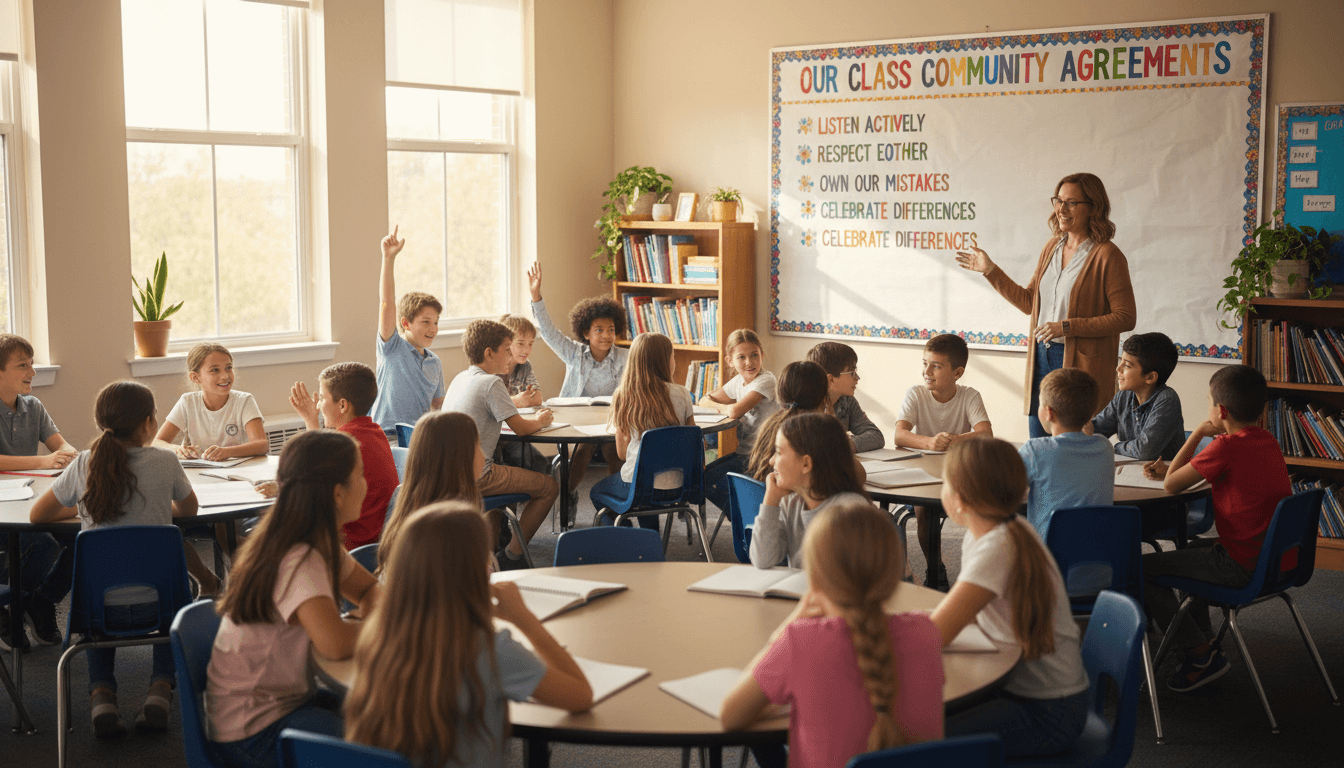
Many fourth grade teachers have moved away from the word "rules" in favor of language like "community agreements," "classroom norms," or "shared expectations." The difference is more than semantic. Rules imply external control. Agreements imply shared ownership. If your classroom uses agreement-based language, use it in the newsletter too and take a sentence to explain the distinction.
Families who understand that their child's class developed these expectations together, rather than receiving them from above, will engage with the newsletter differently. They will talk to their child about it differently too.
Writing Expectations in Positive, Actionable Language
Frame every expectation as something students will do, not something they will not do. "We listen to understand each other" reads differently than "No interrupting." Both get at the same behavior, but the positive framing sets a more collaborative tone.
For each expectation in the newsletter, add a brief description of what it looks like in your specific classroom. "We take care of our shared space" is a fine rule, but "We put materials away before transitions so the next activity can start without delay" is a rule families can talk about with their child in concrete terms.
Connecting Rules to Classroom Culture
Rules do not exist in a vacuum. They reflect the kind of classroom community you are trying to build. Use your newsletter to briefly describe that vision. If your classroom values intellectual risk-taking, mention it. If you prioritize collaborative problem-solving, name it. If you believe students learn best when they feel safe to make mistakes, say so.
This context helps families understand that classroom rules are not arbitrary restrictions. They are the operating principles of a specific learning environment that you have thought carefully about. Families who share that vision are better equipped to reinforce it.
Explaining the Consequence Process
Families want to know what happens when a rule is broken. Be honest and specific without being alarmist. Describe the general flow: a reminder, then a conversation, then a documented consequence if the pattern continues. Note when families will be contacted, and what they can expect from that communication.
Fourth grade families in particular appreciate knowing that consequences are consistent and fair. Students at this age are highly attuned to fairness, and families often hear about perceived inconsistencies in how rules are applied. Acknowledging that you aim for consistency, and explaining how the process works, preemptively addresses those conversations.
How Families Can Reinforce Expectations at Home
The most powerful use of a classroom rules newsletter is to invite families to use the same language at home. If one of your classroom expectations is "we give our full attention when someone is speaking," share that with families and suggest they try the same expectation at the dinner table or during family time.
When students hear the same expectations from both their teacher and their family, the expectations feel real and consistent rather than arbitrary school requirements. This alignment is one of the most underestimated tools in classroom management.
Inviting Feedback and Questions
End the newsletter with a genuine invitation for families to reach out if they have questions about any of the expectations you have described. Some families will have concerns. Others will want clarification. A few may have relevant context about their child that would help you apply expectations more thoughtfully.
The newsletter is the opening of a conversation, not the closing of one. Families who feel invited to respond, rather than just informed, are more likely to stay engaged throughout the year and to reach out early when something is not working for their child.
Revisiting Expectations After Breaks
Classroom rules are not a one-time communication. After winter break, spring break, or any extended time away from school, a brief reminder in your newsletter about the expectations students agreed to in September helps re-establish the classroom culture quickly.
You do not need to rewrite the full newsletter each time. A short paragraph referencing the expectations and noting that the class will review them together on the first day back is enough. Consistent, low-key reinforcement throughout the year does more than any single document sent in September.
Get one newsletter idea every week.
Free. For teachers. No spam.
Frequently asked questions
When is the best time to send a classroom rules newsletter for fourth grade?
Within the first week of school. Families are paying close attention to school communication during this window, and rules are most meaningful when students are in the process of learning and practicing them. Early in the year, the newsletter reinforces what students are hearing in class rather than introducing something unfamiliar.
Should I involve students in creating classroom rules before sharing them with families?
Yes, when possible. When students participate in developing classroom community agreements, they have more ownership over them and are more likely to follow through. In your newsletter, you can mention that the class developed these expectations together. Families respond positively to that kind of student agency.
How detailed should classroom rules be in a newsletter?
Describe the rules and what they look like in practice, but do not turn the newsletter into a policy document. A list of five to seven expectations with a one-sentence description of each strikes the right balance. Save procedural specifics for a full classroom handbook if you have one.
How do I explain consequences without making the newsletter sound punitive?
Frame consequences as a natural part of community accountability rather than punishment. 'When expectations are not met, we work together to understand what happened and how to make it right' communicates a restorative approach. Be honest about what happens in serious situations without making the newsletter feel like a warning.
What newsletter tool works well for sharing classroom rules with fourth grade families?
Daystage makes it easy to build a clear, well-formatted newsletter that families can save and refer back to throughout the year. For rules and expectations communication, the ability to organize content under distinct headings is especially helpful. Many teachers keep their classroom rules newsletter accessible digitally so families can find it anytime, not just on the first day of school.

Adi Ackerman
Author
Adi Ackerman is a former classroom teacher and curriculum writer with 8 years in K-8 schools. She writes about school communication, parent engagement, and what actually works in real classrooms.
More for Classroom Teachers
Fourth Grade Behavior Newsletter to Parents: Setting Expectations and Building Consistency
Classroom Teachers · 6 min read
Fourth Grade Classroom Newsletter Ideas: What to Include Every Month
Classroom Teachers · 7 min read
Third Grade Classroom Newsletter Ideas Parents Actually Read
Classroom Teachers · 6 min read
Ready to send your first newsletter?
3 newsletters free. No credit card. First one ready in under 5 minutes.
Get started free