

Classroom Pet Newsletter: Care and Learning With Animals in Class
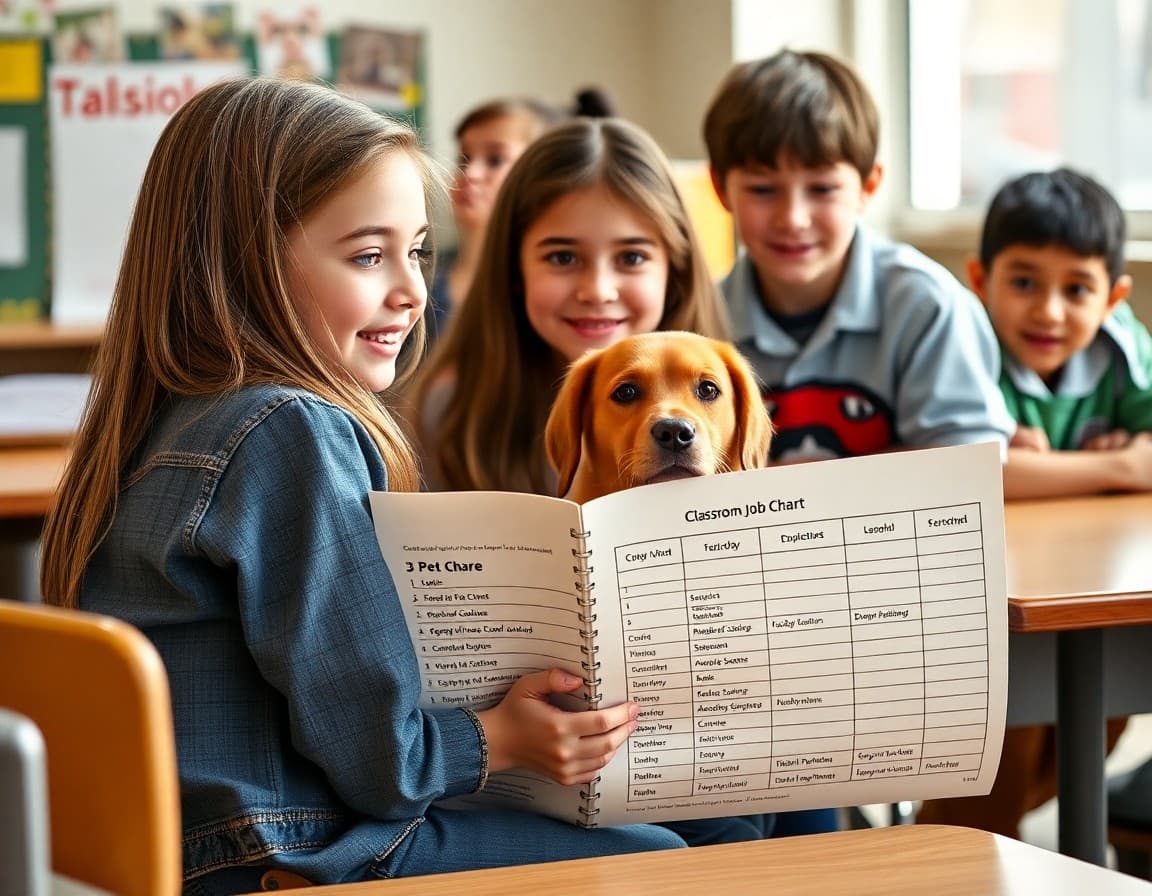
A classroom pet changes the energy in a room. Students arrive in the morning with something to check on. They argue over whose turn it is to feed the hamster. They notice things, ask questions, and write about what they observe. For families, a classroom pet is also a conversation starter at home. But if parents do not know the animal exists, you will get questions and concerns instead of excitement.
Introducing the Pet to Families
Send an introduction newsletter as soon as the animal arrives, or before if you know it is coming. Name the animal, describe what it is, and give one sentence about how it joined your class. "This week we welcomed Peanut, a Syrian hamster, to our room. He was donated by a family whose child graduated last year." That kind of detail gives the pet a real story and makes families feel included from the start.
The Learning That Happens Through Pet Care
Do not assume families see the connection between a class pet and academic learning. Make it explicit. Students practice responsibility by following a care schedule. They develop observation skills by recording behavior data. They learn cause and effect when they notice that the hamster is more active at night than during the day. These are real science and social-emotional outcomes, not just cute activities.
Student Care Responsibilities
Describe the job structure. Who feeds the pet and when? Who checks the water? Who cleans the habitat and how often? Families appreciate knowing that this is structured rather than chaotic. It also prepares them if their child comes home talking about their "turn" this week.
Addressing Allergies and Concerns Up Front
Include a short paragraph in your introduction newsletter about health considerations. Let families know the species, mention that you have talked with the school nurse, and invite anyone with documented allergies or concerns to contact you within the first week. Handling this proactively is much smoother than fielding a worried email after a child with asthma reports being near the animal all week.
A Simple Home Connection Template
This week with our classroom pet: Peanut has been [brief observation or activity].
Student job this week: [student name or role] is responsible for [specific task].
Ask your child: What did they notice about [pet name] this week?
Upcoming: [any change in routine, holiday care plan, or special observation activity]
Holiday and Break Care Plans
Before every break longer than a weekend, publish a clear plan in your newsletter. Who is taking the animal home? What do they need? Is there a backup? Families who volunteer appreciate knowing what to expect. Families who do not volunteer appreciate knowing the animal is covered. A chaotic last-minute scramble to find holiday pet care makes everyone anxious.
When Something Goes Wrong
Eventually, a classroom pet gets sick or dies. That is a real moment. Address it in your newsletter honestly and age-appropriately before children bring the news home in ways that catch parents off guard. "We lost our classroom beta fish this week. The class handled it really maturely and we had a good conversation about life cycles." That kind of update prepares parents for the conversation and shows you handled it with care.
Keeping the Pet in the Conversation
After the introduction, you do not need a dedicated pet section every week. A brief mention in your regular newsletter every few weeks keeps families connected to what is happening. A fun observation, a photo from a care activity, or a note about a behavior students recorded during science time. Small updates keep the story alive without requiring a lot of writing.
Get one newsletter idea every week.
Free. For teachers. No spam.
Frequently asked questions
What should I include in a newsletter about our classroom pet?
Tell families what animal you have, how it arrived in the classroom, what students are responsible for in its care, and what the learning objectives are. Also include a note about allergies and what families should do if they have concerns. Covering those basics proactively prevents most of the questions you would otherwise receive.
How do I handle allergy concerns about a classroom pet?
Address it in the introduction newsletter before any families raise it. Let them know what species you have, that you have consulted with the school nurse or administration, and that you want to hear from anyone who has a documented allergy or concern. Acting first shows responsibility and gives parents a clear path to reach you.
Can families take the classroom pet home over breaks?
If you allow it, spell out the exact process in the newsletter: how families sign up, what supplies they take, how to handle an emergency, and how to return the animal. A clear procedure prevents both the families who want to help and any problems that come up when the animal is away from school.
How do I explain the educational value of a classroom pet to parents?
Be specific. Responsibility, empathy, life science observation, routine, and cause-and-effect are all real outcomes a classroom pet supports. 'Students take turns feeding and cleaning the habitat. We observe behavior weekly and record notes' is more convincing than a general statement about learning through animals.
Does Daystage let me include photos of our classroom pet in newsletters?
Yes. You can add photo blocks to any Daystage newsletter. A photo of students caring for the pet alongside a brief description makes the newsletter feel alive and gives families a real glimpse into the classroom.

Adi Ackerman
Author
Adi Ackerman is a former classroom teacher and curriculum writer with 8 years in K-8 schools. She writes about school communication, parent engagement, and what actually works in real classrooms.
More for Classroom Teachers
Ready to send your first newsletter?
3 newsletters free. No credit card. First one ready in under 5 minutes.
Get started free