
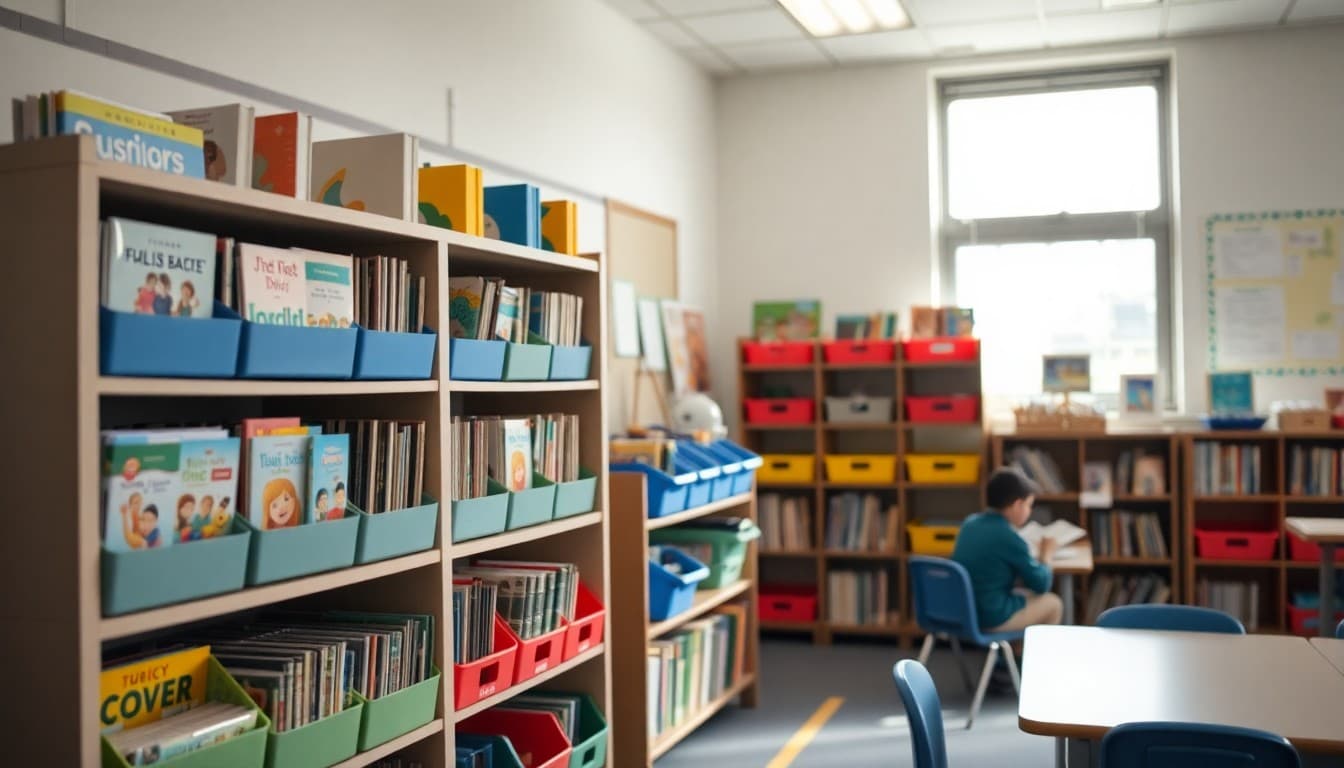
Classroom Library Newsletter: Books Available for Home Borrowing
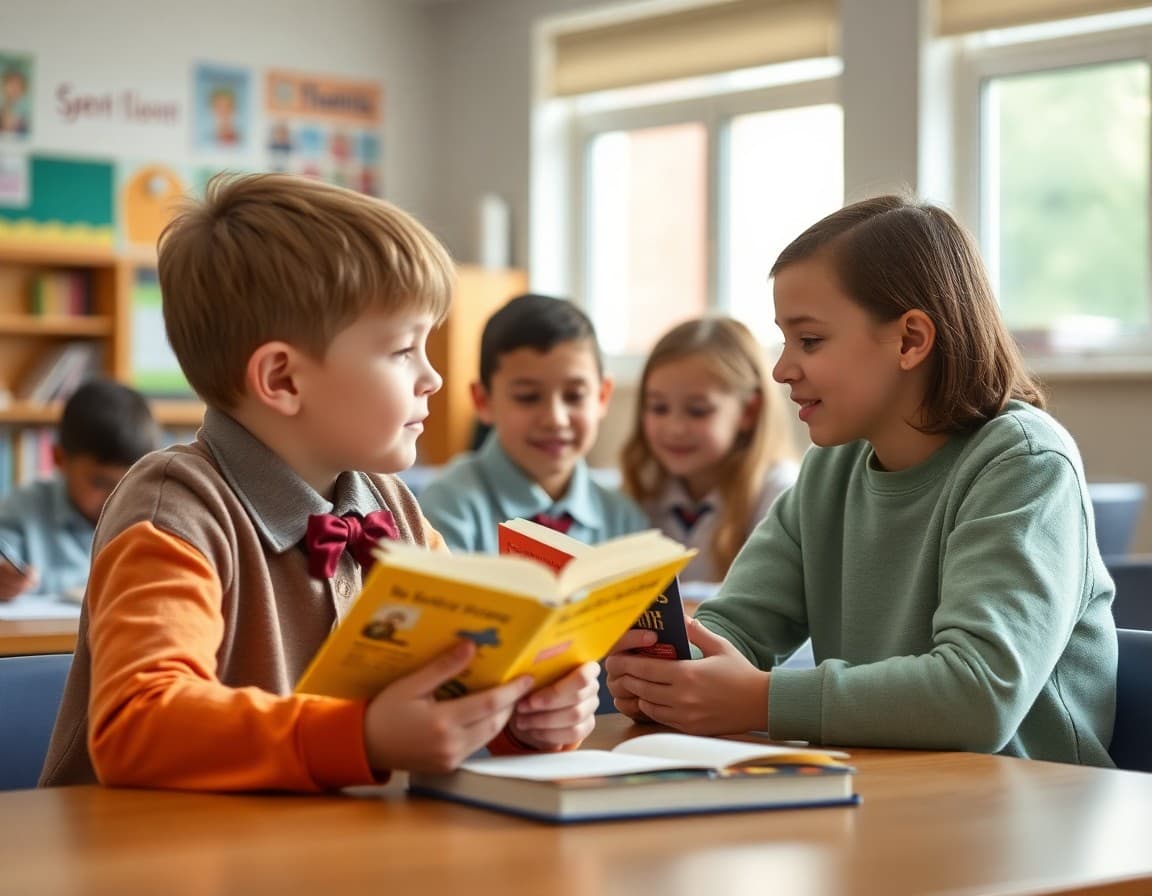
Your classroom library has good books in it. Some of them are sitting on the shelf untouched for weeks because students already read them at school and parents do not know they can borrow them for home. A quick section in your newsletter changes that. It extends the reading life of your library and puts books in homes where they might not otherwise land.
Why the Classroom Library Is for Borrowing Too
Many families assume the classroom library stays at school. A simple statement that books can come home changes the dynamic. "Students are welcome to borrow books from our classroom library to read at home. The system is simple: sign the card, return by Friday." That is all it takes to open the door.
Explaining the Borrowing System
Describe exactly how it works in three sentences or fewer. Who picks the book? How do students sign it out? When is it due back? What happens if it is damaged? Clear rules prevent the end-of-year scramble to account for missing books. They also show families that you have organized this intentionally, not as an afterthought.
Books That Are Popular Right Now
A short curated list of what students are currently excited about in the classroom library is genuinely useful for families. If every kid in the class is obsessed with a certain series, parents want to know. "Right now the class is loving the Diary of a Wimpy Kid books and several students have been reading ahead of their classmates. If your child wants to start the series at home, we have copies available." That kind of note sends books home.
Connecting Library Books to the Current Unit
When you are deep in a science or social studies unit, pull the related books from your library and mention them in the newsletter. "We are in our weather unit this week. If your child is curious, we have several weather books available to borrow, including [title], which explains how thunderstorms form in a way that third graders love." That connection makes the learning extend naturally into evening time.
A Template for the Newsletter Library Section
Classroom Library Spotlight: This month we are featuring books about [topic or theme]. Students can borrow any of these titles to read at home.
How to borrow: [your specific check-out process, one sentence]
Return by: [date or day of week]
This week's picks: [two or three titles with one-sentence descriptions]
Addressing the Lost Book Question
Include your policy on damaged or lost books somewhere in the first borrowing newsletter and link back to it when needed. Most teachers handle it simply: accidents happen, no family is charged, just let the teacher know. Saying that upfront removes the hesitation some families feel about taking books home. They worry about damage. A clear, forgiving policy removes that barrier.
Highlighting Books for Reluctant Readers
Once or twice a year, feature a section specifically for reluctant readers. Graphic novels, high-interest nonfiction, funny books, books with big pictures. Name them as books that kids who claim they hate reading tend to love. Families with reluctant readers are often at a loss for what to try next. A direct recommendation from the classroom teacher carries real weight.
Celebrating Classroom Library Readers
If students who borrow from the classroom library are reading more, mention that in the newsletter without naming specific children. "We have had twelve books go home and come back this month. That is a record for our class." Celebrating the habit publicly encourages more families to participate and normalizes borrowing as something the whole class does.
Get one newsletter idea every week.
Free. For teachers. No spam.
Frequently asked questions
How do I explain the classroom library borrowing system in a newsletter?
Describe the process in three simple steps: which books are available to borrow, how students check them out, and when they need to be returned. Include what happens if a book gets damaged or lost. A clear, short explanation prevents the awkward conversations about missing books at the end of the year.
What types of books should I feature in the newsletter?
Feature books that are currently popular in the classroom, books that tie to a current unit, or books you want to put in front of reluctant readers at home. A brief description or recommendation feels more like a conversation than a list and gives families a reason to actually check the books out.
How do I encourage families who do not have many books at home?
The classroom library newsletter is a low-pressure way to extend access without singling anyone out. Inviting the whole class to borrow books normalizes it. Mentioning that borrowing is free, simple, and encouraged signals that your classroom library is meant to be used, not just displayed.
How often should I update families about the classroom library?
A feature in your monthly newsletter is enough. You do not need a standalone library newsletter unless you are launching a new borrowing program or adding a significant number of new books. Short mentions in your regular update work well and keep the library visible without requiring extra effort.
Can Daystage help me highlight book recommendations in my newsletter?
Yes. You can add formatted sections with book titles, short descriptions, and even cover images to your Daystage newsletter. Making it visually appealing increases the chance families will actually look at the list and ask their child about it.

Adi Ackerman
Author
Adi Ackerman is a former classroom teacher and curriculum writer with 8 years in K-8 schools. She writes about school communication, parent engagement, and what actually works in real classrooms.
More for Classroom Teachers
Ready to send your first newsletter?
3 newsletters free. No credit card. First one ready in under 5 minutes.
Get started free