
Waldorf School Newsletter: Communicating a Holistic Curriculum to Modern Families
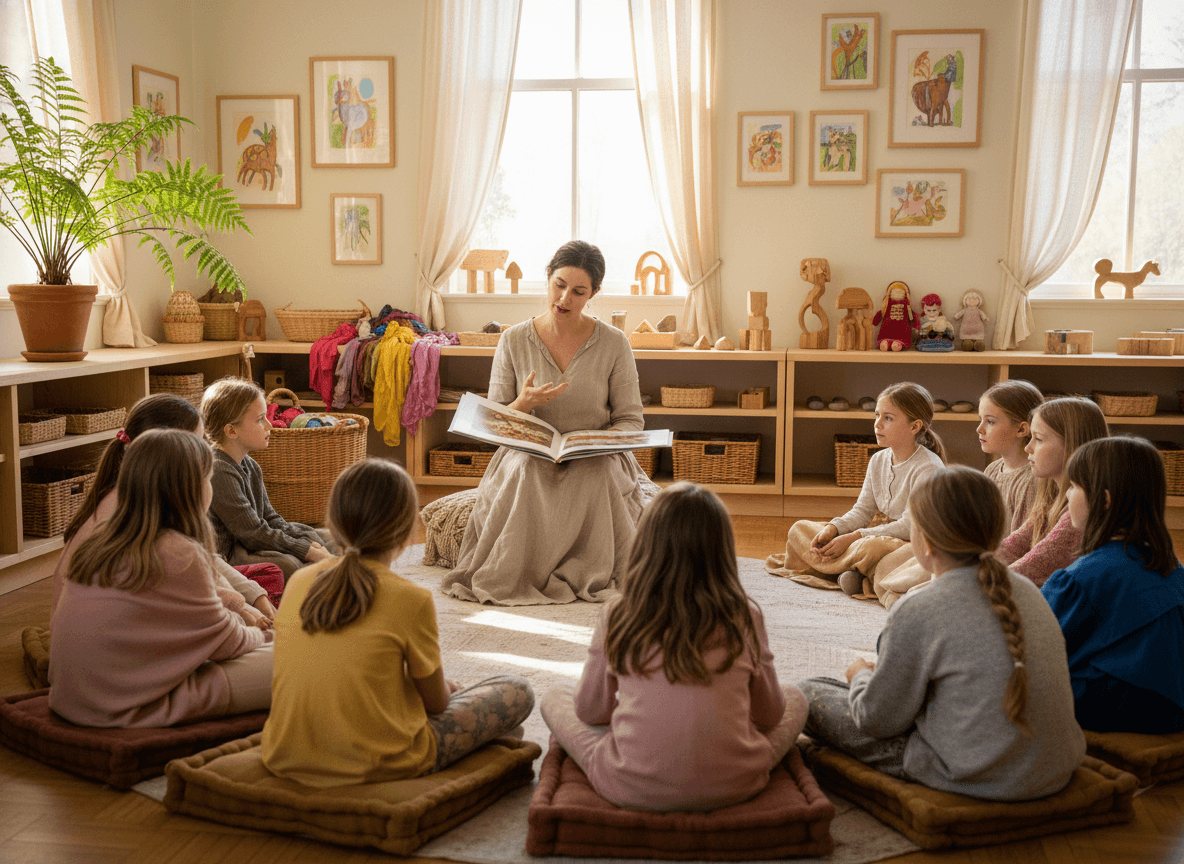
Waldorf schools attract families who have done serious research. By the time a child enrolls, most parents have read about Rudolf Steiner, watched videos of main lesson blocks, and talked to families already in the school. They arrive committed. But they also arrive with questions that will only emerge once their child is actually in the classroom: why no reading instruction in first grade, why handwork for boys and girls both, why seasonal festivals instead of Halloween parties, why a technology policy that bans screens until middle school.
The Waldorf newsletter is where these questions either get answered proactively or fester into doubt. Here is how to use it well.
Communicating Curriculum Philosophy Without Being Preachy
The temptation in Waldorf communication is to explain the philosophy constantly, to cite Steiner, to use Waldorf-specific terminology that parents may not know, and to frame every curriculum choice as a response to the failures of conventional schooling. This approach backfires. It sounds defensive. It alienates families who are on board with the education but not looking for a philosophy seminar.
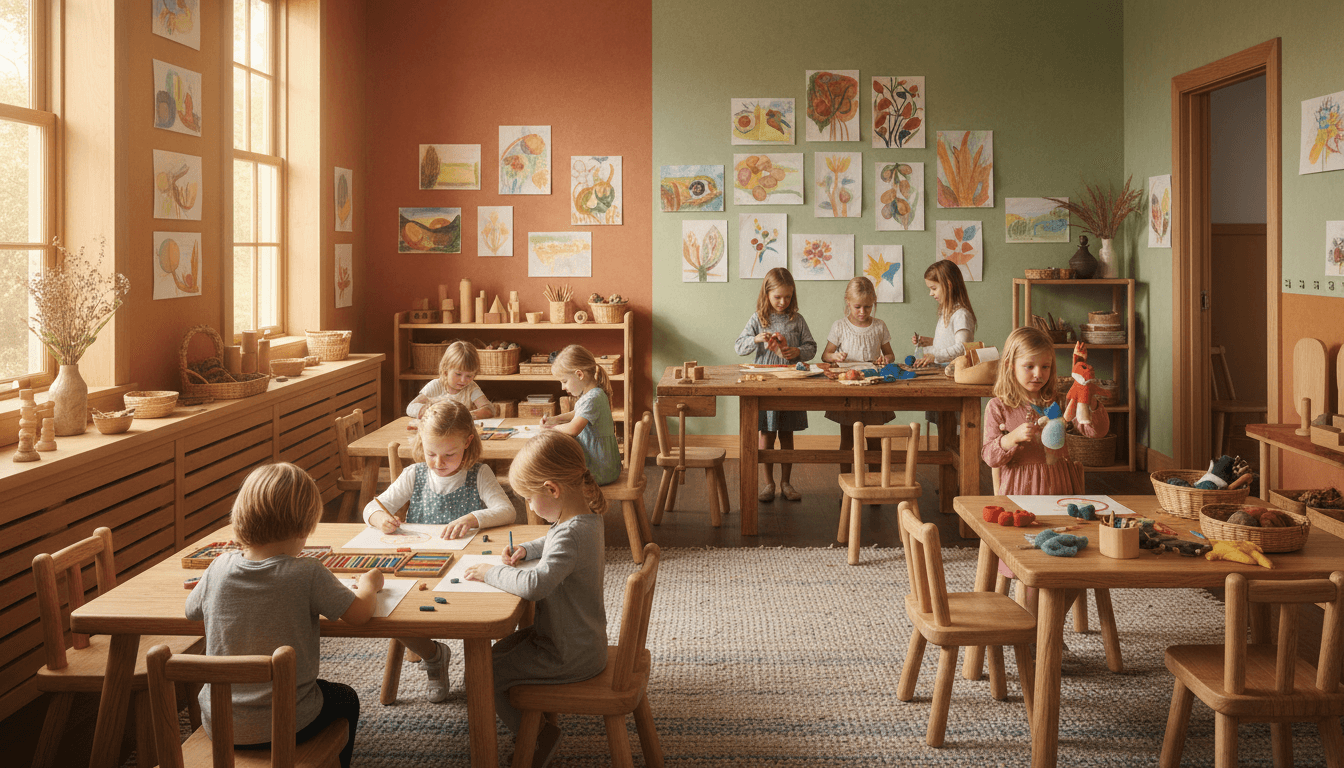
The better approach is to show the curriculum in action. What did the third grade do in their house-building block this month? What did the children make, what skills did they practice, what did they observe? A newsletter that shows real work from real children is more persuasive than any philosophical explanation.
Seasonal Rhythms and Festival Communication
Waldorf schools organize the school year around seasonal festivals: Michaelmas in autumn, Advent in winter, Candlemas in early spring, and various others depending on the school. These festivals are central to the school's communal identity and often unfamiliar to new families.
The newsletter should begin preparing families for each festival several weeks in advance. Explain what the festival celebrates, what the children will do, what families can expect to see at the festival gathering, and how the festival connects to the season and the developmental stage of the children celebrating it. Families who understand what is happening participate more fully and find more meaning in it.
For families from non-European cultural backgrounds, or from traditions where some of the festivals have Christian roots, acknowledge this directly when relevant. Most Waldorf schools adapt festival content to be broadly accessible. Making that adaptation explicit in the newsletter reassures families who might otherwise wonder if the school's seasonal cycle is aligned with their own values.
What Skeptical New Families Need to Understand
New Waldorf families often arrive with at least one skeptical partner, grandparent, or friend who thinks the school sounds strange. The newsletter can help parents communicate what their child is experiencing to the people in their life who are asking hard questions.
Concrete, specific content helps. "This week the fifth grade completed their introduction to ancient India through a two-week main lesson block. They wrote in their main lesson books, illustrated the epic of the Ramayana, and practiced the movements of the culture's traditional storytelling." That description can be shared with a curious grandparent. Abstract philosophy cannot.
Handwork and Artistic Integration
Handwork, which includes knitting, woodworking, sewing, and other craft disciplines, is one of the most distinctive and frequently questioned aspects of Waldorf education. Parents whose children are learning to knit in first grade want to know why.
The newsletter is the right place to explain the developmental rationale for handwork, specifically how fine motor development, bilateral coordination, pattern recognition, and sustained attention are all built through craft in ways that prepare the hands and mind for writing, mathematics, and musical instrument playing. Explaining this once per year in a focused section is worth the space.
Technology Policy Communication
Waldorf schools that restrict screen use at home, as well as at school, need to communicate this policy clearly and revisit it when cultural pressure around screens intensifies. As artificial intelligence tools become more common in academic contexts, families will have new questions about where the school stands.
Frame the technology policy in positive developmental terms rather than as a list of prohibitions. Explain what children do with the time that screens would otherwise occupy: outdoor play, imaginative games, crafts, reading aloud. Families who understand the rationale enforce the policy more consistently and with less resentment.
No Standardized Tests: Addressing the College Question
For Waldorf middle and high school parents, the absence of standardized testing raises an immediate practical concern: how will my child get into college? The newsletter should address this at least once a year with concrete information, not reassurance.
Include data on where Waldorf graduates go, how they perform in college, and what preparation the high school offers for the SAT, ACT, and college application process. Families who see evidence of successful college outcomes are far less likely to pull their child out of Waldorf for a more "college prep" environment in ninth grade.
Consistency and Tone
Waldorf newsletters work best when they have a warm, unhurried quality that reflects the school's values. Urgent, transactional language feels out of place. At the same time, the newsletter needs to be actually useful: dates, deadlines, and logistics belong there alongside the narrative content.
Using Daystage to maintain a consistent format across classroom and school-wide newsletters ensures that families receive information in a predictable structure even when the content changes with the seasons. For Waldorf schools where rhythm and predictability are core educational values, that structural consistency in communication is genuinely aligned with the school's approach.
Get one newsletter idea every week.
Free. For teachers. No spam.
Frequently asked questions
When should Waldorf schools address the college preparation question in their newsletters?
Address it at least once a year for middle and high school families, proactively, not in response to a withdrawal conversation. Include concrete data on where Waldorf graduates go and how they perform in college. Families who see evidence of successful outcomes are far less likely to transfer their child to a more conventional environment in ninth grade.
What should a Waldorf school newsletter include to explain the curriculum without sounding defensive?
Show the curriculum in action. What did a specific class do in their current main lesson block? What did children make, observe, or practice? A newsletter that describes real work from real children is more persuasive than any philosophical explanation of why Waldorf methods work. Concrete content also gives parents something they can share with skeptical family members.
How should Waldorf schools communicate seasonal festivals to families, especially new ones?
Begin preparing families several weeks before each festival, explaining what it celebrates, what children will do, and how it connects to the season and developmental stage of the children involved. For families from non-European backgrounds or traditions where some festivals have Christian roots, acknowledge adaptation directly. Families who understand what is happening participate more fully.
What are common communication challenges Waldorf schools face with families?
New families often arrive with skeptical partners, grandparents, or friends who think the school sounds unusual. The newsletter can help parents communicate what their child is experiencing to people in their life who are asking hard questions, but only if it contains specific, shareable content. Abstract philosophy cannot be forwarded to a curious grandparent. A specific description of a main lesson block can.
How does Daystage help Waldorf schools maintain consistent communication that reflects the school's values?
Using Daystage to maintain a consistent format across classroom and school-wide newsletters ensures that families receive information in a predictable structure even as content changes with the seasons. For Waldorf schools where rhythm and predictability are core educational values, structural consistency in communication is genuinely aligned with the school's approach.

Adi Ackerman
Author
Adi Ackerman is a former classroom teacher and curriculum writer with 8 years in K-8 schools. She writes about school communication, parent engagement, and what actually works in real classrooms.
More for Private & Charter
Private School Tuition Communication Newsletter: Communicating Fees and Payment Options Clearly
Private & Charter · 5 min read
Charter School Founder Day Newsletter: Celebrating Origin and Mission
Private & Charter · 5 min read
Faith-Based School Newsletter: Communicating School Life and Mission to Families
Private & Charter · 7 min read
Ready to send your first newsletter?
3 newsletters free. No credit card. First one ready in under 5 minutes.
Get started free