

Private School Upper School Newsletter: Communication for Families of High School Students
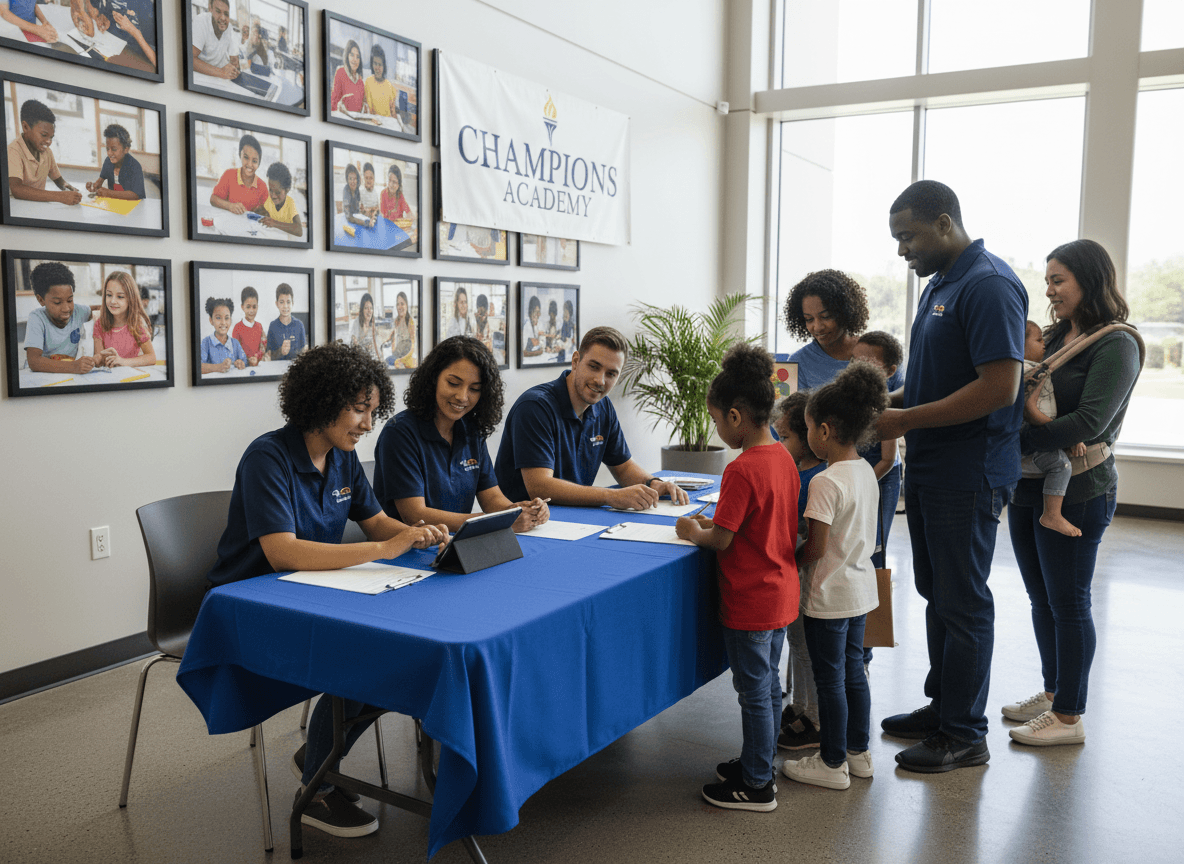
Families of upper school students often feel the school communication pulling them in two directions: toward more involvement because the academic stakes are high, and toward less involvement because their student needs to develop independence. The upper school newsletter should navigate this tension honestly, giving families the information they need while respecting the student's growing ownership of their own experience.
The Upper School Academic Environment
Describe the academic rigor and expectations of the upper school program. Upper school students manage more work, more complexity, and more independent learning than at any earlier stage. This is intentional preparation for the demands of college. Families who understand this context are better positioned to support their student through difficult stretches without rescuing them from the productive struggle that builds capacity.
Note the primary academic contacts: the advisor, the dean of students, and department chairs. Families who need to discuss an academic concern should know their entry points.
Course Selection and Academic Planning
Explain the course selection timeline and process. When does it happen? Who participates? What is the graduation requirement framework? What advanced courses are available and what are the prerequisites? Families who understand the system can have better conversations with their students about academic ambition, realistic challenge level, and building toward their specific interests.
Address the common tension between academic challenge and student wellbeing. A schedule that maximizes AP and advanced courses at the cost of sleep and extracurricular engagement is not optimal preparation for college. Give families the framework to think about course load thoughtfully.
College Preparation Milestones
Give a clear calendar of college preparation activity by year. Ninth grade: establishing academic habits and exploring interests. Tenth grade: beginning to form a list of potential college types and characteristics. Eleventh grade: standardized testing, college research, campus visits. Twelfth grade: applications, financial aid, enrollment decisions.
Name the college counseling resources available and when students begin using them. Families who know the school's college counseling timeline do not need to hire outside counselors prematurely or manage the process themselves.
Extracurricular and Leadership Opportunities
List the clubs, teams, activities, and leadership programs available in upper school. Name any new offerings or changes from prior years. Families of incoming ninth graders especially need this information as their students build their extracurricular profiles.
Supporting Your Upper School Student
Give families practical guidance on supporting a high school student without undermining their development. Be available for conversation without managing every detail. Let them manage their own academic relationships. Attend events where their presence matters to their student. Take stress seriously without problem-solving immediately. These are simple practices that reflect the upper school's developmental goals.
Get one newsletter idea every week.
Free. For teachers. No spam.
Frequently asked questions
What should a private school upper school newsletter communicate to families?
The academic calendar and key deadlines, college preparation milestones by year, how course selection works and when it happens, what extracurricular and leadership opportunities are available, how the dean of students supports upper school students, and how families can support their teenager's growing independence while staying appropriately involved.
How much should parents be involved in a private school upper school student's academic life?
Upper school students are developing the self-management and advocacy skills they will need in college and beyond. The school expects students to manage their own academic responsibilities, seek help when needed, and communicate with teachers directly. Families serve as a support system and a sounding board, not as intermediaries in academic relationships. The newsletter should articulate this expectation clearly.
How do private upper schools handle course selection?
Course selection in private upper schools typically involves the student, their advisor, and the family. Students at different grade levels have different requirements and elective options. AP, IB, honors, and standard-level courses are offered across subjects. The newsletter should describe when the selection process happens, who is involved, and how families can support their student through it.
What college preparation support does a private upper school provide?
Most private upper schools provide dedicated college counseling, including individual counseling relationships that begin in tenth or eleventh grade, school-wide college preparation programming, transcript and recommendation support, and alumni connections. The newsletter should describe these services and when families and students should begin engaging with them.
How does Daystage help private schools communicate with upper school families?
Upper school deans, directors, and college counselors use Daystage to send targeted communications to grade-level groups within the upper school division. The platform supports grade-specific college preparation communications, athletic and academic event announcements, and division-wide updates in a consistent professional format.

Adi Ackerman
Author
Adi Ackerman is a former classroom teacher and curriculum writer with 8 years in K-8 schools. She writes about school communication, parent engagement, and what actually works in real classrooms.
More for Private & Charter
Private School Arts Program Newsletter: Communicating the Value of Arts Education
Private & Charter · 5 min read
Private School Summer Bridge Program Newsletter: Preparing Incoming Students for a Strong Start
Private & Charter · 5 min read
Charter School Enrollment Newsletter: How to Communicate Enrollment Season to Families
Private & Charter · 6 min read
Ready to send your first newsletter?
3 newsletters free. No credit card. First one ready in under 5 minutes.
Get started free