

Boarding School Newsletter: Communicating With Parents of Residential Students
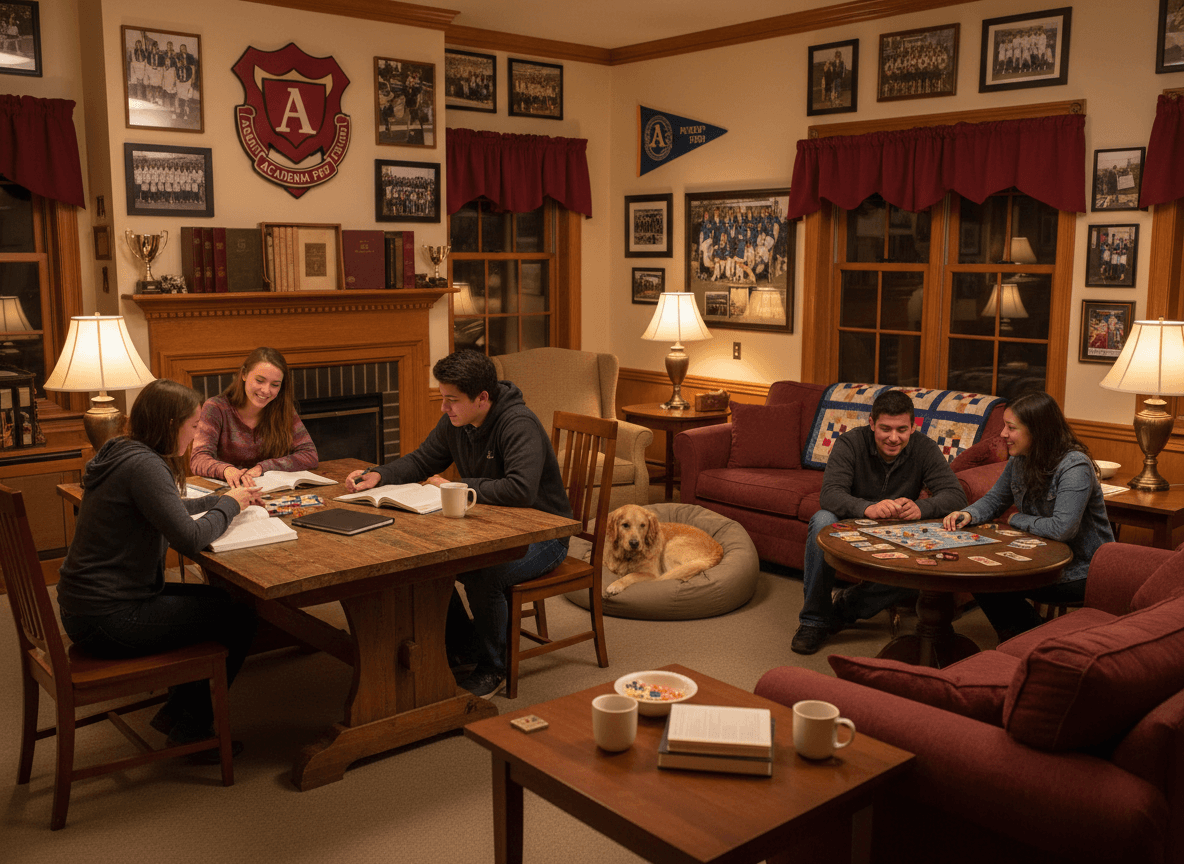
Boarding school parents gave their child's daily care to an institution. That is not a small thing. It takes significant trust, and it generates a level of parental anxiety that day school parents simply do not experience. A parent whose child sleeps at school every night needs more than logistics from the newsletter. They need evidence, week after week, that the school sees their child as a person, not a student number in a dormitory.
Boarding school newsletter communication is the ongoing proof of that care. When it is done well, it sustains trust through the inevitable hard moments of residential life. When it is poor, every difficult moment becomes a crisis of confidence in the institution.
Student Wellness: What Boarding Parents Most Need to Hear
The single most important thing boarding school newsletters communicate is that students are well. Not just academically. Physically, emotionally, and socially. Parents who chose boarding school made a specific trade-off: their child gains independence, academic excellence, and a lifelong peer community, but the parent gives up daily visibility into how their child is doing.
Address wellness explicitly and regularly. What does dorm life look like right now? What activities are students choosing in their free time? What is the health center seeing in terms of seasonal illness? What is the school doing around stress management during exam periods? These are the questions boarding parents are thinking about. The newsletter that answers them proactively earns more trust than 100 logistical updates.
Leave and Exeat Weekend Communication
Exeat weekends, the scheduled leave weekends when students go home or travel with family, require precise logistical communication. The newsletter should cover exeat dates at least six weeks in advance, dismissal times, sign-out procedures, and expectations for return.
Changes to the exeat calendar need to be communicated the moment they are confirmed, not bundled into the next weekly newsletter. Parents who have booked travel around an exeat date need to know immediately if anything changes. For international boarding families managing flights and travel logistics, even small date changes have large practical consequences.
The newsletter should also explain the process for requesting non-standard leave, the approval timeline, and who the parent contacts. Unclear leave procedures are a consistent source of frustration in boarding school communities.
Health Center Updates
When a student is treated at the health center for anything beyond a minor complaint, the parents should be contacted directly. But the newsletter can communicate broader wellness information that helps parents understand the health environment their child is living in.
When seasonal illness is circulating through dormitories, acknowledge it. Explain what the school is doing: cleaning protocols, isolation procedures for sick students, and how the health center is managing the situation. Parents who read about a viral outbreak in the dormitory from another parent rather than from the school lose trust in the institution's transparency immediately.
Academic Progress Communication
Boarding school parents are often more distant from their child's academic life than day school parents. They cannot observe how much their child is studying, ask about homework at dinner, or notice when grades begin to slip. The newsletter needs to fill this gap by providing regular academic updates at a school-wide level.
Exam and assessment calendars, study hall schedules, tutoring resource availability, and faculty office hours should all be communicated clearly and updated when they change. Parents who understand the academic rhythm of the school are better partners when their student is struggling.
Homesickness: How to Frame It in the Newsletter
Homesickness is universal in residential schools, especially for new students in the first weeks of school. How the newsletter addresses it matters. Dismissing it, "students adjusted quickly and are loving school life," is not honest. Catastrophizing it creates alarm. The right frame: normalize it, explain what the school does to support students through it, and give parents specific guidance on how to help from a distance.
A single newsletter section in September and October addressing the first-semester adjustment curve, what signs indicate normal homesickness versus something that needs more attention, and who parents should call when they are worried does more for boarding community trust than six months of upbeat newsletter content.
Communication Frequency and Format
Most boarding schools find that weekly communication is the right cadence for the school-wide newsletter. Dormitory-specific newsletters or faculty updates may run on a different schedule, but the all-parent communication should be weekly during the school term and at least monthly during term breaks when students are still enrolled.
Boarding parents, many of whom are traveling internationally for work, need the newsletter to be reliably delivered and easy to read on a phone. Using a platform like Daystage ensures that photos and updates display properly across devices, and that parents who access the newsletter in different time zones and on different devices have the same experience. Consistent delivery at the same time each week builds a reading habit that means parents are not missing updates.
The Emotional Needs of Boarding Parents
Finally, acknowledge what boarding parents are going through. Not in a sentimental way that sounds performative. But in a newsletter that takes seriously the emotional texture of having a child living away from home. The school that shows it understands the parent's experience, not just the student's, builds the kind of loyalty that sustains enrollment through difficult periods and generates the word-of-mouth referrals that fill waiting lists.
Get one newsletter idea every week.
Free. For teachers. No spam.
Frequently asked questions
When should boarding schools communicate exeat weekend details to families?
Exeat dates and logistics should appear in the newsletter at least six weeks before each leave weekend, and any changes must go out immediately, not in the next regular issue. Parents who have booked international flights around an exeat schedule cannot absorb a late change. For boarding schools with a significant international family population, even minor date adjustments have real travel consequences.
What should a boarding school newsletter include that a day school newsletter does not?
Wellness content is the most important difference. Boarding parents gave up daily visibility into their child's physical and emotional state. The newsletter should address dormitory life, student wellness observations, health center activity during illness season, and what the school is doing around stress management during exam periods. These are the questions boarding parents are actually thinking about.
How should boarding schools communicate about student homesickness without alarming parents?
Normalize it, explain what the school does to support students through it, and give parents specific guidance on how to help from a distance. A single newsletter section in September and October addressing the adjustment curve and who parents should contact when concerned does more for community trust than six months of upbeat content that avoids the subject.
What are common communication failures at boarding schools?
The most damaging failure is institutional silence around health or wellness issues. Parents who learn about a dormitory illness outbreak from another parent rather than from the school lose trust immediately. The second most common failure is treating boarding parents the same as day school parents. The emotional stakes of residential parenting require more explicit acknowledgment than most schools provide.
What newsletter tool do boarding schools use to reach parents reliably across multiple time zones and devices?
Using a platform like Daystage ensures that photos and updates display properly across devices and that parents who access the newsletter in different time zones have the same experience. Consistent delivery at the same time each week builds a reading habit that means parents are not missing updates during the stretches when communication matters most.

Adi Ackerman
Author
Adi Ackerman is a former classroom teacher and curriculum writer with 8 years in K-8 schools. She writes about school communication, parent engagement, and what actually works in real classrooms.
More for Private & Charter
Charter School Safety Newsletter: Communicating Safety Protocols to Families
Private & Charter · 6 min read
Montessori School Newsletter: How to Explain Child-Led Learning to Families
Private & Charter · 7 min read
Private School New Family Orientation Newsletter: Welcoming and Onboarding Families Well
Private & Charter · 6 min read
Ready to send your first newsletter?
3 newsletters free. No credit card. First one ready in under 5 minutes.
Get started free