
Florida Charter School Newsletter: Communication Guide for Florida Charter Leaders
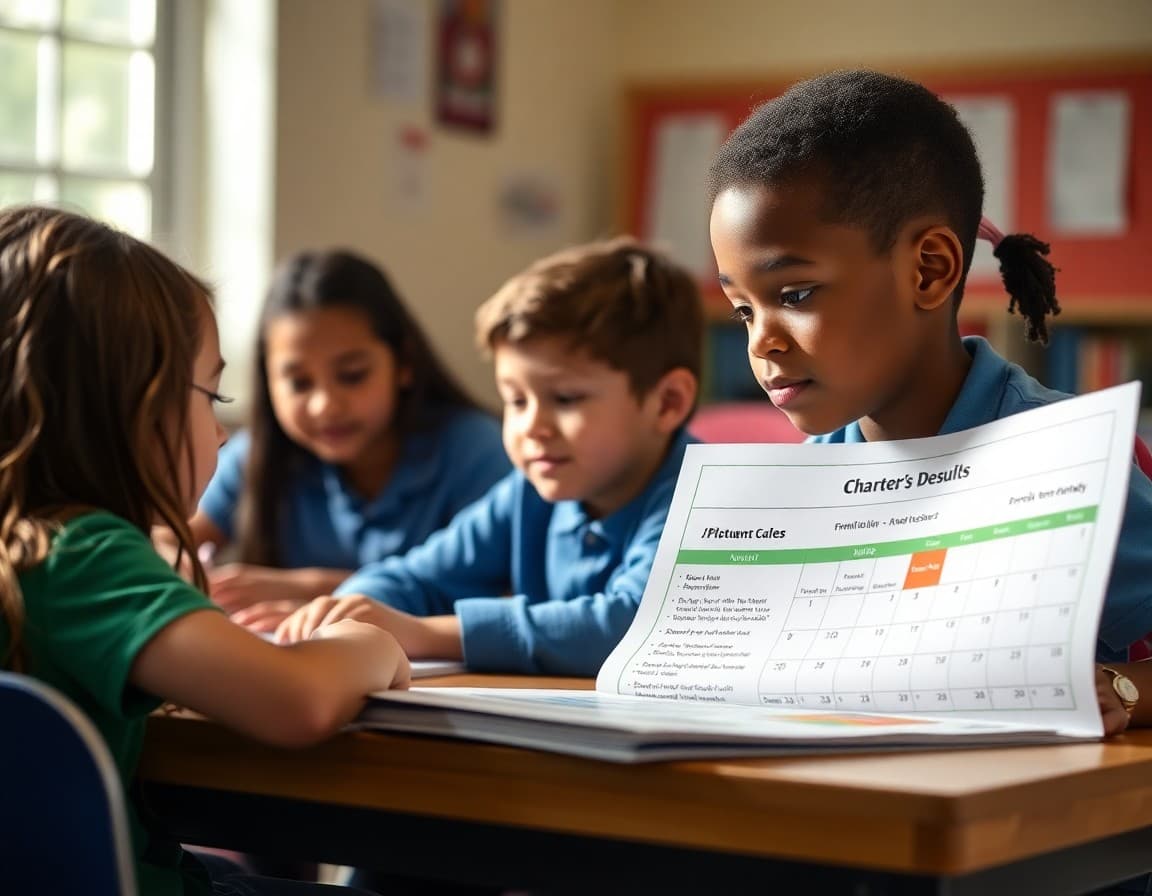
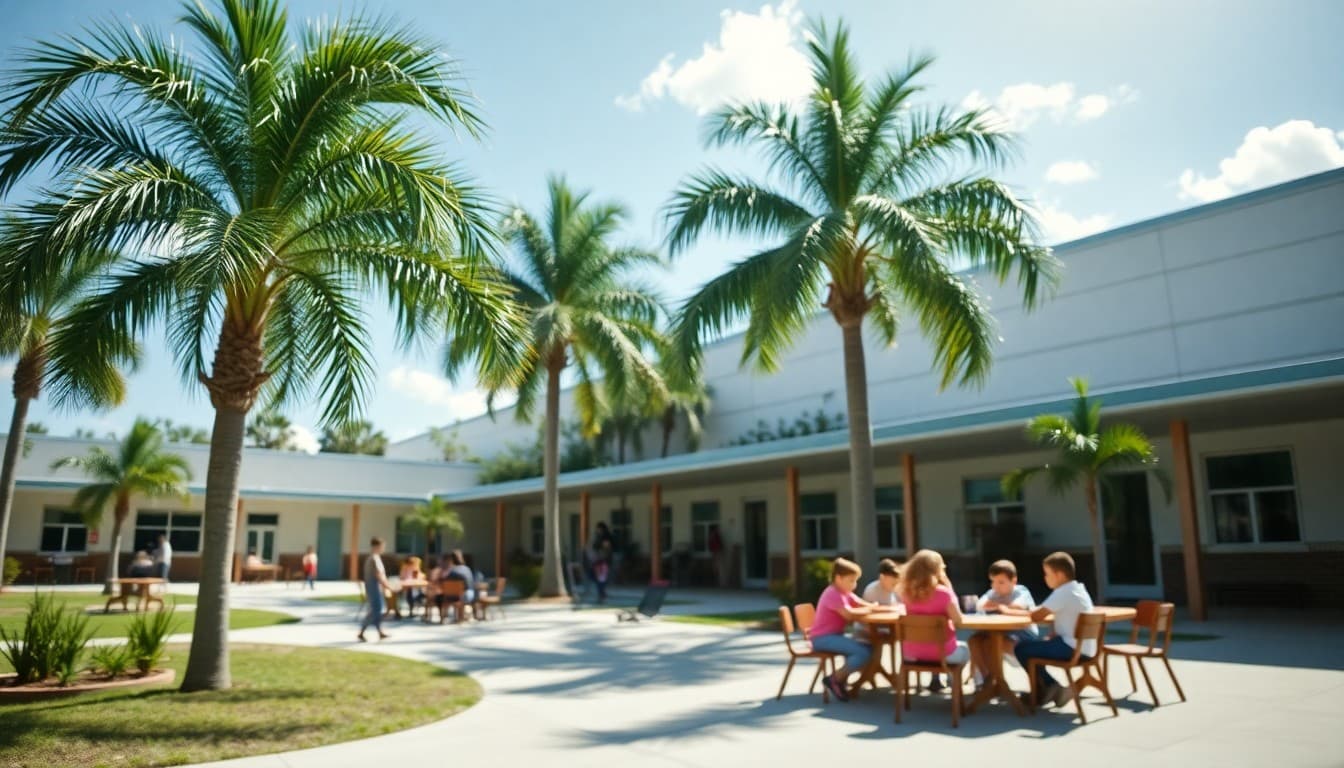
Florida has one of the most active charter school markets in the country. Families in most Florida metro areas can choose from dozens of charter schools, and many of them do switch schools between years. The charter schools that hold onto their families are not necessarily the ones with the highest test scores. They are the ones that communicate consistently, treat families as partners, and give families ongoing evidence that their enrollment choice was correct.
This guide covers what Florida charter school leaders need to build a newsletter program that retains families, supports enrollment, and communicates academic quality throughout the year.
Florida's competitive charter market demands consistent communication
In Broward County, Palm Beach County, Miami-Dade, Hillsborough, and Duval, charter school families receive marketing from competing schools regularly. Open house invitations, social media ads, and word-of-mouth referrals from other parents are constant in highly populated Florida counties. The charter school that sends a consistent, high-quality newsletter throughout the year is building a relationship that is more durable than any competitor's marketing campaign.
Florida families who feel well-informed and connected to their child's charter school are significantly less likely to respond to a competing school's open house invitation. The newsletter is not advertising. It is a relationship, and relationships are what keep families enrolled.
Connecting newsletters to Florida's school choice conversation
Florida has a robust school choice ecosystem that includes charter schools, magnet schools, private school scholarship programs, and open enrollment options. Families are aware of the choice landscape and they exercise their choices. A charter school that communicates its academic results, specific programming, and student outcomes in newsletters gives families a concrete reason to stay. Abstract claims about quality are less persuasive than specific examples of what the school is doing and what students are achieving.
Enrollment season communication in Florida
Florida charter school enrollment cycles vary by district, but most run from December through March. Current families should receive a re-enrollment notice in October or November, before the competing school marketing season begins. The re-enrollment newsletter should include the specific deadline, the steps to complete re-enrollment, and a genuine note about what the coming school year will include.
A direct re-enrollment excerpt: "Re-enrollment for next school year opens November 1. Current families hold priority through December 15. To secure your child's spot at [School Name], complete the form at [link]. If you have questions, call us at [phone]. We look forward to welcoming your family back."
Florida school grade communication
Florida assigns A-F school grades based on student performance data. These grades are published publicly and covered by local news. Charter school leaders who communicate Florida school grades proactively, with context, framing, and a response plan, control the narrative around their school's performance. Those who wait for families to encounter the grade in a news article lose that opportunity.
A school grade newsletter does not need to be defensive. An A or B grade newsletter celebrates the result and connects it to the school's instructional approach. A C or D grade newsletter acknowledges the result honestly, explains what factors contributed to it, and describes specifically what the school is doing differently this year.
Activating Florida charter family referral networks
Florida charter school families who are enthusiastic about the school are the most credible source of new applications. During lottery season, include a specific referral prompt: share this link, the application deadline is [date], here is a brief description you can forward to a friend. Florida families who believe in the school will refer if asked directly. The referral ask must be specific and easy to act on.
Handling summer communication
Florida families spend summers actively evaluating school options for the coming year. A July newsletter that previews the fall program, introduces new staff members, and describes what students can expect on the first day reduces summer anxiety and reduces the likelihood that families spend August reconsidering their enrollment. Schools that go silent in June and reappear in August lose families to the summer drift.
Building the communication program with Daystage
Florida charter school administrators who use Daystage build templates for each communication moment in the school year and reuse them annually. An enrollment season template that needs only a date update, a school grade newsletter template that structures the communication correctly, and a monthly update template that carries the school's voice reduce production time significantly. Consistent, professional newsletters sent throughout the year build the family trust that retains enrollment in Florida's competitive market.
Get one newsletter idea every week.
Free. For teachers. No spam.
Frequently asked questions
How large is Florida's charter school sector?
Florida has over 700 charter schools serving more than 350,000 students, making it one of the largest charter school markets in the country. In South Florida, Tampa Bay, and the Orlando area, families often have access to dozens of charter options within driving distance. Schools that communicate consistently and well retain families at measurably higher rates than those that do not. In Florida's competitive charter market, newsletter quality is a genuine enrollment differentiator.
When should Florida charter schools start enrollment season communication?
Florida charter school re-enrollment communication should begin in October or November, before the competing school open house season starts in January. Many Florida charter schools use a January or February application deadline for new enrollment, with re-enrollment for current families often running in December and January. Starting the conversation with current families in October, before they receive marketing from other schools, reduces passive attrition significantly.
How should Florida charter schools communicate about Florida Assessment results?
Florida school grades and assessment results are public and widely reported. Charter schools that communicate their results proactively, with context and a response plan, are perceived as accountable and trustworthy. Schools that say nothing about assessment results allow families to draw conclusions from external coverage, which rarely includes the nuance the school can provide. A results newsletter sent before external coverage begins positions the school as the authoritative source on its own performance.
What types of newsletter content are most effective for Florida charter school families?
Academic updates connected to the school's specific model, enrollment and re-enrollment deadlines, event announcements with specific logistics, staff introductions, and referral prompts during lottery season. Florida charter families in competitive markets also respond well to newsletters that compare the school's results to district averages, since many chose the charter school partly for academic reasons.
What tool do Florida charter schools use for professional family newsletters?
Daystage is used by Florida charter school administrators who want to maintain a consistent, well-designed newsletter program without needing a communications department. Templates for enrollment season, assessment results, and monthly updates mean newsletters go out on schedule throughout the year. In a market as competitive as Florida's, communication consistency translates directly into retention.

Adi Ackerman
Author
Adi Ackerman is a former classroom teacher and curriculum writer with 8 years in K-8 schools. She writes about school communication, parent engagement, and what actually works in real classrooms.
More for Private & Charter
Charter School Enrollment Newsletter: How to Communicate Enrollment Season to Families
Private & Charter · 6 min read
Charter School Academic Results Newsletter: Communicating Data and Outcomes to Families
Private & Charter · 6 min read
Charter School Community Events Newsletter: Building Connection Through Shared Experiences
Private & Charter · 5 min read
Ready to send your first newsletter?
3 newsletters free. No credit card. First one ready in under 5 minutes.
Get started free