
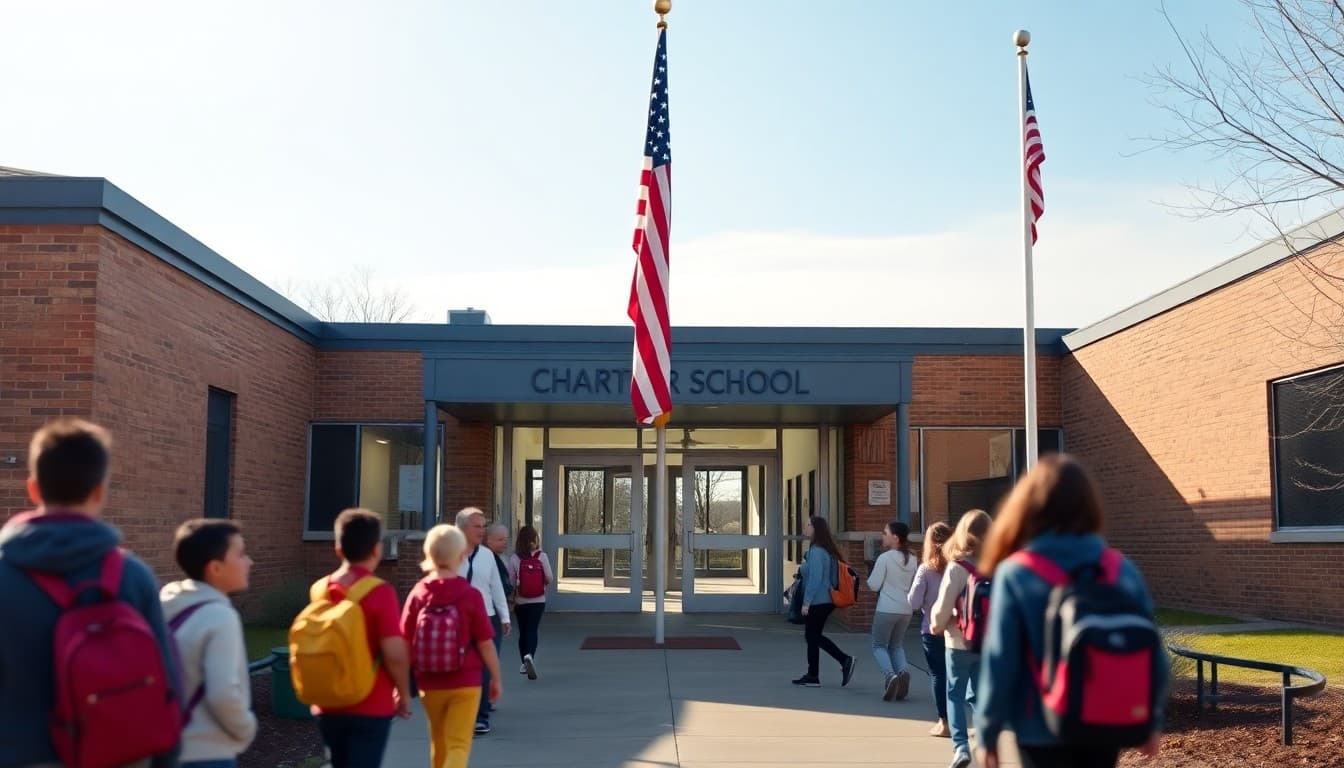
Delaware Charter School Newsletter: Communication Guide for Delaware Charter Leaders

Delaware charter schools operate in a state where education policy and school choice are actively discussed at every level. Families who enroll in charter schools have done research and made a decision. The newsletter is the primary ongoing communication channel between the school and those families, and how a school uses it shapes family confidence, engagement, and re-enrollment decisions year over year.
This guide covers what Delaware charter school leaders need to communicate effectively with families throughout the school year.
Understanding Delaware charter school family expectations
Delaware charter school families tend to be informed about the charter sector. Many of them know that Delaware charter schools are evaluated on academic performance and that results affect school renewal. They want to see that the school is aware of this accountability context and is performing confidently within it. A newsletter program that addresses academic results, program quality, and school direction demonstrates that the leadership is attentive and accountable.
The back-to-school newsletter that sets the tone
The first newsletter of the school year is the most widely read newsletter of the year. Every family opens it. Use this newsletter to introduce key staff members, describe the school year calendar, set expectations for how the school will communicate, and give families a preview of what is planned for the year. A strong back-to-school newsletter establishes the communication relationship that will carry through May.
Include logistics: drop-off and pick-up procedures, the school supply list if relevant, the first day schedule, and the best way to contact the school with questions. Families who receive answers to practical questions before they have to ask them arrive on the first day more relaxed and more confident.
Monthly newsletters that carry academic substance
Delaware charter school monthly newsletters should include at least one section that goes beyond logistics and events to describe what students are actually learning. A teacher perspective on a current unit, a description of a project students are completing, or a summary of what skills students in a specific grade are building gives families a window into classroom life that a calendar of events cannot provide.
This academic content also serves the school's mission narrative. A school that documents its instructional approach in monthly newsletters creates a cumulative record of its educational work that is available to prospective families, authorizers, and community members.
Enrollment and re-enrollment communication
Delaware charter school re-enrollment communication should begin in December for a spring re-enrollment cycle. Send the first notice with a clear deadline and specific steps. Follow up two weeks before the deadline with a reminder that includes the same information plus a note about what happens if the deadline is missed. Keep the tone warm and appreciative rather than bureaucratic.
A sample message: "Re-enrollment for next school year opens December 1. To secure your child's place at [School Name], complete the re-enrollment form at [link] before February 1. We are grateful for your continued commitment to our school community."
Referral activation during lottery season
Delaware charter school families who are enthusiastic about the school are the most credible recruiters for new applicants. During lottery season, include a specific referral ask in the newsletter: a link to the lottery application, the deadline, and a brief description families can forward. A clear, easy referral process generates more applications than a general mention that the school is accepting new applicants.
Communicating challenges honestly
When a Delaware charter school faces a challenge, whether a staffing change, a facility issue, or a dip in academic results, the newsletter is the right place to address it directly. Families who receive honest, proactive communication about challenges trust the school more than families who hear about issues from external sources. A short, clear message that acknowledges a challenge and describes the school's plan maintains credibility.
Technology that supports consistent communication
Delaware charter school administrators who use Daystage report that having templates for key communication moments, enrollment announcements, monthly updates, and academic results newsletters, reduces the time required to produce each newsletter and increases the likelihood that newsletters go out on schedule. Consistency, more than any single newsletter, is what builds the family relationship over a full school year.
Get one newsletter idea every week.
Free. For teachers. No spam.
Frequently asked questions
What is the charter school landscape in Delaware?
Delaware has a relatively small but established charter sector. Charter schools in the state are authorized by multiple entities, including the State Board of Education and local school boards. Delaware charter families often have a specific reason for choosing their school, whether an academic model, a program focus, or geographic convenience, and they expect communication that reflects that specific choice. Generic newsletters that could apply to any school build less trust with this audience.
How should Delaware charter schools communicate enrollment deadlines?
Delaware charter school enrollment communication should include the specific application or re-enrollment deadline, the exact steps families need to take, and a contact person for questions. Send the first enrollment communication at least six weeks before the deadline and follow up two weeks before. Families who miss deadlines often say they did not realize the deadline was approaching, which means the communication was not specific or persistent enough.
What makes a Delaware charter school newsletter effective?
Specific content about what is happening in the school, consistent timing, and a clear structure that families can rely on. Delaware charter school families read newsletters more carefully when each issue follows a predictable pattern: a principal note, an academic update, upcoming events, and an action item. A newsletter that delivers on this structure every time trains families to read it.
How should Delaware charter schools communicate about their academic model?
Show the model in action rather than describing it in abstract terms. A monthly section that includes a specific classroom example, a student project, or a learning outcome connected to the school's model gives families evidence that their enrollment decision is paying off. Delaware charter families who see the model working are more likely to re-enroll and more likely to refer other families during lottery season.
What newsletter tool helps Delaware charter schools communicate professionally?
Daystage is built for school newsletter communication and is used by charter school administrators who want to maintain consistent, well-designed family newsletters without needing design or technical expertise. Templates for each key communication moment in the school year mean that Delaware charter school newsletters go out on schedule even during the busiest parts of the administrative calendar.

Adi Ackerman
Author
Adi Ackerman is a former classroom teacher and curriculum writer with 8 years in K-8 schools. She writes about school communication, parent engagement, and what actually works in real classrooms.
More for Private & Charter
Charter School Enrollment Newsletter: How to Communicate Enrollment Season to Families
Private & Charter · 6 min read
Back to School Newsletter for Charter School Families
Private & Charter · 6 min read
Charter School Parent Communication Guide: Building Community Through Better Newsletters
Private & Charter · 7 min read
Ready to send your first newsletter?
3 newsletters free. No credit card. First one ready in under 5 minutes.
Get started free