
Charter School Lottery Newsletter: Communicating the Process Fairly and Clearly
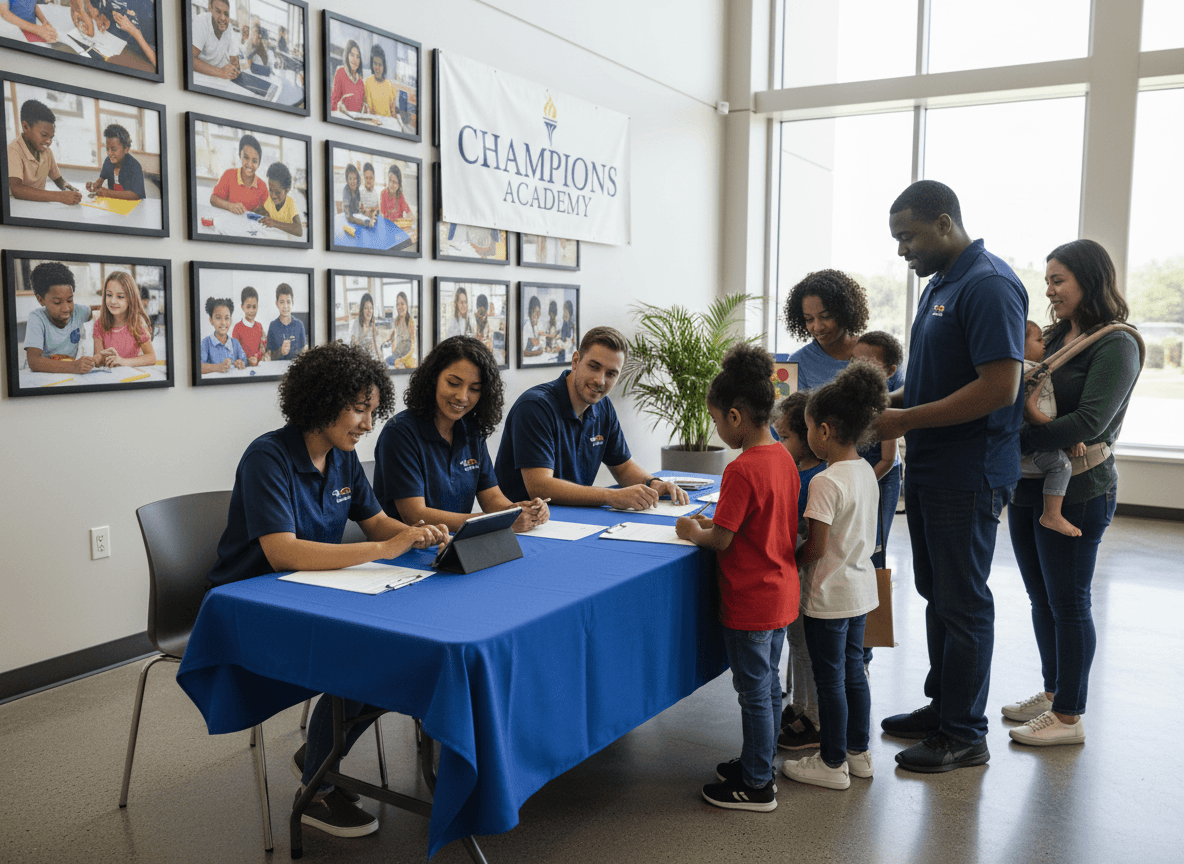
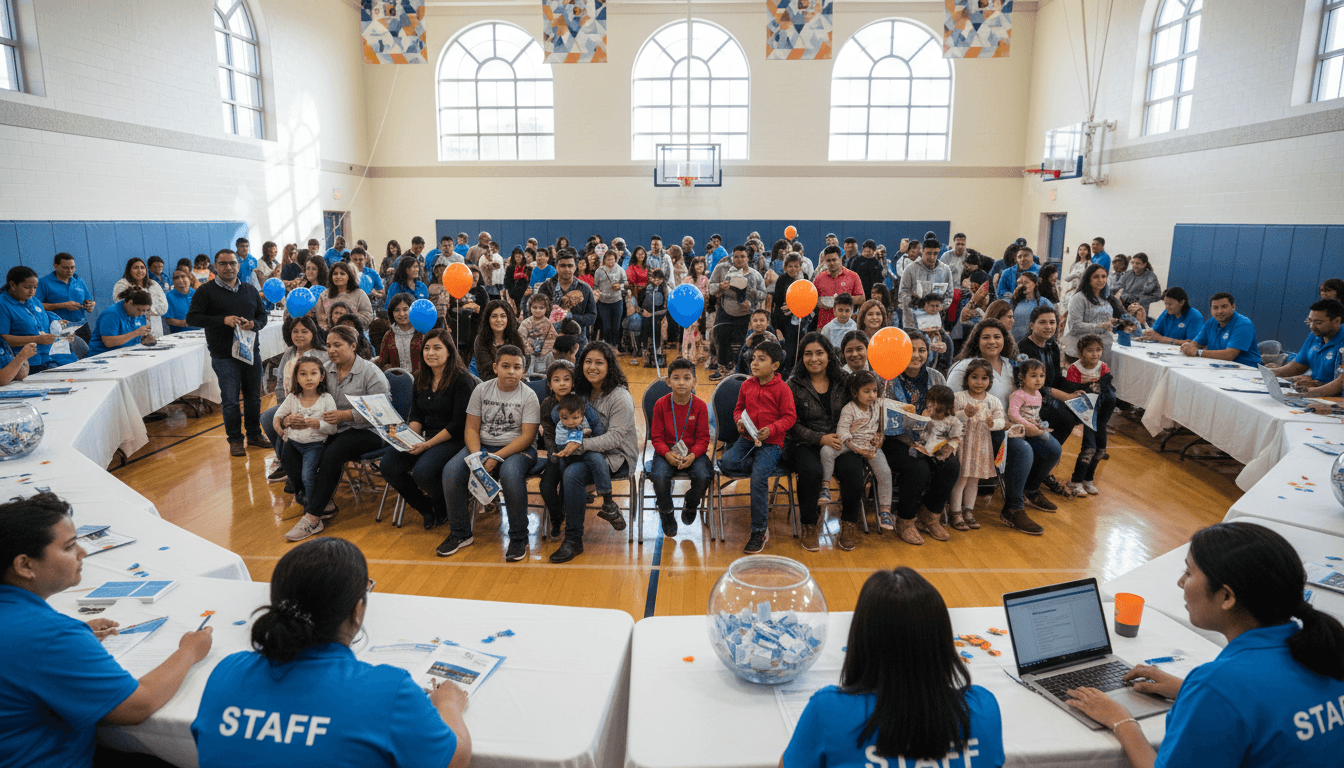
The charter school lottery is one of the most anxiety-producing events in any family's school search. Families who want a spot at your school have no control over the outcome. Their child's placement depends entirely on chance. How you communicate before, during, and after the lottery determines whether families trust the process and remain engaged, or walk away feeling confused and dismissed.
Clear lottery communication is not just good customer service. It is an equity issue. Families with less experience navigating school choice systems, often the families your charter mission is designed to serve, are the ones most likely to miss deadlines, misunderstand the waitlist, or give up when a spot becomes available. Good communication closes that gap.
What Families Need to Understand Before the Lottery
Do not assume that families who registered understand how the lottery works. Many are navigating the charter process for the first time. A pre-lottery newsletter should explain, in plain language, what will happen and when.
Cover: when the lottery will run, how winners are selected (random, weighted, or prioritized), what preferences apply such as siblings or staff children, when families will receive results, and what they should do if they receive an offer. Include the enrollment deposit deadline prominently. Families who miss the response window because they did not understand the timeline forfeit their spot. That outcome is bad for the family and bad for the school.
Lottery Day Communication
Lottery day is high-stakes for every family who registered. Your communication on and immediately after lottery day should be prompt and clear. If results go out by email, send them at a consistent time that you announced in advance. If families need to log into a portal to see results, make sure the login works before lottery day and include step-by-step instructions in the newsletter.
The lottery result notification, whether acceptance or waitlist placement, should include specific next steps. An acceptance letter that says "congratulations" without telling the family exactly what to do next and by when is incomplete. A waitlist notification that does not explain how the waitlist works leaves families in a worse position than before they opened the email.
Waitlist Communication That Maintains Engagement
Most families who land on a charter waitlist assume they have no chance and begin making alternative plans. For schools where waitlists actually move, this means families sometimes turn down offers because they have already enrolled elsewhere. Clear, ongoing waitlist communication reduces this problem.
Send a waitlist status newsletter monthly from lottery day through the start of the school year. Each update should include the current number of families ahead of them on the waitlist for their grade, any spots that have opened since the last update, and what families should do to keep their application active. Families who feel informed stay on the list. Families who feel forgotten remove themselves.
How the Waitlist Works: Make It Explicit
Many charter school waitlists are not simple first-in-first-out lists. They may be organized by grade, by preference category, or by the order of lottery registration. Most families do not know this. A newsletter section explaining exactly how waitlist movement works, what triggers an offer, and how quickly families need to respond to an offer prevents the misunderstandings that happen when a family feels they were skipped or not given enough time to decide.
Sibling Priority Communication
If your school gives lottery priority to siblings of current students, this policy needs to be communicated clearly and repeatedly. Current families often do not know they need to register siblings during the lottery window to receive priority. They assume the school knows they have a younger sibling and will handle it.
Start communicating sibling priority rules in October or November, well before lottery registration opens. Repeat it in December and again when registration opens. Include exact instructions: what to submit, where to submit it, and what confirmation families should receive. A family that misses sibling priority because they were not adequately informed is a family that may not re-enroll the older sibling.
Re-enrollment vs. New Enrollment
Current families sometimes do not understand that re-enrollment is required. They assume that their child's spot is automatically held. When a school has a formal re-enrollment window and does not communicate it clearly, it discovers in April that families who planned to return did not submit forms, and families who would have otherwise been admitted from the waitlist are not notified in time.
The re-enrollment newsletter should go out in January, with a clear deadline and instructions. Explain that spots are held only through formal re-enrollment confirmation and that missed deadlines may result in the spot being offered to a waitlisted family. Most current families will complete re-enrollment immediately once they understand the stakes.
Using Daystage for Lottery Communication
Lottery season involves sending to multiple audiences simultaneously: registered families, accepted families, waitlisted families, and current re-enrolling families. Managing these lists through a general-purpose email tool creates confusion and risks. Using a dedicated education newsletter platform like Daystage lets you maintain separate lists for each audience and send targeted communication at each stage without cross-contaminating your lists.
After the Lottery: Building Connection With New Families
Families who receive acceptance offers know very little about the school beyond what brought them to apply. The period between acceptance and first day is when you build the relationship that sustains long-term enrollment. A monthly summer newsletter for incoming families, covering school culture, faculty, traditions, and preparation logistics, reduces first-day anxiety and accelerates community connection. Schools that communicate through the summer arrive at September with families who feel like they belong before their child walks through the door.
Get one newsletter idea every week.
Free. For teachers. No spam.
Frequently asked questions
When should charter schools send lottery communication to families?
Start communicating before registration opens, not the day it does. Families navigating school choice for the first time need several weeks to understand the process, gather required documents, and meet deadlines. Build a pre-lottery newsletter into your calendar at least four to six weeks before registration opens.
What should a charter school lottery newsletter include?
Cover the lottery date, how winners are selected, what preferences apply such as sibling priority, when results will arrive, and exactly what families need to do if they receive an offer. The enrollment deposit deadline belongs in every issue, not buried in the body of one email.
How should charter schools communicate waitlist status to families?
Send a waitlist update monthly from lottery day through the start of the school year. Include how many spots have opened since the last update and what families must do to keep their application active. Families who feel informed stay on the list. Families who feel forgotten do not.
What are common challenges charter schools face with lottery communication?
The two biggest failures are assuming families understand how the process works and going silent after the lottery runs. Families without prior charter experience often miss deadlines or misread waitlist notifications. A communication gap after lottery day is where you lose the families most committed to enrolling.
Is there a tool built for managing charter school lottery communication across multiple family lists?
Daystage lets you maintain separate lists for registered, accepted, waitlisted, and re-enrolling families so you can send targeted communication at each stage without cross-contaminating your lists. During lottery season, sending the wrong message to the wrong audience creates more confusion than sending nothing at all.

Adi Ackerman
Author
Adi Ackerman is a former classroom teacher and curriculum writer with 8 years in K-8 schools. She writes about school communication, parent engagement, and what actually works in real classrooms.
More for Private & Charter
Montessori School Newsletter: How to Explain Child-Led Learning to Families
Private & Charter · 7 min read
Private School Middle School Newsletter: Navigating the Transition Years With Families
Private & Charter · 5 min read
Charter School Athletics Program Newsletter: Communicating Sports, Competition, and Student Participation
Private & Charter · 5 min read
Ready to send your first newsletter?
3 newsletters free. No credit card. First one ready in under 5 minutes.
Get started free