
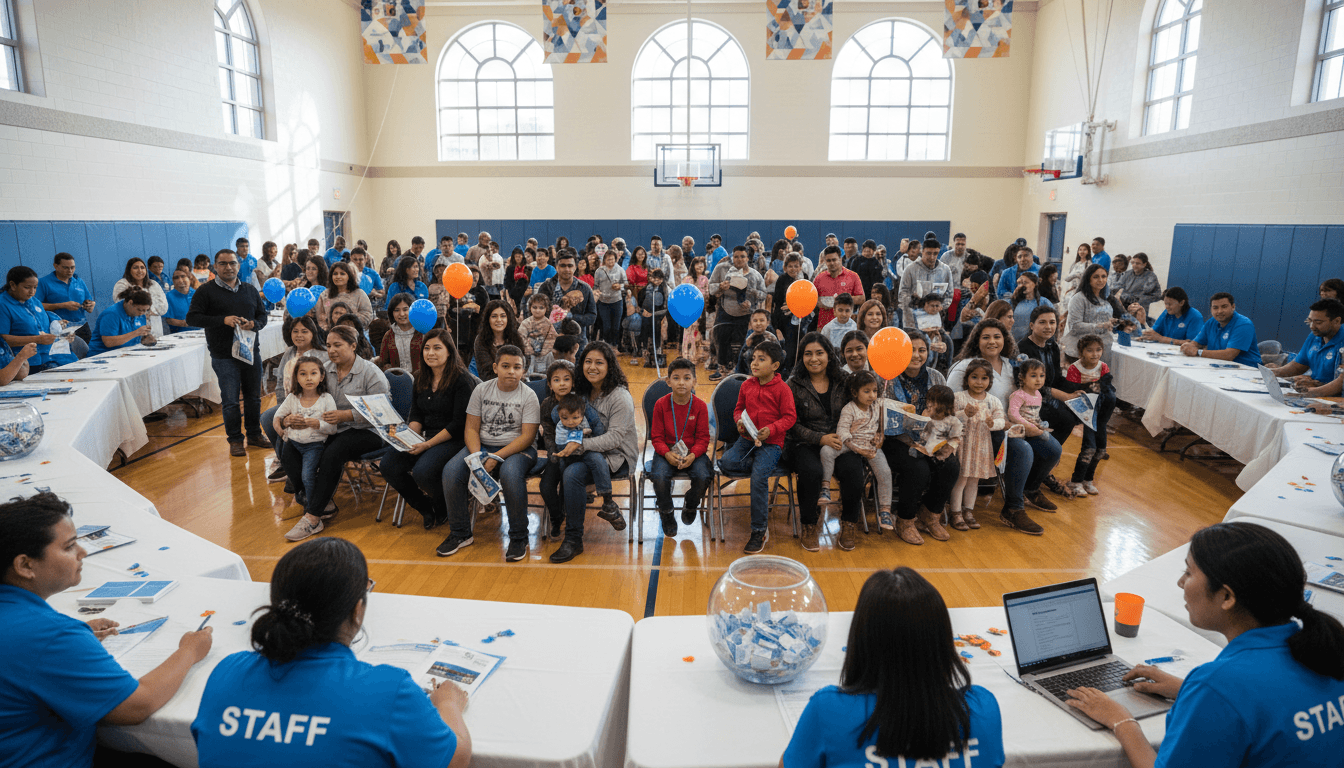
Charter School Lottery Announcement Newsletter: Communicating Admissions Lottery Results and Process
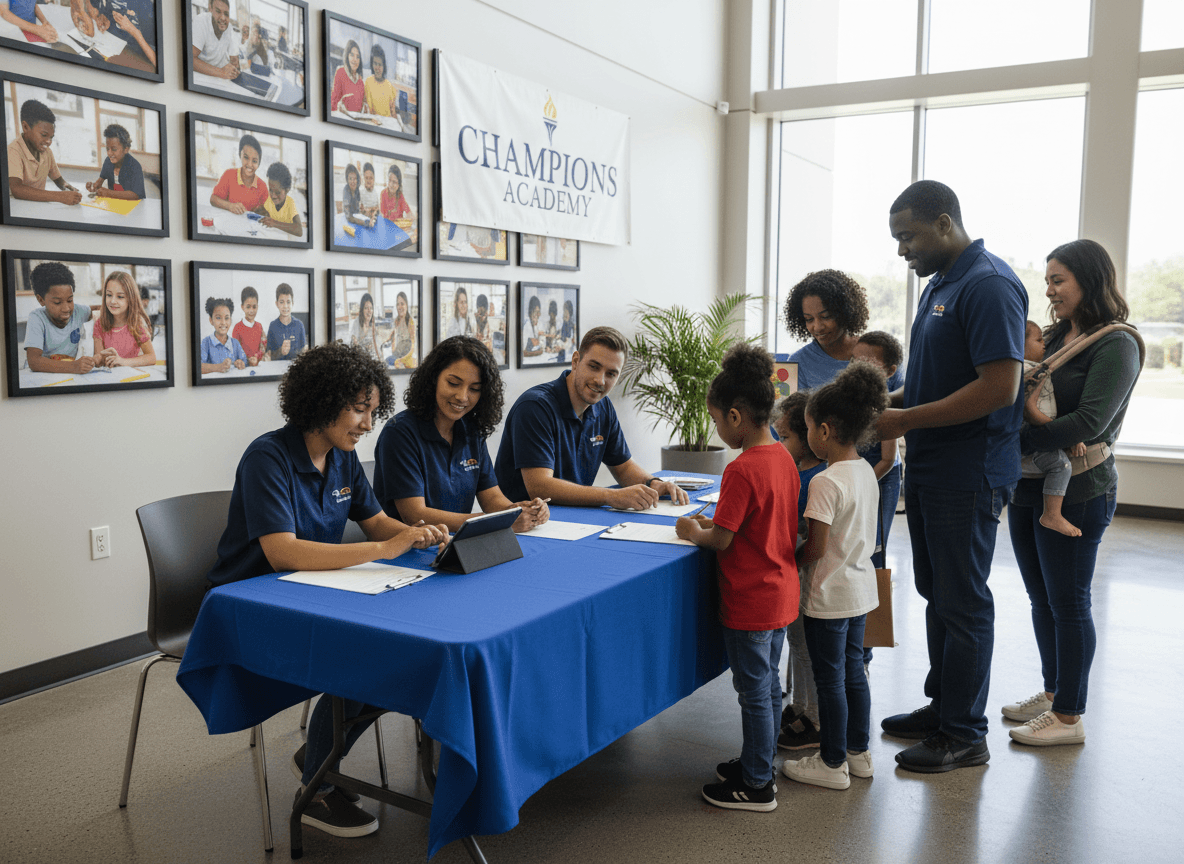
The charter school lottery is the most high-stakes communication event in the admissions calendar. Families who applied with hope and whose children may or may not receive a seat are reading every communication during this period looking for reassurance that the process is fair, that their family will be treated respectfully regardless of the outcome, and that they understand what their options are.
This guide covers how to write lottery announcement newsletters that communicate the process transparently, manage expectations honestly, and maintain the trust of all applicant families, both those admitted and those placed on the waitlist.
The pre-lottery process explanation
Three weeks before the lottery, send a detailed explanation of how the lottery will be conducted. This is not the results communication. It is the process communication that makes results communication credible.
Cover: how names are entered (one application per family, per grade level), whether any sibling or geographic preference categories exist and the legal basis for them, how the lottery is conducted (publicly, with a third-party facilitator, randomly by computer), when and how results will be communicated, how the waitlist is ordered, and how families can ask questions.
Families who understand the process before it happens cannot claim afterward that they were surprised or that the process was opaque.
The results communication: balancing celebration and dignity
The lottery results newsletter should acknowledge two audiences simultaneously: families who are admitted and families who are waitlisted. Both deserve communication that treats them with respect and gives them clear next steps.
For admitted families: congratulations, enrollment deadline, required documentation, and a welcome to the community. For waitlisted families: honest information about their position, what the waitlist movement history looks like, and how they will be contacted when a seat opens. Both communications can go out in the same newsletter as separate sections, or as parallel communications sent to different lists.
Managing waitlist communication honestly
Waitlist communication that says only "you are on the waitlist and we will contact you if a space opens" fails the families who received it. They cannot plan. They cannot evaluate their alternatives. They cannot understand whether they should accept another school's offer.
A better approach: tell families their approximate position on the waitlist, share historical movement data if the school has multiple years of experience, and set a clear date by which families will receive a final update. Families who have specific information, even if it is difficult, are better equipped than families who are waiting for an undefined outcome.
Post-lottery enrollment follow-up
Admitted families who have not completed enrollment by the deadline need a reminder that their seat will be offered to the next family on the waitlist if they do not act. A clear, direct reminder sent one week before the enrollment deadline, with the specific steps to complete enrollment, protects the school's fill rate and respects the waitlisted families who are counting on attrition from the admitted pool.
Get one newsletter idea every week.
Free. For teachers. No spam.
Frequently asked questions
When should charter schools communicate lottery procedures to families before the lottery occurs?
At least three weeks before the lottery date. Families who understand how the lottery works before it happens are less likely to feel that the process was arbitrary or unfair if they are not selected. The pre-lottery communication should explain how names are drawn, whether any preference categories exist and why, how the waitlist works, and what families can expect in terms of notification. Transparency before the event reduces complaints after it.
What should a charter school lottery results newsletter include?
Whether the lottery was conducted fairly (by a third party or at a public event), how many applications were received versus seats available, notification timeline for admitted and waitlisted families, what the waitlist process looks like and how families can check their waitlist position, the enrollment deadline for admitted families, and a contact for questions. Families who receive this information feel that the process was handled with integrity even if the outcome was not what they hoped.
How should charter schools communicate with families who are placed on the waitlist?
With honesty about their prospects, promptly after the lottery. A waitlist communication that says 'historically, X percent of waitlisted families receive an offer before the start of school' is more useful than a vague 'we will be in touch if a spot opens.' Families who have a realistic sense of their prospects can plan accordingly rather than remaining in uncertain limbo through the spring.
How should charter schools communicate when the lottery results in significantly more applications than seats?
With transparency about the demand and gratitude for the interest. A newsletter that says 'we received three applications for every available seat this year, which reflects the community's confidence in our program, and we are working with our authorizer to expand capacity' turns a constrained lottery into a mission-affirming communication. Demand that exceeds supply is a strength signal when communicated well.
How does Daystage help charter schools manage lottery communication from announcement through enrollment?
Daystage lets you build the full lottery communication sequence in advance: the pre-lottery process explanation, the results notification, the waitlist communication, and the enrollment deadline reminder. Each template is updated with the specific numbers and dates. The sequence delivers a consistent, professional experience to all applicant families regardless of which staff member is managing the process.

Adi Ackerman
Author
Adi Ackerman is a former classroom teacher and curriculum writer with 8 years in K-8 schools. She writes about school communication, parent engagement, and what actually works in real classrooms.
More for Private & Charter
Charter School Parent Communication Guide: Building Community Through Better Newsletters
Private & Charter · 7 min read
Montessori Curriculum Newsletter: Explaining the Method to Families Who Are New to It
Private & Charter · 6 min read
Private School International Program Newsletter: Communicating Global Learning to Families
Private & Charter · 5 min read
Ready to send your first newsletter?
3 newsletters free. No credit card. First one ready in under 5 minutes.
Get started free