
Charter School Founder Day Newsletter: Celebrating Origin and Mission
Charter schools are founded for reasons. A specific community that was underserved. A model that a group of educators believed in deeply. A problem in the existing system that demanded a different response. Over time, as the founding cohort moves on and new families join, those founding reasons can fade from the community's active consciousness.
Founder Day is the annual moment when the school deliberately reconnects its community to its origin story. A well-written Founder Day newsletter does what daily school life does not: it asks why this school exists and makes the answer present for everyone who reads it.
Why origin stories build institutional resilience
Charter schools that face authorizer challenges, enrollment pressures, or community conflict navigate those moments better when their community has a strong shared understanding of what the school is for. Families who know the founding story and believe in the founding mission are more likely to speak up on the school's behalf, less likely to leave when things are difficult, and more generous with both time and resources.
The annual Founder Day newsletter is not nostalgia for its own sake. It is community-building infrastructure.
Telling the founding story with specificity and honesty
The founding stories that build lasting connection are the ones that are specific, honest about the difficulties, and respectful of everyone who contributed. A founding story that describes the founding principal's specific vision, the families who believed in it before there was any evidence it would work, and the obstacles that had to be overcome to open the doors is far more powerful than a sanitized institutional narrative.
Include: the moment the idea became serious, the community need the school was responding to, who the earliest believers were, what the first year looked like, and how the school today compares to what the founders imagined. Specific names, specific moments, and honest acknowledgment of difficulty produce the authenticity that generic anniversary communications lack.
Connecting the founding vision to current school practice
The most compelling Founder Day newsletter does not just retell the past. It connects the founding vision to what students and teachers are doing today. A sentence from the current principal or executive director connecting the founder's original vision to a specific current practice or program demonstrates that the mission is alive, not preserved in amber.
Recognizing founding families and early staff
Families who were in the first cohort, teachers who taught the first students, and board members who took on the risk of the founding deserve specific recognition in the Founder Day newsletter. Even families who are no longer enrolled at the school feel a connection when they see their names in the annual anniversary communication.
The anniversary event invitation
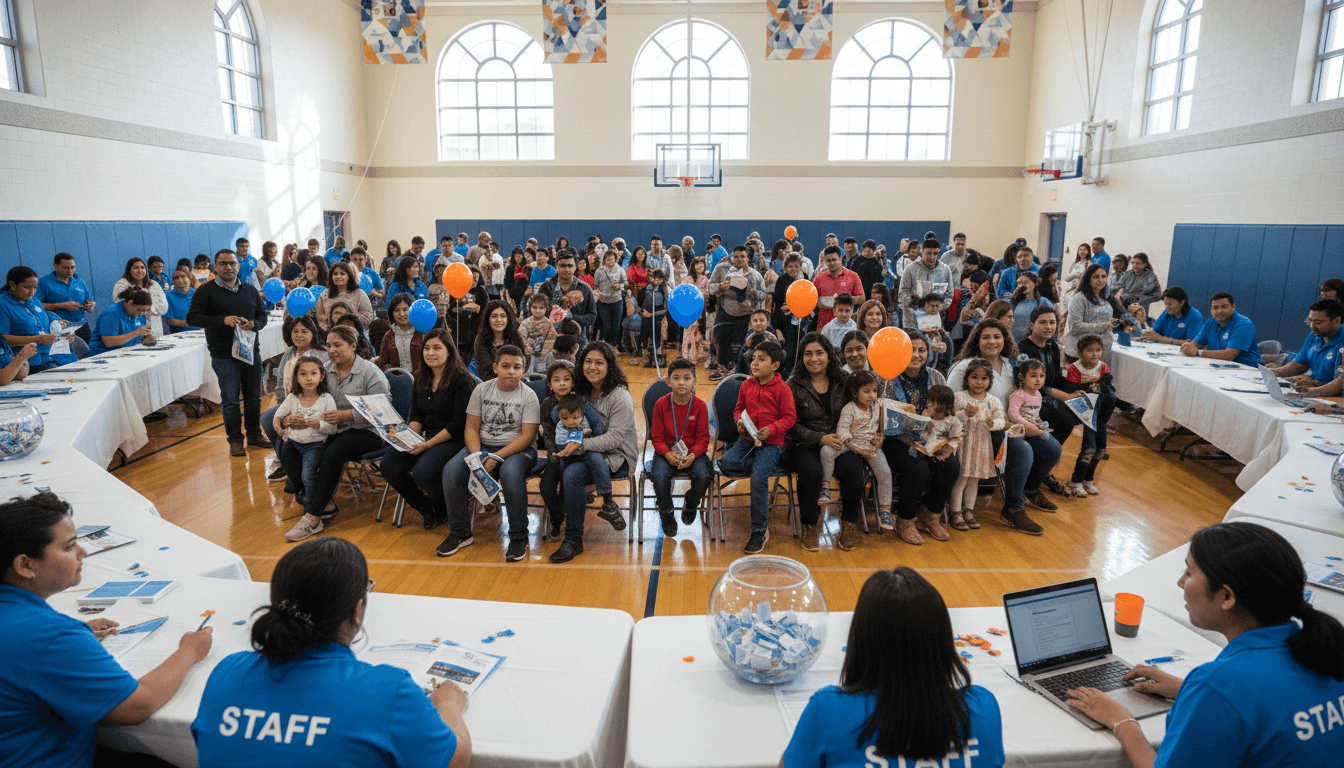
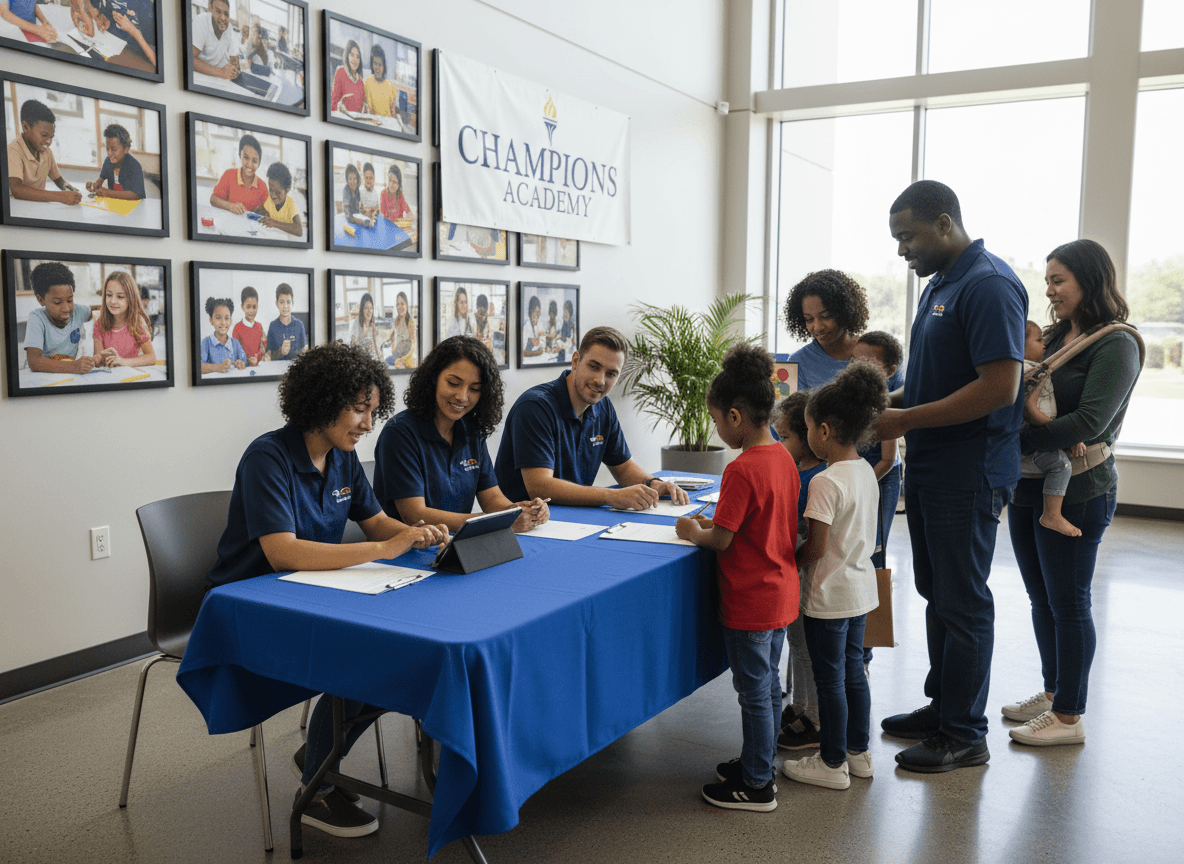
A Founder Day event, whether a simple school gathering or a larger community celebration, is an opportunity to make the founding story physical and visible. The newsletter invitation should describe what families will experience at the event, include a brief alumni or founding family voice, and give families a reason to attend beyond a general sense of celebration.
Get one newsletter idea every week.
Free. For teachers. No spam.
Frequently asked questions
Why should charter schools celebrate Founder Day in their newsletter?
Founder Day communication reconnects current families to the founding story in a way that daily school life rarely does. Families who know why the school was founded, what problem it was created to solve, and who made the early sacrifices to build it feel a stronger sense of membership in something meaningful. That sense of belonging reduces turnover, increases giving, and produces the kind of advocacy that sustains a charter school's reputation in its community.
What should a Founder Day newsletter include?
A retelling of the founding story that is specific and honest rather than mythologized, a recognition of the founders and early community members if possible, a reflection from current leadership on how the founding vision is alive in current school practice, at least one alumni or founding family perspective on what the school has meant to them, and details of any anniversary event. The newsletter should make the founding story feel relevant to current students and families rather than historical and remote.
How can newer charter schools build Founder Day traditions before significant history has accumulated?
Even a five-year anniversary is worth celebrating with intentionality. Document the founding story now while the founders are still present. Collect stories from the first families and teachers. Create a visual timeline of the school's growth. These materials become more valuable over time, and the practice of annual reflection on the school's founding creates a tradition before the school has enough history to make it automatic.
How should charter schools handle Founder Day communication when the founding is complicated or contested?
Honestly and with appropriate nuance. Charter schools that were founded in response to district failures, that replaced a previous school, or that were started amid community controversy can acknowledge their founding context without weaponizing it. A newsletter that says 'our school was founded to fill a gap that families in this neighborhood experienced' is honest without being adversarial. Mythology that contradicts lived community experience damages trust.
How does Daystage help charter schools produce Founder Day newsletters that feel special?
Daystage lets you build a Founder Day newsletter template that differs from the standard weekly format in ways that signal the occasion as distinctive. A different color scheme, a full founding story section, and an alumni spotlight can all be part of a recurring annual template that gets updated each year with the current milestone and new alumni contribution. Families learn to anticipate the Founder Day newsletter as one of the school year's meaningful communications.

Adi Ackerman
Author
Adi Ackerman is a former classroom teacher and curriculum writer with 8 years in K-8 schools. She writes about school communication, parent engagement, and what actually works in real classrooms.
More for Private & Charter
Private School Summer Bridge Program Newsletter: Preparing Incoming Students for a Strong Start
Private & Charter · 5 min read
Charter School Dual Language Newsletter: Communicating the Program to Families Who Are Living It
Private & Charter · 6 min read
Charter School Volunteer Newsletter: Building the Family Engagement That Charter Schools Run On
Private & Charter · 5 min read
Ready to send your first newsletter?
3 newsletters free. No credit card. First one ready in under 5 minutes.
Get started free