
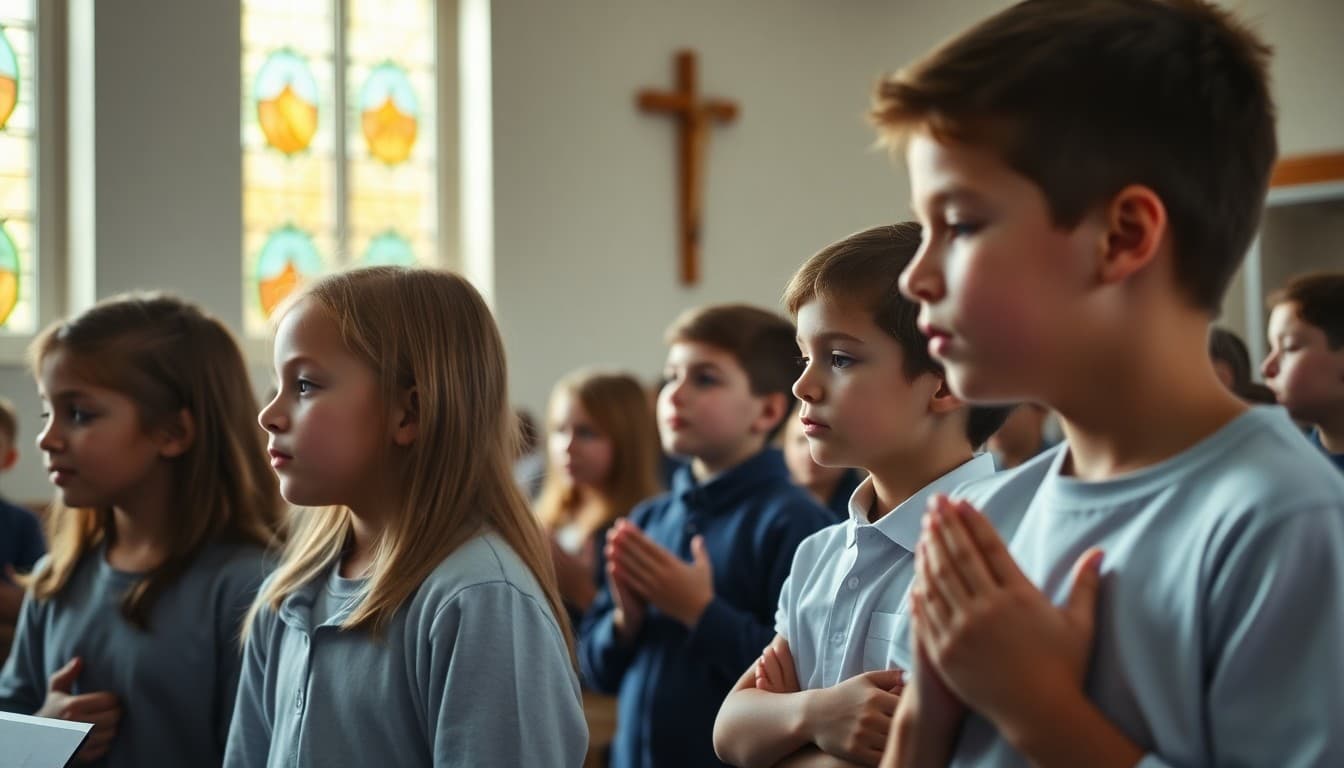
Catholic School Newsletter: Faith, Curriculum, and Community Updates
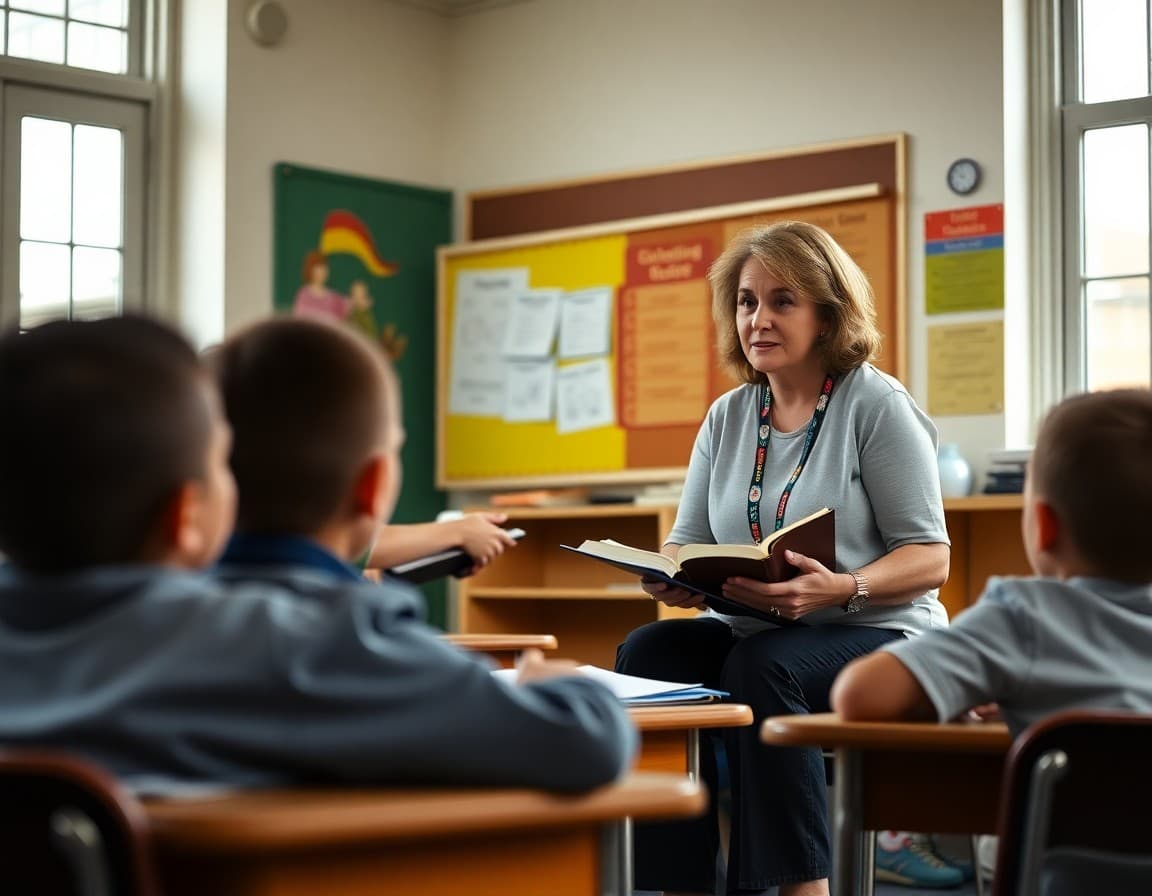
A Catholic school newsletter carries two missions simultaneously: communicating the academic and operational life of the school and reinforcing the faith formation that is central to Catholic education. When these two missions stay separate, the newsletter feels split. When they are integrated, it reflects the distinctive character of Catholic schooling, where faith and learning are not parallel tracks but woven together. This guide covers how to do that integration well.
Open With a Faith Anchor That Connects to School Life
A brief scripture passage or reflection that connects to something happening at the school this month gives the newsletter a distinctly Catholic opening without beginning with logistics. Keep it to three to four sentences. Connect the passage or principle directly to the school. "As we enter the season of Advent, we are preparing students to understand waiting with purpose, not just watching the calendar. In fifth grade, this means a daily Advent reflection journal. In eighth grade, it means a service project designed to bring preparation and presence to someone outside our community." That opening is faith-integrated without being a homily.
Report Academic News With Specificity
Catholic schools are often chosen for their academic programs. Your newsletter should report on academic content with the same specificity you bring to faith formation. "Our seventh-grade students are midway through a literature unit on Flannery O'Connor, whose Catholic faith shaped her fiction in ways we are examining directly in class. Students are reading 'A Good Man Is Hard to Find' alongside a brief biography and three of O'Connor's letters about her own faith." That paragraph covers literature, Catholic culture, and analytical thinking in two sentences. That is Catholic education in action.
Communicate Liturgical Events With Full Information
Here is a template for liturgical event announcements:
All Saints Day Mass: November 1st
Time: 9:00 a.m., School Chapel
Family attendance: Families are welcome and encouraged to attend.
What students are preparing: Each grade has been assigned a patron saint to research. Students will present one fact about their saint at the opening of the Mass.
Dress: School uniform. Students may bring a small image or medal of their saint.
Following Mass: Classes resume at 10:30 a.m.
That format gives families everything they need to participate without requiring any additional communication.
Feature the Service Learning Program
Catholic Social Teaching is central to the Catholic educational mission, and service learning is how most schools enact it. Cover service learning with the same detail you would give an academic program. Which Catholic Social Teaching principle is each service initiative tied to? What did students learn from the experience? What did the community partner say about the students' contributions? Specific service learning coverage demonstrates that the school's faith commitments are lived rather than stated.
Spotlight Sacramental Milestones
For schools that support sacramental preparation, the newsletter should include milestone information for families with students at relevant grade levels. A brief section on what first Communion preparation looks like, when families should expect information from the parish, and what the school's role in preparation involves helps families navigate the process. Coordinate with your parish liaison to ensure the information aligns with parish communication.
Communicate the Character Formation Program
Many Catholic schools use a character formation curriculum tied to virtue ethics or Catholic Social Teaching. Describe this program in specific terms, once per semester, with examples of how virtues are being practiced or discussed in specific grades. "This month, the school-wide virtue focus is integrity. In the lower school, students are discussing what honesty looks like when no one is watching. In the upper school, students are applying the concept to academic integrity in research projects." That coverage shows families that character formation is an actual curriculum, not just a poster in the hallway.
Invite Family Participation in Faith Life
Catholic schools at their best extend the formation mission into family life. Your newsletter can support that by suggesting specific, concrete practices families can do at home that connect to what students are learning at school. "This month in religion class, students are learning about the Corporal Works of Mercy. One practice you can do at home this week: ask your child to name one of the seven works and identify one person in our community who practices it." That kind of family bridge is characteristic of Catholic education and distinguishes it from purely academic private schooling.
Get one newsletter idea every week.
Free. For teachers. No spam.
Frequently asked questions
How do we integrate faith content into a school newsletter without it feeling like a church bulletin?
Keep faith content concrete and connected to school life. A section describing how your school's service learning program is tied to the Catholic Social Teaching principles is more engaging than a doctrinal summary. Faith that shows up in the curriculum, in student actions, and in school culture is more compelling content than faith described abstractly.
How do we communicate with non-Catholic families enrolled at a Catholic school?
Be clear about the school's Catholic identity while framing faith formation as one dimension of a comprehensive education. Many families choose Catholic schools for academic excellence, safe environment, and character formation even if they do not share the faith. Your newsletter can communicate about liturgical events and religious education without assuming all families participate in every aspect of Catholic practice.
What liturgical events should a Catholic school communicate in its newsletter?
Major liturgical observances that have school programming attached to them: Masses, Advent and Lent preparations, service initiatives tied to Catholic Social Teaching, sacramental preparation milestones, and feast days the school celebrates. Include dates, what participation looks like for families, and any preparation students are doing in class.
How do we write about the academic program alongside the faith formation program?
Treat both as equally serious parts of a Catholic education and give both specific, detailed coverage. A Catholic school newsletter that spends 80 percent of its space on faith content and 10 percent on academics signals to families that academics are secondary. A healthy ratio is roughly equal coverage, with integration points showing how faith and academics intersect in specific courses or projects.
Can Daystage support a Catholic school's newsletter communication across multiple campuses or grade levels?
Yes. Daystage lets you build different newsletter sections for different audiences: a school-wide family newsletter, a grade-level newsletter, and a religious education parent update can all be managed from a single platform. You can schedule each one on its own timeline and track engagement separately, which is especially useful during high-communication periods like the Advent and Lenten seasons.

Adi Ackerman
Author
Adi Ackerman is a former classroom teacher and curriculum writer with 8 years in K-8 schools. She writes about school communication, parent engagement, and what actually works in real classrooms.
More for Private & Charter
Ready to send your first newsletter?
3 newsletters free. No credit card. First one ready in under 5 minutes.
Get started free