
Spanish Bilingual Newsletter Template: What Works for Spanish-Speaking Families
Spanish is the most widely spoken non-English language in American schools, and Spanish-language family communication is one of the areas where schools most consistently fall short. The gap is not usually a lack of effort. It is a lack of infrastructure: no clear workflow for translation, no bilingual staff involved in review, and no recognition that translation is the floor rather than the ceiling of culturally competent communication.
Beyond Translation: Cultural Communication
A Spanish newsletter that is only a word-for-word translation of the English newsletter reaches Spanish-speaking families at a baseline level. A newsletter that also reflects an understanding of the families it is reaching, their educational background, their relationship to school institutions, and the cultural context they bring, does something much more valuable.
Practical examples of what this looks like:
- Acknowledging Dia de los Muertos or Three Kings Day if they are relevant to your school community
- Including references to community organizations, health resources, or social services available in Spanish
- Using warm, personal language rather than institutional formality, which tends to feel cold to many Latin American families
- Inviting families to share their own cultural knowledge rather than positioning the school as the exclusive authority
Regional Variety and Linguistic Appropriateness
Spanish spoken by families from Mexico, Puerto Rico, Colombia, Guatemala, or the Dominican Republic is not identical. Vocabulary differences, register differences, and cultural references all vary by region. Your newsletter does not need to navigate all of these, but it should avoid regional terms that are inappropriate in the other varieties, use relatively neutral vocabulary, and avoid idioms that do not translate across regional lines.
If your school community is primarily from one regional background, using vocabulary and cultural references appropriate to that background is more connecting than attempting a pan-Hispanic approach that feels generic to everyone.
Literacy and Accessibility
Some Spanish-speaking families have limited literacy in Spanish as well as English, particularly if their home language is an Indigenous language from Mexico or Central America. A newsletter designed with simple sentence structure, short paragraphs, and visual support is more accessible for a broader range of families than one written at a high literacy level in any language.
The Review Step
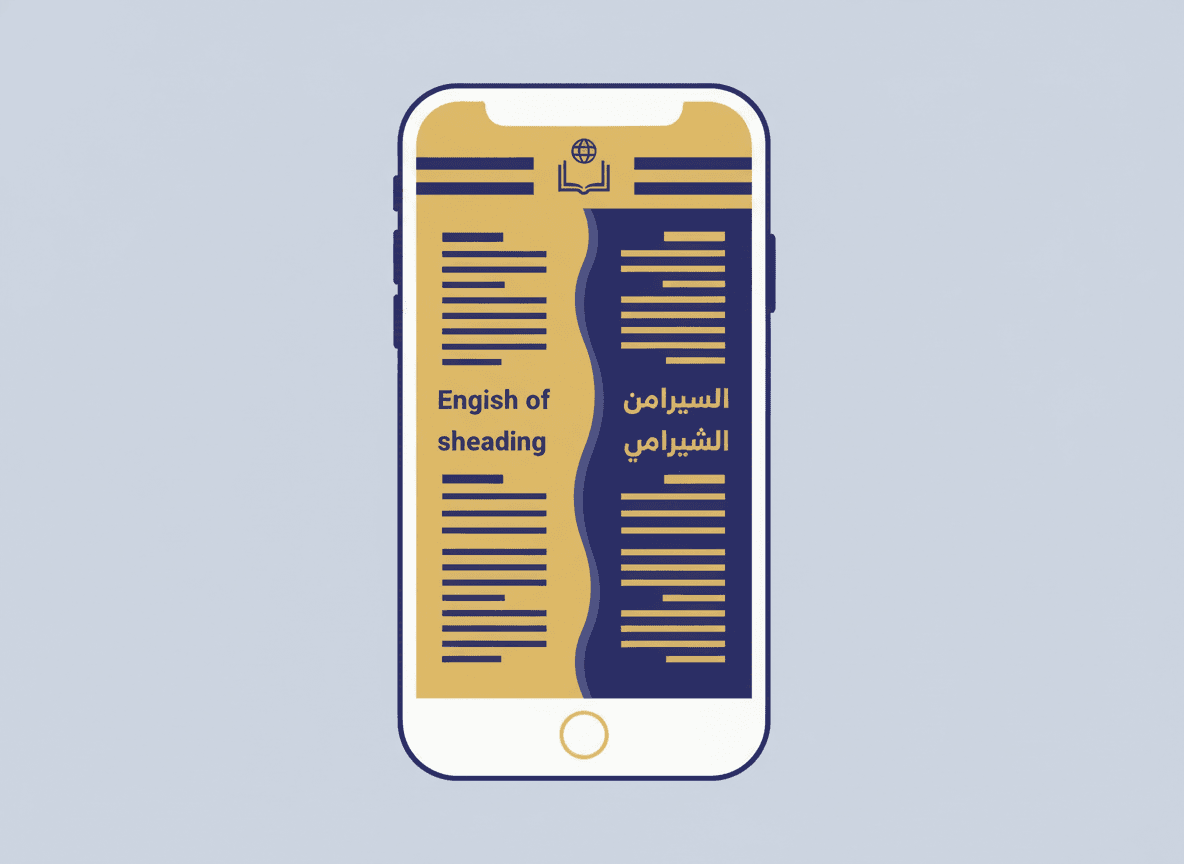
Every Spanish newsletter should be reviewed by a fluent speaker before it is sent. Machine translation makes convincing errors that native speakers catch immediately and that damage the school's credibility with the families it is trying to reach. Daystage supports the distribution step once the newsletter is ready, sending it directly to Spanish-speaking families in a readable mobile format.
Get one newsletter idea every week.
Free. For teachers. No spam.
Frequently asked questions
What should a Spanish bilingual newsletter include beyond the English version?
The Spanish version should include everything in the English version plus any cultural context that matters to Spanish-speaking families specifically, such as references to community resources in Spanish, upcoming cultural events relevant to the community, or acknowledgment of holidays observed by Latino families in the school community. A Spanish newsletter that is only a translation and not a culturally thoughtful communication misses the purpose.
What are the most common errors in Spanish school newsletters?
Machine translation errors that produce grammatically awkward or regionally inappropriate Spanish are the most common problem. Using a single Spanish dialect when the school community includes speakers of multiple regional varieties is a second issue. And addressing all Spanish-speaking families as if they share a single cultural background, when they may be from Mexico, Puerto Rico, Guatemala, Cuba, or a dozen other countries, reduces relevance.
Should Spanish school newsletters use formal or informal language?
Use formal language (usted) as the default in Spanish school communication unless your community has established a more informal communication norm. Formal address is more respectful in most school communication contexts and is universally appropriate regardless of regional variety.
How do bilingual schools handle families who prefer to receive the newsletter in English even though they speak Spanish at home?
Give families the option. Enrollment should include a language preference form that asks which language family members prefer for school communication. Some families who speak Spanish at home are more literate in English and will choose English. Honoring that preference is part of respectful communication.
Does Daystage support sending Spanish newsletters to families in bilingual programs?
Yes. Daystage allows teachers to send newsletters in any language directly to the families in their mailing list, supporting bilingual programs in maintaining consistent Spanish communication.

Adi Ackerman
Author
Adi Ackerman is a former classroom teacher and curriculum writer with 8 years in K-8 schools. She writes about school communication, parent engagement, and what actually works in real classrooms.
More for Bilingual
School Newsletter for Spanish-Speaking Families: Communication Guide
ELL & ESL · 6 min read
Bilingual Education Rights Newsletter: Communicating Family Rights to Multilingual Families
Bilingual · 6 min read
Bilingual Testing and Assessment Newsletter: Helping Multilingual Families Navigate Test Season
Bilingual · 5 min read
Ready to send your first newsletter?
3 newsletters free. No credit card. First one ready in under 5 minutes.
Get started free