

Multilingual Classroom Newsletter for Teachers: A Practical Guide to Reaching Every Family
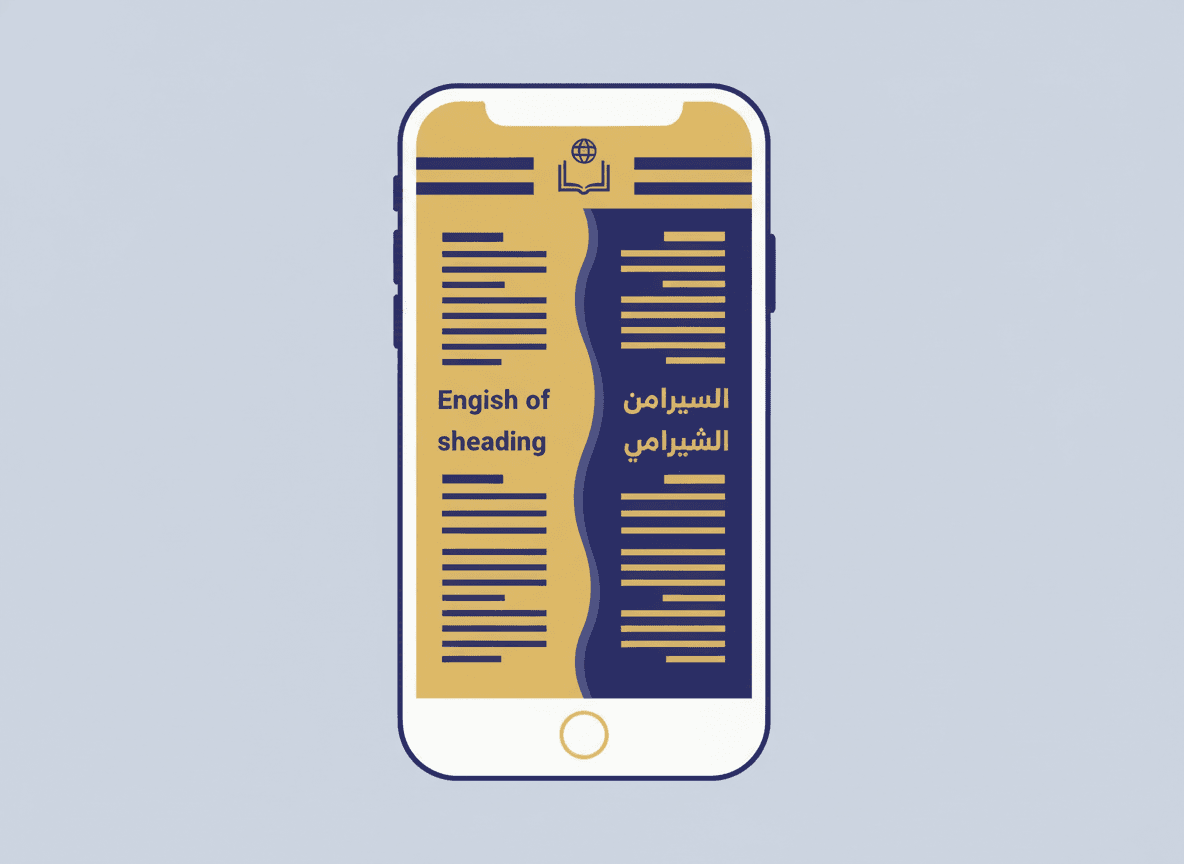
The classroom teacher is often the most important communication link in a multilingual family's relationship with school. Parents who cannot follow the principal's newsletter or the school-wide communication often stay engaged through a teacher who makes an effort to communicate in their language.
That effort does not have to be heroic. A weekly classroom newsletter that includes two or three translated sentences is already more than most multilingual families currently receive.
Know your classroom's languages before the year starts
Every school has enrollment data that includes the home languages of every student. At the start of the school year, ask your principal or data coordinator for the home language breakdown of your classroom. This tells you exactly which translation needs your newsletter must address.
A classroom with Spanish, Mandarin, and Somali speakers has three translation needs. A classroom with only Spanish-speaking multilingual families has one. Knowing your specific classroom profile lets you focus your translation effort where it actually matters.
Use a consistent template to minimize the weekly work
The biggest barrier to multilingual classroom newsletters is the time they take. That barrier drops dramatically when you use a consistent template. If the newsletter structure is fixed, the only work each week is updating the content sections, not rebuilding the whole document.
A five-section template works well: this week's learning, key vocabulary in two languages, a home activity suggestion, upcoming dates, and a brief personal note. Once the template is built and translated, each week's newsletter takes 15 to 20 minutes to update.
Use machine translation as a first draft
Teachers who are not bilingual can still send multilingual newsletters using machine translation as a starting point. The quality of machine translation has improved significantly and is often adequate for straightforward newsletter content.
The limitation is accuracy for complex or nuanced content. Legal language, assessment descriptions, and content involving cultural sensitivity should be reviewed by a bilingual speaker before sending. For the vocabulary section, classroom activities, and calendar dates, machine translation is usually reliable enough.
Build a bilingual parent volunteer relationship
Most classrooms with multilingual families include at least one family where a parent has strong bilingual skills and is willing to support the school. Identifying one bilingual volunteer per language group who reviews your newsletter draft once a month for accuracy is a sustainable quality control approach.
The volunteer does not need to translate from scratch. They review the machine translation, flag errors, and suggest corrections. This takes 10 minutes per month and significantly improves translation accuracy for families from their language community.
Include vocabulary in both languages every week
The weekly vocabulary section is the highest-value element of a multilingual classroom newsletter. Five to ten key words in English and the home language, drawn from the current unit, give families the specific language they need to support their child's homework and classroom conversation.
For families whose home language is different from the language their child is learning in school, seeing the English words alongside the home language equivalents also helps them understand what their child is being asked to learn. This section takes five minutes to prepare and is consistently the part of the newsletter families reference most at home.
Track engagement and adjust
If you are using a digital newsletter platform, you can see which families open the newsletter. Families who are opening it regularly are engaging with the multilingual content. Families who are not opening it may need a different outreach approach, a follow-up text, a note sent home with the student, or a direct phone call to explain the newsletter exists.
The newsletter is a tool, not a guarantee. Families who know it exists and trust it read it. Building that awareness and trust is a semester-long project, not something that happens from the first send.
Get one newsletter idea every week.
Free. For teachers. No spam.
Frequently asked questions
How can classroom teachers realistically maintain multilingual newsletters without taking all their time?
Use a consistent template structure so you are updating content, not recreating the format each week. Use machine translation as a first draft for the translation sections and have a bilingual parent volunteer review it monthly. Focus on two or three key pieces of information per week. A short, accurate bilingual newsletter is more valuable than a comprehensive English-only one.
What should a weekly classroom newsletter include for multilingual families?
What students are learning this week in plain language, key vocabulary in both English and the home language, one activity families can do at home to support the learning, upcoming dates, and the teacher's contact information. Five elements, two languages, one page.
Should teachers use machine translation for their classroom newsletters?
Machine translation is a practical first step for classroom teachers who are not bilingual themselves. It should be treated as a first draft, not a final product. A bilingual parent, staff member, or community volunteer reviewing the machine translation monthly for accuracy is enough quality control for most classroom newsletter content. For legally significant communications, use qualified translators.
How do teachers identify which languages are spoken in their classroom?
Your school's enrollment data identifies home languages for every student. Ask your principal or data coordinator for the home language data for your classroom at the start of the year. This tells you exactly which translation languages you need for your specific class.
How does Daystage help classroom teachers send multilingual newsletters?
Daystage lets classroom teachers build a bilingual newsletter template at the start of the year and send it weekly in 20 minutes or less. The subscriber management system means each family receives the newsletter in their tagged language preference, so the teacher does not need to manually manage which family gets which version.

Adi Ackerman
Author
Adi Ackerman is a former classroom teacher and curriculum writer with 8 years in K-8 schools. She writes about school communication, parent engagement, and what actually works in real classrooms.
More for Bilingual
Multilingual Emergency Communication: How Schools Reach All Families During Crises
Bilingual · 6 min read
School Newsletter for Swahili-Speaking Families: Reaching East African Communities
Bilingual · 5 min read
Bilingual Family Engagement Newsletter: Building Genuine Participation Across Languages
Bilingual · 6 min read
Ready to send your first newsletter?
3 newsletters free. No credit card. First one ready in under 5 minutes.
Get started free