
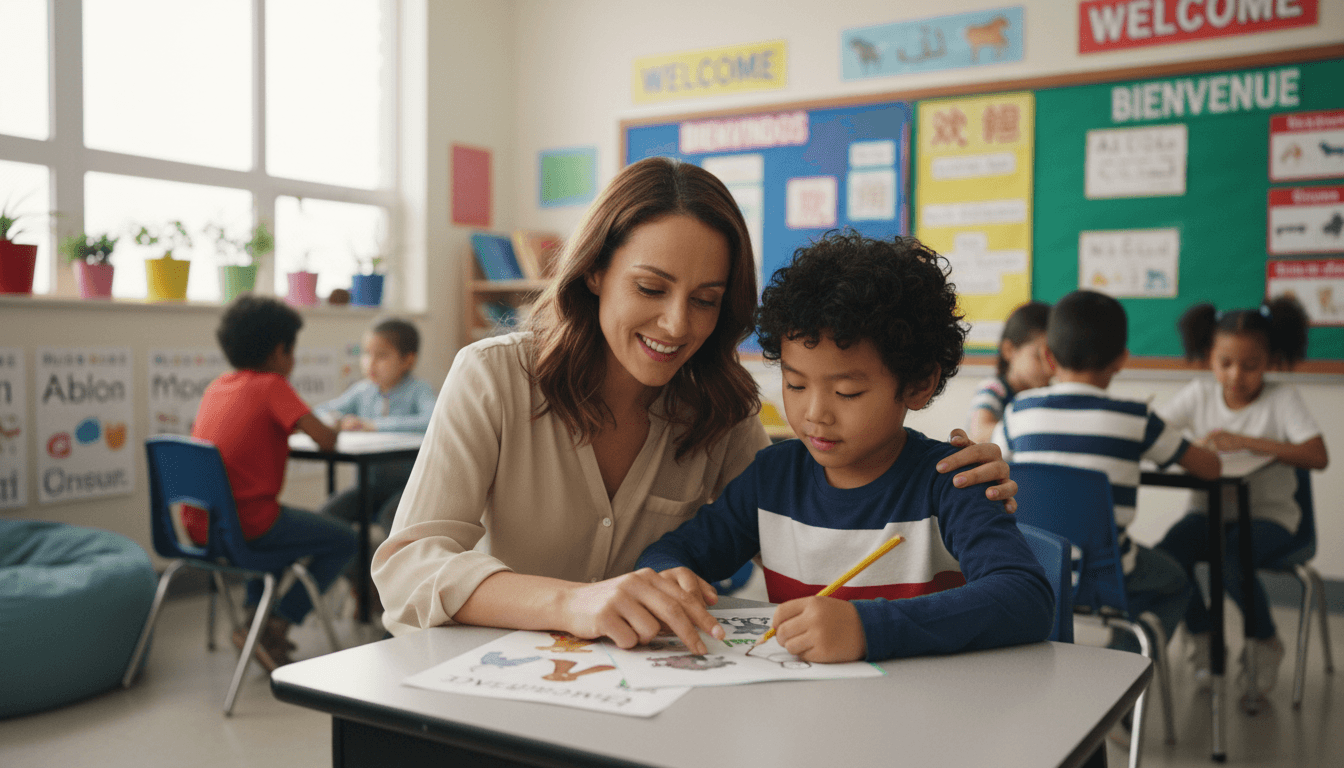
Engaging ELL Families Through School Newsletters: What Works
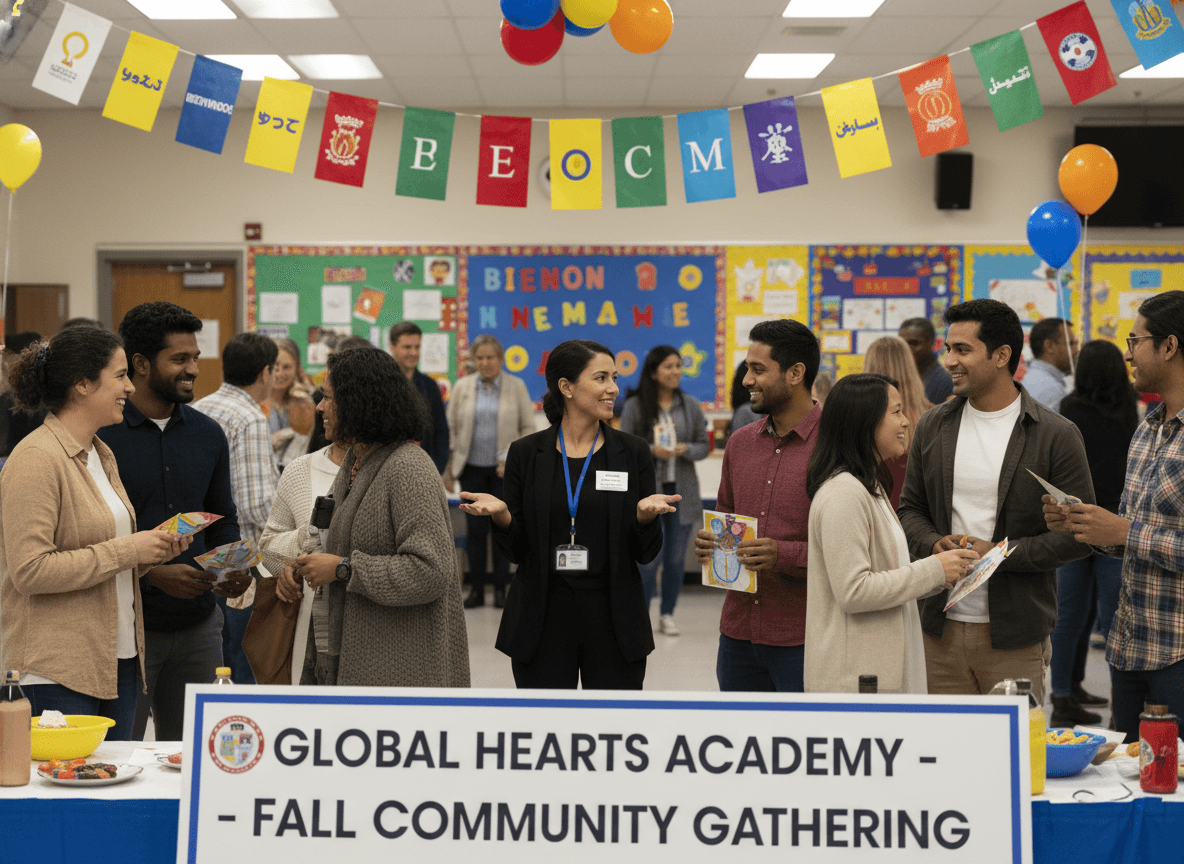
Families of English Language Learners are among the most motivated parents in any school building. Their children are navigating two languages, two cultures, and often a completely different school system than the one the family grew up in. They want to support their children. They want to be connected to the school. Most of them are receiving communication they cannot fully access.
A newsletter strategy designed for ELL families is not harder than a standard newsletter strategy. It is more intentional.
Understand What ELL Families Are Navigating
Before designing communication for ELL families, it helps to understand the specific barriers:
- Language access: English-only newsletters are a barrier for families with limited English proficiency. This is the most obvious issue and the easiest to address with translation.
- System unfamiliarity: Many ELL families come from countries with completely different educational systems. Terms and processes that American teachers treat as obvious, parent-teacher conferences, standardized testing, IEPs, field trip permission forms, require explanation, not just translation.
- Cultural distance from the school community: Schools communicate through a cultural lens. School events, holidays, fundraisers, and social expectations are embedded in a context that newly arrived families may not share.
- Trust deficits with institutions: Families from countries with authoritarian governments or school systems with punitive parent involvement expectations may approach school communication with wariness. Communication that feels bureaucratic or threatening reduces engagement.
Communication Strategies That Work for ELL Families
Translate, but also explain
Translation is not enough when the concept itself is unfamiliar. A newsletter that tells Spanish-speaking families about "Parent-Teacher Conference Day" in Spanish is accessible. A newsletter that explains what a parent-teacher conference is, what will happen, and what they can bring, in Spanish, is both accessible and useful.
When introducing a school process or event that may be culturally unfamiliar, add a brief "here is what this means" note. Two sentences is enough. It signals respect for the family's context and removes the barrier created by assumed knowledge.
Use visual anchors
Images, simple icons, and visual structure communicate across language barriers. A clear dates section with calendar icons. A backpack icon next to items to return. Photos of the activity being described. These visual anchors give families who can partially read the text enough context to understand the communication without reading every word.
Keep the reading level accessible
Plain language benefits all families, but for ELL families specifically, a newsletter written at a 6th-grade level is significantly more accessible, even in translation , than one written at a 10th-grade level. Complex sentence structures, abstract vocabulary, and long paragraphs all degrade translation quality and make even a translated newsletter harder to read.
Name available support explicitly
Many ELL families do not know what support the school can provide. They do not know they can request a translation of any document. They may not know that a bilingual staff member is available for phone calls. They may not know that parent-teacher conferences can be arranged with an interpreter.
Include a brief note in every newsletter: "If you need a translator for any school communication or meeting, please contact [name] at [contact]. We want to make sure every family can participate fully."
This one sentence removes a barrier that stops many ELL families from engaging at all.
Building Trust Through Consistency
For families who have had difficult experiences with institutions, trust is built through consistency. A newsletter that arrives every week, in their language, with useful information, with no bureaucratic threats or demands, is a trust-building document. After weeks and months of consistent positive communication, the school becomes a place that communicates with them rather than at them.
This matters especially for the times when a school needs something from a family: a permission slip, attendance at a meeting, participation in a program. Families who have been receiving consistent, respectful communication respond to these requests. Families who have only heard from the school when something is wrong do not.
The ELL Newsletter vs. the Class Newsletter
A question that comes up in schools with large ELL populations: should there be a separate ELL newsletter, or should the class newsletter serve all families?
The answer is usually: a translated class newsletter serves most needs, with occasional targeted ELL-specific communication for program milestones and transitions (WIDA assessment results, reclassification decisions, services changes). ELL families generally want to receive the same class communication as everyone else, in their language. What they additionally need is clear communication about the ELL program itself, which can be layered in as needed.
Treating ELL families as a separate audience that receives separate content can inadvertently reinforce the sense of being apart from the school community. The goal is inclusion with accommodation, the same information, accessible to every family.
Get one newsletter idea every week.
Free. For teachers. No spam.
Frequently asked questions
When should schools proactively reach out to ELL families with translated newsletters?
Proactive outreach should begin at enrollment. Department of Education guidance under Title VI and the Equal Educational Opportunities Act requires schools to notify ELL families of school activities and programs in a language they can understand, which means waiting for families to request translation is not compliant practice.
What should an ELL family engagement newsletter include to actually reach families?
Use plain language in both English and the family's primary language, avoid educational jargon without explanation, include visual supports where possible, and make the action item in each issue explicit and simple. ELL families are often navigating multiple systems at once, and a newsletter that buries the key information in the fourth paragraph loses them before they find it.
How should schools build consistent communication with ELL families who have varying literacy levels?
Do not assume all ELL families are literate in their home language. Some families may be more reachable through audio or video messages than written newsletters, and a translated newsletter sent to a family with low home-language literacy provides no meaningful access. Surveying families about their preferred communication format at enrollment is a simple step that improves reach substantially.
What are common challenges in ELL family engagement through school newsletters?
The biggest barrier is trust, not language. Families who have had negative experiences with institutional authority, including immigration-related anxiety, may be reluctant to respond to school communications even when they receive them in their home language. Building trust through consistent, non-threatening communication over time is the only reliable path to higher engagement.
How can schools manage language preference data and newsletter routing for ELL families efficiently?
A platform like Daystage lets schools tag subscribers by home language and deliver the appropriate newsletter version without maintaining parallel email threads or separate distribution lists. That reduces the administrative burden that often causes multilingual newsletter programs to collapse after the first semester.

Adi Ackerman
Author
Adi Ackerman is a former classroom teacher and curriculum writer with 8 years in K-8 schools. She writes about school communication, parent engagement, and what actually works in real classrooms.
More for Bilingual
School Newsletter for Greek-Speaking Families: Reaching Your Greek-American Community
Bilingual · 5 min read
Newcomer Family Multilingual Welcome Newsletter: Making New Families Feel at Home from Day One
Bilingual · 6 min read
Ukrainian School Newsletter: Communicating with Newly Arrived Ukrainian Families
Bilingual · 5 min read
Ready to send your first newsletter?
3 newsletters free. No credit card. First one ready in under 5 minutes.
Get started free