

Welcome Back to School Letter: Template for Teachers and Principals
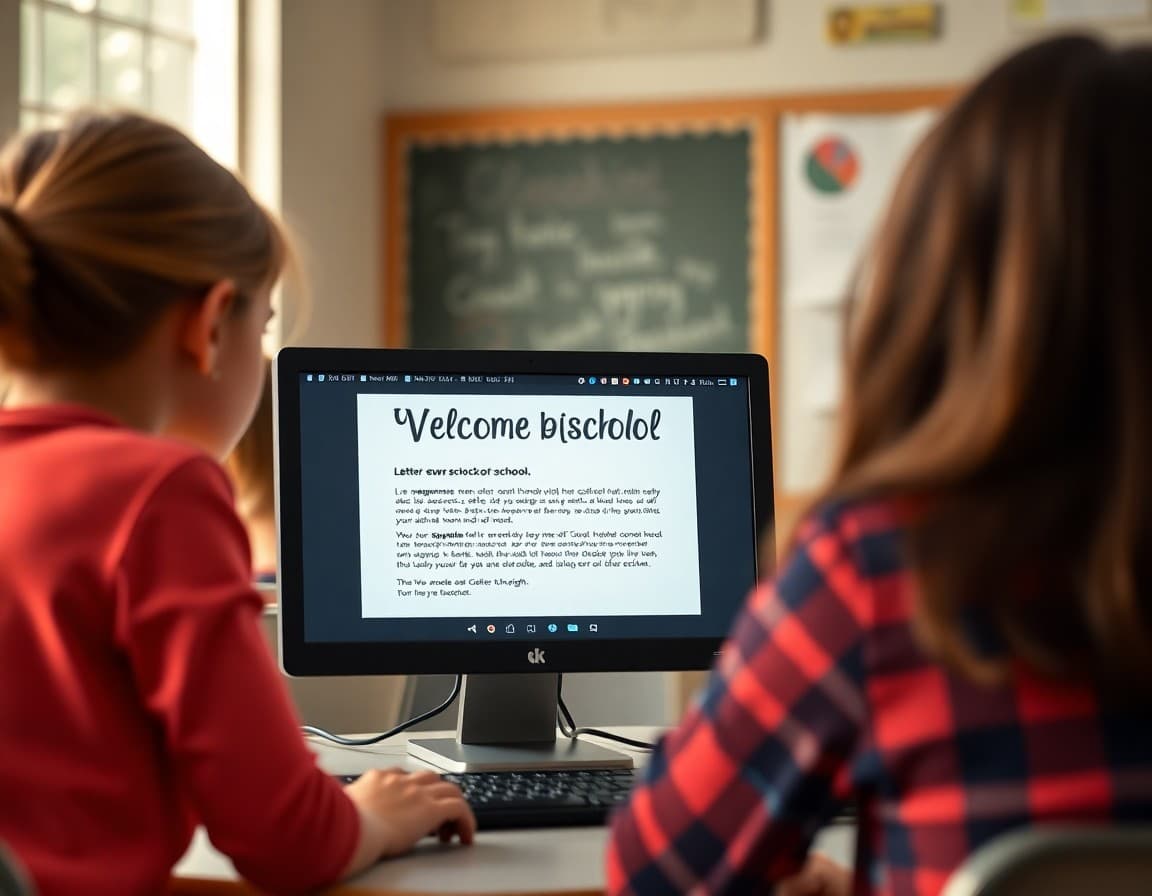
The welcome back letter is one of the few pieces of school communication that families actually look forward to. It arrives before the year starts, before the stress of the first week, when families are still optimistic about what the year could be. That is an opportunity worth using well.
What Families Need Before the First Day
Families reading a welcome letter want to know four things: who is this teacher and will my child like them, what should my child bring, what will they be doing the first week, and how do I reach the teacher if something goes wrong. Everything else in the letter is secondary. If you answer those four questions clearly, the letter has done its job even if families don't read the rest.
Teacher Welcome Letter Template
Here is a ready-to-use template for a classroom teacher welcome letter:
Subject: Welcome to Room 14 - See you Thursday!
Dear [Name] family,
My name is Ms. Reyes and I'll be your child's third grade teacher this year. I've been teaching at Lincoln Elementary for six years and I'm especially excited about our science curriculum this fall - we're starting with a unit on ecosystems that involves a real terrarium your child will help build and maintain.
Before the first day, please make sure your child has: a labeled water bottle, two pocket folders (any color), a box of 24 crayons, and a pencil pouch. The full supply list is at the bottom of this letter.
School starts Thursday at 8:00 AM. Doors open at 7:45. I'll be at the classroom door to greet students. Please send your child with their emergency card filled out by the first day - forms will be in their take-home folder Thursday.
The best way to reach me is by email at lreyes@lincolnelementary.edu. I check email daily and respond within 24 hours on school days.
I'm looking forward to a great year with your family.
Ms. Reyes
Principal Welcome Letter Template
A principal's welcome letter covers broader ground:
Subject: Welcome Back - Lincoln Elementary 2027-28
Dear Lincoln Families,
We are thrilled to welcome your children back for the 2027-28 school year. This year we're introducing our new STEAM wing in the north building, which means every grade will have dedicated project-based learning time starting in October.
Key dates to know: First day of school is Thursday, September 4. Curriculum Night is September 18 at 6 PM in the gym. School photos are September 25.
Our theme this year is "Curiosity Never Stops." You'll see it reflected in our classroom projects, our assemblies, and our monthly family newsletter.
If you have questions before school starts, the front office is open Monday through Friday from 8 AM to 3 PM: 555-0100.
See you Thursday,
Principal Martinez
Tone Gets Read More Than Content
Families make a judgment about the teacher or principal within the first few sentences of a welcome letter. Formal, bureaucratic language creates distance. Warm, direct language builds trust before the year has even started. Avoid phrases like "per school policy" or "in accordance with district guidelines" in a welcome letter. You can communicate the same information more directly: "Students need a doctor's note for absences longer than two days" says the same thing as "Per district policy, documentation is required for extended absences" but sounds like a person talking.
What to Avoid in a Welcome Letter
Don't start with a list of rules. Families will remember the tone of the first line. "I look forward to a great year with your child" is a better first line than "Please read the following classroom policies carefully." Don't include every policy, procedure, and expectation in one letter. Save that for the classroom handbook or the back-to-school night presentation. A welcome letter should be short enough to read in two minutes.
Adding a Personal Touch That Families Remember
A single sentence about something genuinely personal, what you did this summer, a book you read, something you're curious about this year, makes a welcome letter memorable. Families read hundreds of school communications over a year. They remember the teacher who said "I spent part of the summer reading about ocean ecosystems and I can't wait to share what I found with your third graders" because it sounds like a real person who loves their subject. That is worth more than a polished formal letter that sounds like every other letter they've ever received.
Sending the Letter at the Right Time
Three to five days before school starts is the window. Earlier than a week out and families may not have shifted into back-to-school mode yet. The day before is too late for families who need to shop for supplies or arrange logistics. Aim for Sunday or Monday of the week school starts. A Saturday send gets good open rates because families are home and in back-to-school preparation mode.
Get one newsletter idea every week.
Free. For teachers. No spam.
Frequently asked questions
When should teachers send a welcome back to school letter?
The best time to send a welcome letter is 3 to 5 days before the first day of school. This gives families time to read it before the rush of the first week, prepare any requested supplies, and arrive on day one with context about classroom expectations and routines.
What should be in a teacher's welcome back letter?
Cover four things: who you are and a brief professional introduction, what the class will be learning in the first weeks, what families need to prepare (supplies, forms, schedule), and how to reach you with questions. Keep it to one page. Families won't read a three-page letter the week before school starts.
Should a principal send a separate welcome letter from the teacher?
Yes, and they serve different purposes. The principal's letter sets the school-wide tone, shares big-picture information about the year, and signals the school's priorities and values. The teacher's letter is classroom-specific. Both are worth sending because they communicate to different levels of the family's relationship with the school.
How personal should a welcome letter be?
More personal than most teachers default to. A sentence or two about why you love teaching this grade, something you're genuinely excited about in the curriculum, or a brief mention of your own family or background makes the letter feel like it came from a person, not a form. Families respond to authenticity.
Can I use Daystage to send my welcome back letter?
Yes. Daystage is a good fit for a welcome letter because it formats cleanly for both email and a web-hosted link that families can share with grandparents or revisit later. You can add a photo of your classroom or yourself, which makes the letter more memorable than plain text email.

Adi Ackerman
Author
Adi Ackerman is a former classroom teacher and curriculum writer with 8 years in K-8 schools. She writes about school communication, parent engagement, and what actually works in real classrooms.
More for Back to School
Ready to send your first newsletter?
3 newsletters free. No credit card. First one ready in under 5 minutes.
Get started free