

Drop-Off and Pick-Up Procedures Newsletter: What to Include
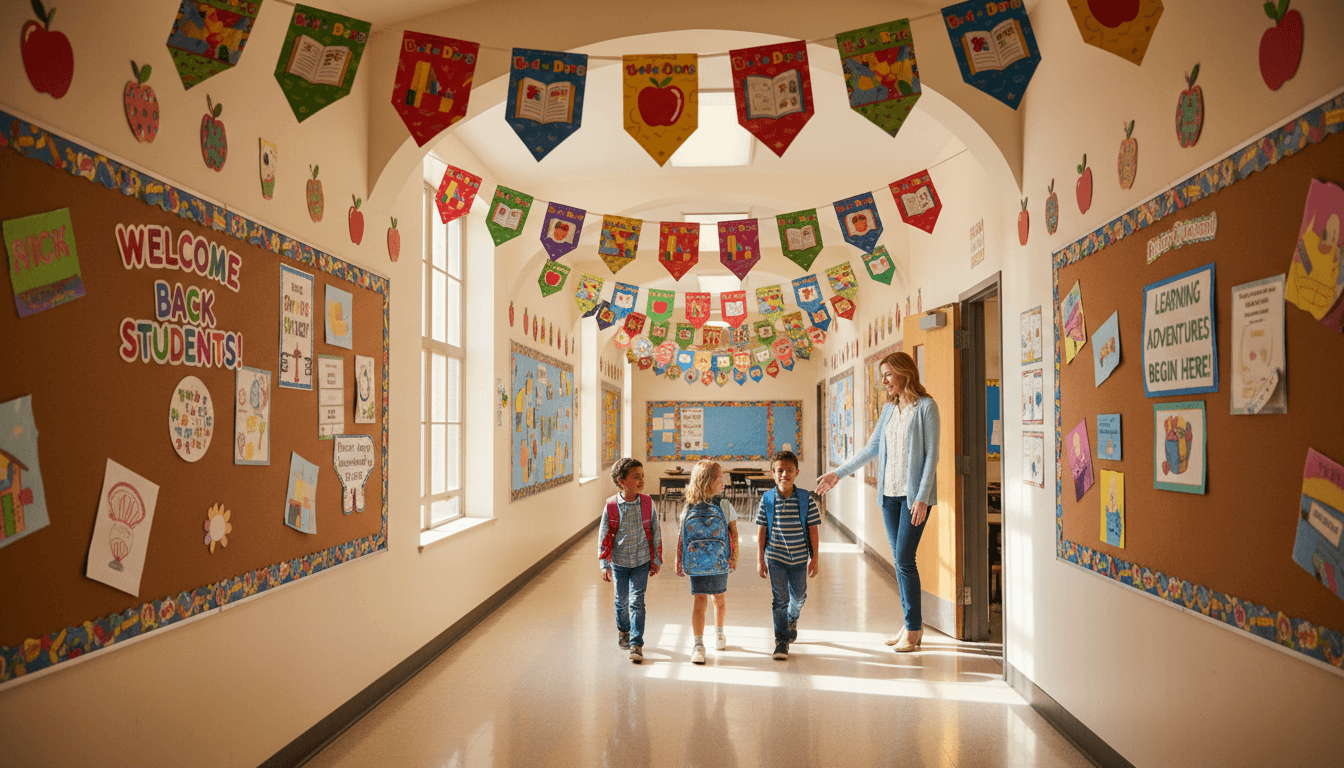
Drop-off and pickup are the highest-stress moments of the school day for families and for school staff. First-day car line chaos is almost entirely preventable with a well-written procedures newsletter sent before school starts. Here is exactly what to include.
Start with the physical layout
Families who have never been to your school, or who arrive from a different direction than they usually do, need a clear picture of the physical drop-off zone. Describe it in words and include a map if you have one.
"Drop-off is on Elm Street, east side of the building. Pull forward to the second cone before stopping to let your child out. Do not pull up short of the first cone. Staff will be present from 7:50 AM to direct traffic." That is specific enough that a parent who has never been there can navigate correctly on the first morning.
If your school has separate zones for walkers, bus riders, and car riders, explain each separately. Families who are confused about which zone applies to them will default to the car line even when they should not.
Give exact times
Vague time guidance causes problems. "Students should arrive by 8:30" does not tell families what happens if they arrive at 8:10, whether there is supervision before a certain time, or what the cutoff is for the car line.
Be specific. "The building opens for students at 7:55 AM. Students are not supervised before that time. The car line runs from 7:55 AM to 8:20 AM. Families arriving after 8:20 AM should park and walk students to the main entrance for a late arrival sign-in."
That paragraph answers every timing question a family might have.
Explain the goodbye protocol
The drop-off goodbye is where the car line slows down. Parents who are not sure whether to walk students inside, who want an extra-long goodbye, or who need a moment to gather belongings from the back seat create bottlenecks.
Set expectations clearly. "During drop-off, please help your child gather their belongings while in the car line before pulling up to the drop zone. Students will exit from the right-side door. A quick goodbye is appreciated to keep the line moving. If your child needs extra time getting organized, please use the parking lot and walk in."
That is not harsh. It is helpful. Parents who know the protocol follow it. Parents who are guessing cause delays.
Cover the pickup procedure separately
Pickup procedures are often more complex than drop-off because they involve verifying who is authorized to take each child. Walk families through the full process.
Include: where families wait, how students are called to the pickup area, what happens if a family is late, what the procedure is if someone other than the usual parent is picking up, and how to update authorized pickup contacts.
If your school uses a pickup tag system, explain it. "Each family receives two pickup tags at the start of the year. Display the tag in your windshield during car line pickup. If you do not have your tag, you will be asked to park and come to the front office with ID."
Address common edge cases
First-day newsletters should anticipate the questions families will ask if you do not answer them upfront:
- What happens if a parent needs to walk in with their child on the first day?
- Where do families park who are not using the car line?
- What is the procedure for early pickup?
- Who do families call if there is an emergency change to pickup plans?
One or two sentences per scenario is enough. You do not need to write a full policy document. You need to answer the questions families are already asking in their heads.
Remind families of the full procedure the night before
The night-before newsletter should include a brief, bulleted recap of the drop-off and pickup procedure. Three to five bullets is enough. Families who have the reminder open on their phone while they are in the car line on the first morning will follow it correctly.
Get one newsletter idea every week.
Free. For teachers. No spam.
Frequently asked questions
When should the drop-off and pickup procedures newsletter go out?
Include it in the main pre-school newsletter two to three weeks before the first day, and repeat the key points in the night-before reminder. The night-before version is often the one families actually have open while they are doing the school run. Both touchpoints are needed.
What specific information should a drop-off procedures newsletter include?
Six things: the correct entrance to use, where to park or pull up, what time students can enter the building, where students line up or wait, what adults should do during drop-off, and who to contact if there is a problem on the first morning. Missing any of these creates first-day chaos.
How should schools handle families who need accommodations for drop-off?
Address it in the newsletter directly. Name the process for families who need extra time, have children with mobility needs, or are parking and walking in rather than using the car line. Families who need accommodations and do not see a pathway often improvise in ways that create bottlenecks for everyone else.
What is the most common drop-off newsletter mistake?
Assuming families remember from last year. Schools that had the same drop-off procedure for five years still have a third of their car line families acting confused on the first day of each new year. Repeat the full procedure every August. Do not assume familiarity.
Can Daystage send drop-off newsletters to specific grade levels with different procedures?
Yes. If your school has different drop-off procedures for different grades or buildings, Daystage lets you send targeted newsletters to specific grade-level family groups so each family gets the instructions that apply to them, not a combined set that requires them to figure out which part applies to their child.

Adi Ackerman
Author
Adi Ackerman is a former classroom teacher and curriculum writer with 8 years in K-8 schools. She writes about school communication, parent engagement, and what actually works in real classrooms.
More for Back to School
Ready to send your first newsletter?
3 newsletters free. No credit card. First one ready in under 5 minutes.
Get started free