
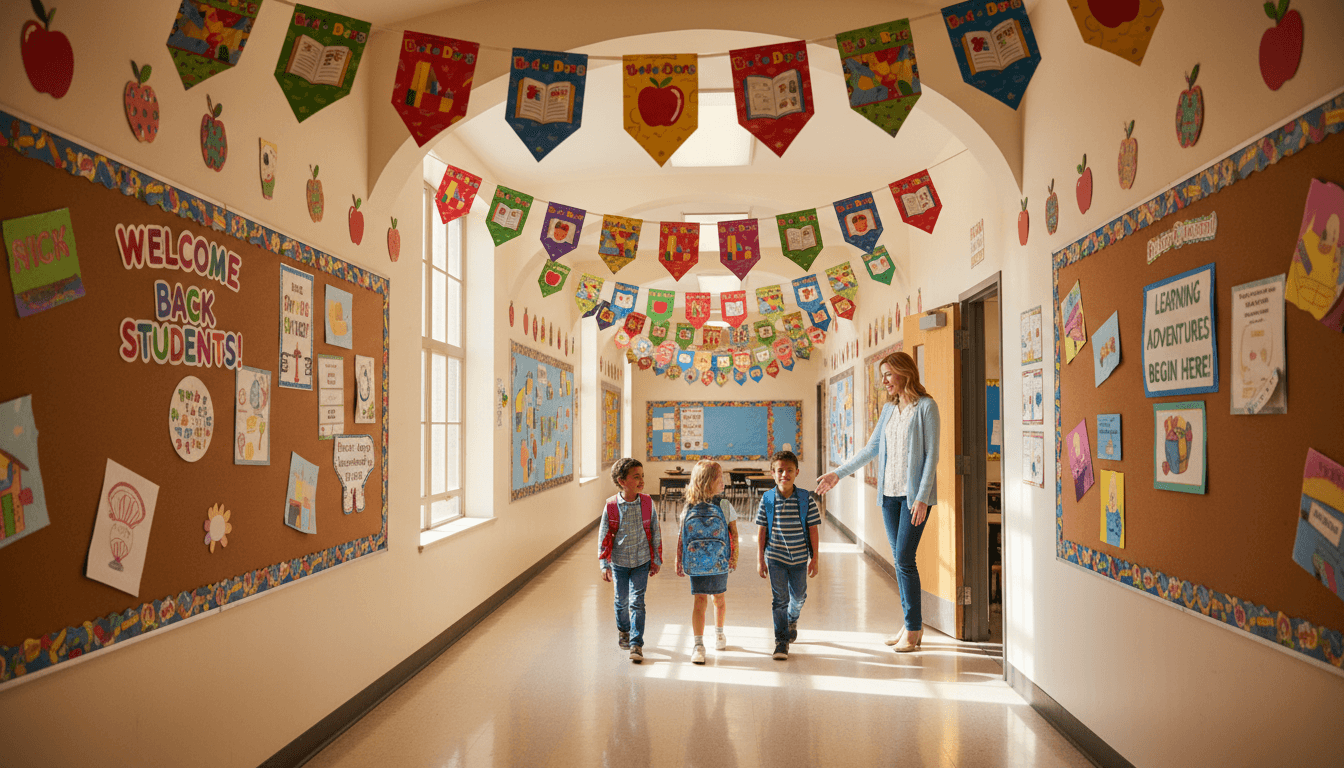
Back-to-School Newsletter Guide for Private Schools
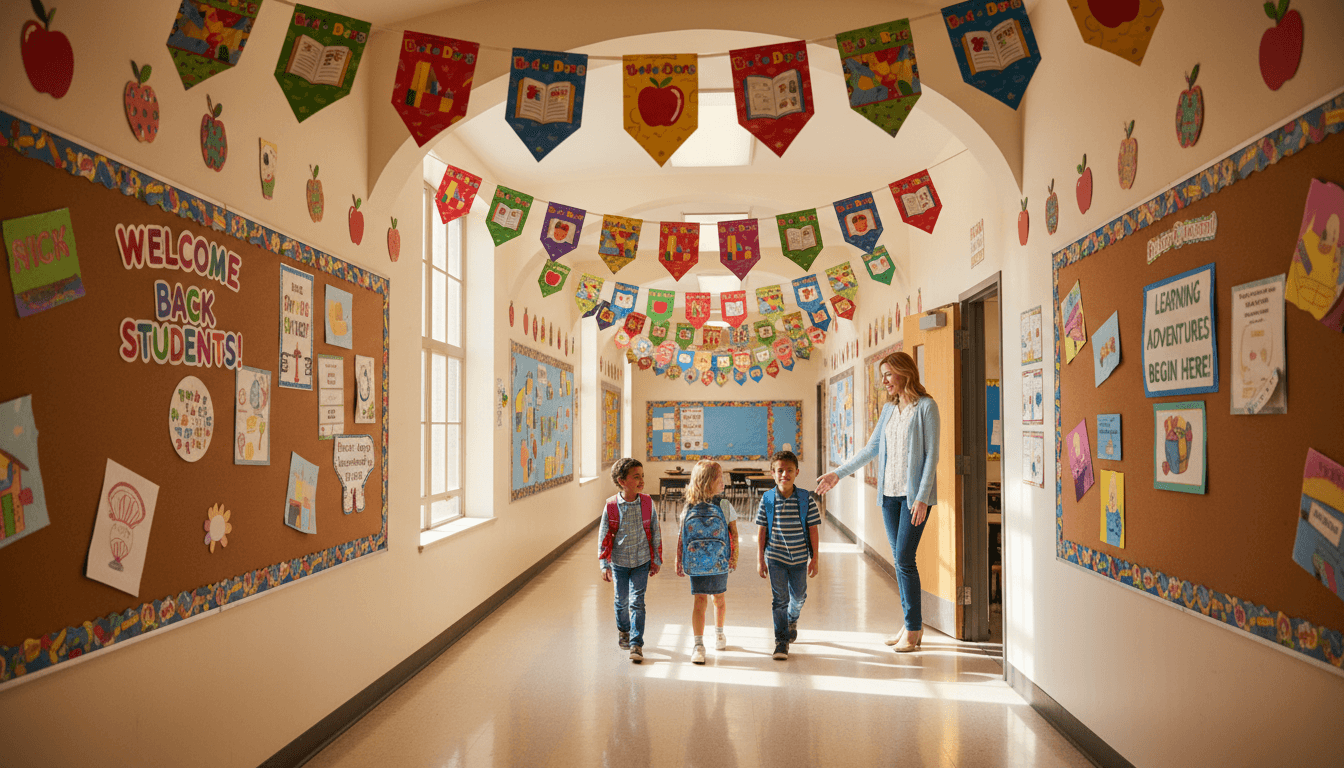
Private school families invest significantly in their child's education and bring high expectations about communication. A back-to-school newsletter that is clear, warm, substantive, and reflective of the school's culture tells families their investment is well-placed. One that is generic or rushed tells them the opposite.
Open with the head of school's voice
The head of school, headmaster, or director's opening letter sets the tone for the year. It should be personal, specific, and forward-looking. Not a repetition of last year's letter with the year changed. Reference something specific to this school year: a new initiative, a faculty development investment, a challenge the school is working through, or something the community achieved last spring that is worth carrying into this year.
Describe the academic focus for the year
Private school families want to know what is intellectually ambitious about this year. Name curriculum themes, program enhancements, or pedagogical approaches that distinguish this year from previous ones. A school that can articulate what is new or deepened in the curriculum demonstrates the kind of intentional program development families expect from an independent school.
Introduce returning and new faculty
Private school families often have relationships with individual teachers. A section that notes returning faculty, welcomes new teachers, and mentions any significant faculty changes gives families the continuity they are looking for and prepares them for new relationships.
Outline the key events and traditions
Independent schools typically have a calendar of traditions that are meaningful to the community: fall retreat, grandparents' day, international night, senior chapel, arts showcase. Listing them in the back-to-school newsletter reminds returning families and orients new ones. Families who look forward to specific events are more engaged throughout the year.
Set the communication expectation
Tell families how they will hear from the school, at what frequency, and through which channels. Private school families who feel well-informed are satisfied families. Those who feel left out or surprised by developments become problems. A clear communication commitment at back-to-school time is the best prevention.
Get one newsletter idea every week.
Free. For teachers. No spam.
Frequently asked questions
What makes a private school back-to-school newsletter distinctive?
Private school families have specific expectations about communication quality, program detail, and the relationship between school and family. The newsletter should reflect the school's voice, show intellectual depth, and demonstrate that the school sees families as genuine partners in education.
How do private schools balance formality and warmth in back-to-school communication?
Private schools that communicate with warmth and specificity outperform those that default to formal, institutional language. Families who chose an independent school want to feel known. A newsletter that sounds like a document and not a person misses that mark.
Should a private school newsletter address tuition or financial topics?
Only if there are updates families need to know: payment schedule reminders, new billing processes, or financial aid deadlines. For general back-to-school newsletters, the focus is academic and logistical.
How often should private schools communicate with families at back-to-school time?
A school-level newsletter two to three weeks before school, followed by individual teacher newsletters in the first week. Private school families generally expect more frequent and more detailed communication than public school families.
How does Daystage support private school communication?
Daystage gives private schools a polished, consistent newsletter tool that matches the quality of communication families expect, with individual teacher newsletters that connect to the school-level communication.

Adi Ackerman
Author
Adi Ackerman is a former classroom teacher and curriculum writer with 8 years in K-8 schools. She writes about school communication, parent engagement, and what actually works in real classrooms.
More for Back to School
Ready to send your first newsletter?
3 newsletters free. No credit card. First one ready in under 5 minutes.
Get started free