
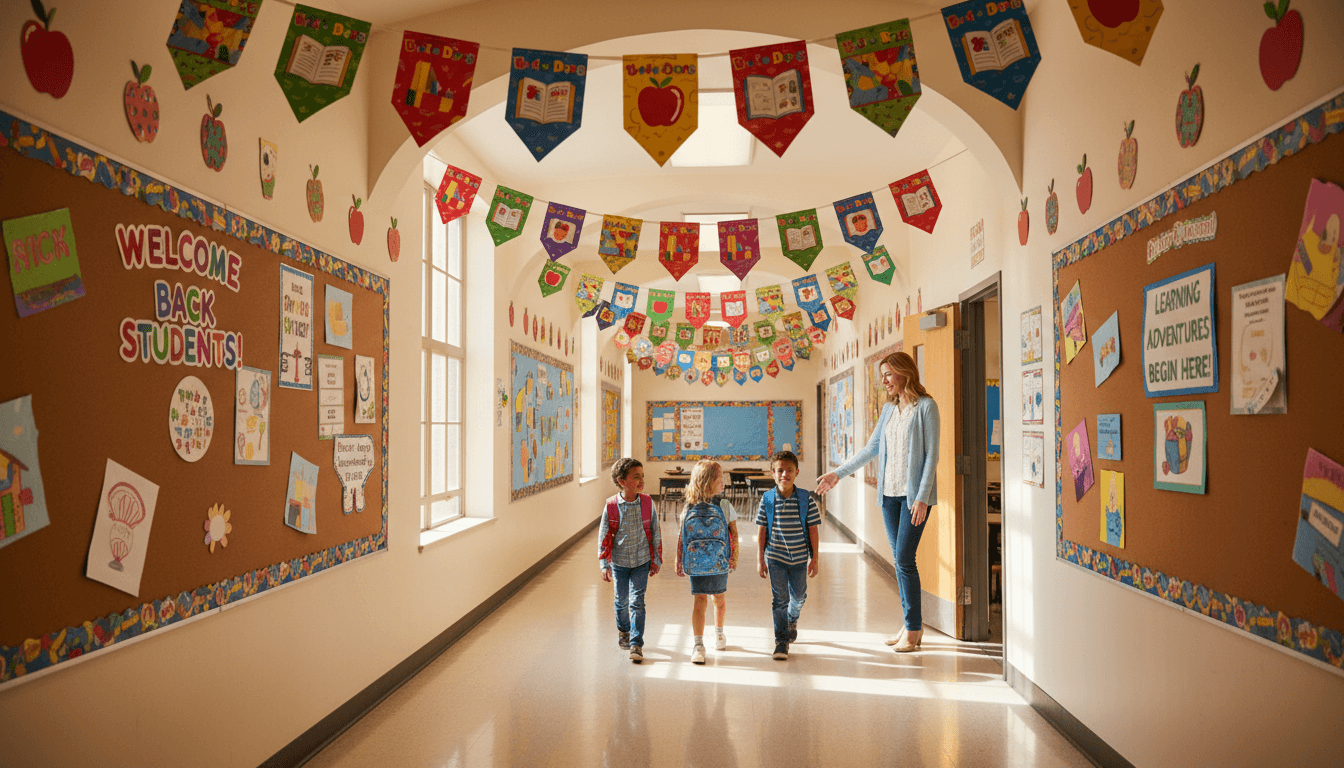
Back to School Classroom Walkthrough Newsletter: Showing Families the Room Before They Arrive
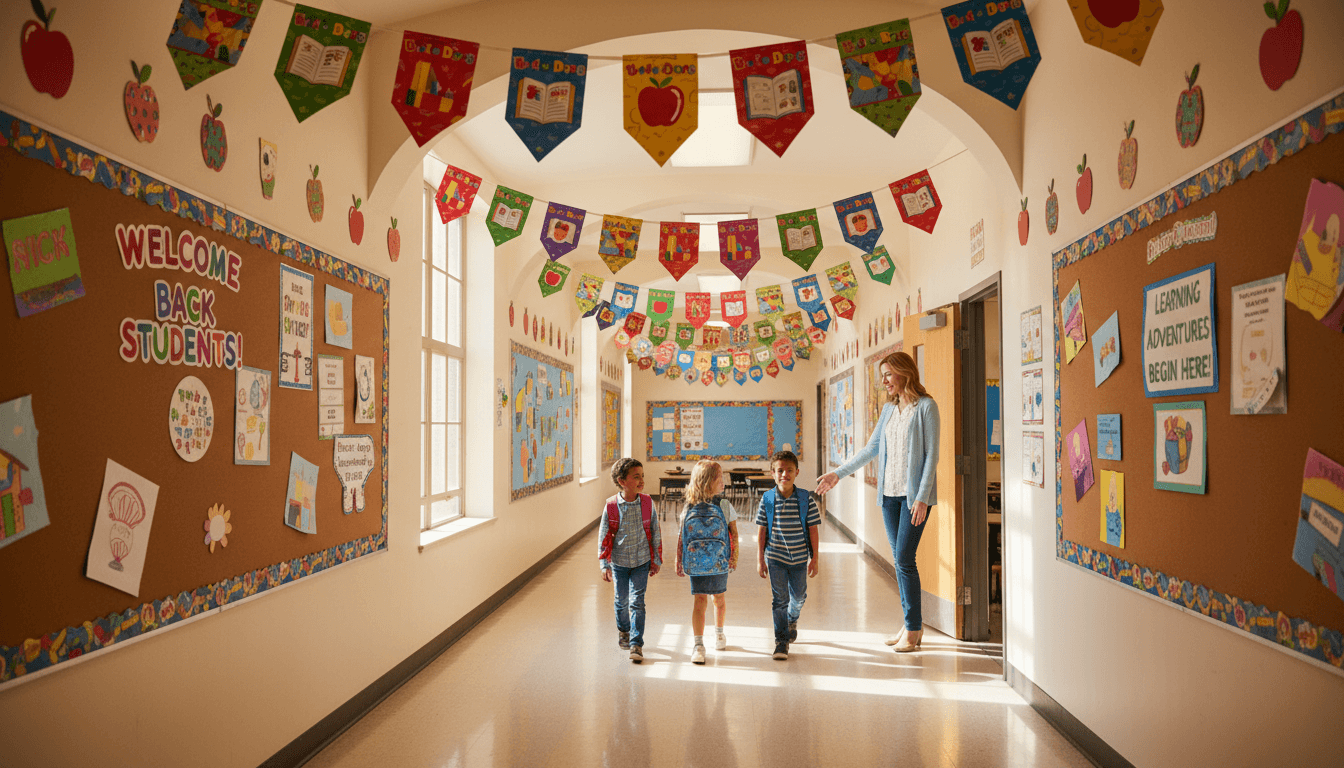
The first day of school is less scary for children who have already seen the room. A classroom walkthrough newsletter that includes photos and descriptions of the learning environment transforms an unknown space into a familiar one before the child ever walks through the door. For families with anxious children, this is one of the most practical things a teacher can do in the week before school starts.
Why a Visual Preview Matters for Children and Families
The anxiety of the first school day is often anxiety about the unknown. Where will I sit? Where is the bathroom? What does the teacher's face look like? What are the rules? Children who have never been to the school or who are transitioning to a new classroom carry all of these unknowns into a first day that is already sensory-heavy and socially demanding.
A classroom walkthrough newsletter provides at least partial answers to most of these questions before the first day. It does not eliminate first day nerves. But for a child who has already seen their cubby and knows where the morning meeting circle is, the emotional load of the first day is measurably lower.
What to Include in the Classroom Preview
A few clear photos of the classroom are more valuable than many. Key areas to photograph or describe: the classroom entrance and where students put their belongings, the seating arrangement, the daily schedule posted on the wall, the reading or independent work area, and something personal or inviting in the room, a bulletin board, a class library corner, or a special display.
If students have assigned seats or cubbies with name tags, mention that their name is already there waiting for them. "When you walk in on the first day, your name will be on your cubby and on your desk." That single piece of information reduces the first-day question "where do I go?" before it can generate anxiety.
Describing the Daily Schedule
Include a simple, readable version of the daily schedule: what happens first, when lunch is, when specials occur, and how the afternoon ends. Families can review this with their children so that the school day has a knowable shape before it starts. A child who knows that math comes after reading and lunch comes before science has a framework for the day rather than an open-ended expanse of unknowns.
For younger students, describe the routine in child-friendly language: "When you arrive, you will hang your backpack on your hook, find your seat, and start the morning activity on your desk. Then we will all come together for morning meeting." That description is more useful than a time-stamped schedule.
Classroom Rules and Expectations
Include a brief, positive description of the classroom community agreements or expectations. Not a list of what is not allowed, but a description of what the classroom looks and feels like when it is working well. "In our classroom, we take care of each other, take care of our materials, and take care of our learning." That kind of positive framing gives children a sense of what they are entering, not what they will be punished for violating.
Families who can review classroom expectations with their child before school starts support the first week's community-building rather than learning the rules reactively when their child receives a consequence they did not understand was coming.
An Invitation to Visit Before the First Day
If the school allows a family visit or open classroom time before the first day, include that information prominently in the newsletter. A child who has physically been in the room before the first day has an even stronger sense of familiarity than a child who has only seen photos. Even a brief walk through an empty classroom can significantly reduce a child's first-day anxiety.
Daystage makes it easy to send a classroom preview newsletter with embedded photos and descriptions before the school year starts, reaching every family with the visual information that turns an unknown room into a place a child is ready to walk into.
Get one newsletter idea every week.
Free. For teachers. No spam.
Frequently asked questions
Why should teachers send a classroom preview before the first day?
Many students, particularly younger children, children with anxiety, and children on the autism spectrum, experience significant distress about the unknown elements of a new classroom. A newsletter with photos or descriptions of the classroom allows these children to mentally preview the space and reduces the anxiety of encountering it for the first time on a high-stress, high-sensory first day.
What should a classroom walkthrough newsletter include?
Photos or descriptions of key classroom areas (where students sit, the reading corner, the supply area, the door and cubbies, the teacher's desk), the daily schedule posted on the wall, the classroom rules or expectations displayed, and a few details that make the space feel inviting and personal. Include where the student's seat or cubby is if names are already posted.
When should teachers send a classroom walkthrough newsletter?
Two to four days before the first day of school is ideal. Early enough for families to review it with their child multiple times before school starts, but close enough to the first day that the layout is unlikely to change significantly.
How do photos in a newsletter reduce first day anxiety for children?
Anxiety about the unknown is fundamentally reduced by making the unknown known. A child who has seen photos of where they will sit, where the bathroom pass is, and what the morning meeting circle looks like has a mental map of the environment that allows them to arrive with some sense of familiarity. This is especially impactful for children who have never visited the school before.
Can Daystage support classroom walkthrough newsletters with photos?
Daystage lets teachers send newsletters with embedded images that give families a visual preview of the classroom, the daily schedule, and the learning environment before the first day.

Adi Ackerman
Author
Adi Ackerman is a former classroom teacher and curriculum writer with 8 years in K-8 schools. She writes about school communication, parent engagement, and what actually works in real classrooms.
More for Back to School
Ready to send your first newsletter?
3 newsletters free. No credit card. First one ready in under 5 minutes.
Get started free