
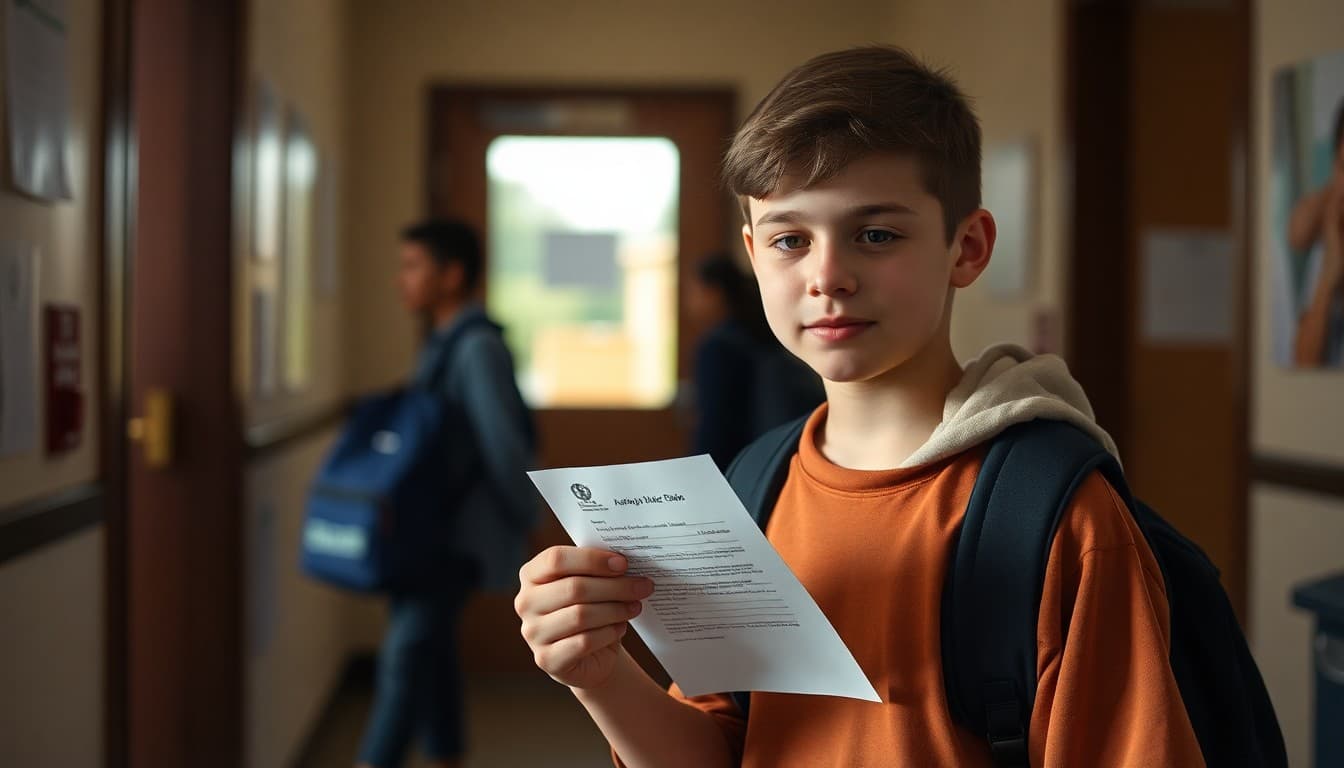
Medical Absence Newsletter: Documentation and Makeup Work

Medical absences are the most common type of school absence, and they generate a disproportionate share of the confusion and conflict at the front office. Families are not always sure what documentation is required, when they need a doctor's note rather than a parent note, what makeup work their child is responsible for, and what happens when an illness pattern becomes frequent enough to be identified as chronic absenteeism. A medical absence newsletter that answers all of those questions clearly reduces the friction significantly for families who are already managing a sick child.
Parent Notes vs. Doctor Notes: When Each Is Required
The distinction between when a parent note is sufficient and when a doctor's note is required is one of the most asked questions in any attendance office. Most schools accept a parent-written and signed note for absences of one to two days when illness is the reason and there is no documented pattern of concern. When a single illness extends beyond three consecutive school days, a note from a licensed healthcare provider becomes necessary. This is not because the school doubts the parent; it is because an illness lasting more than three days carries a clinical dimension that documentation should reflect. The newsletter should state this threshold plainly so families do not discover it on day four of an illness when the note they brought is not sufficient.
What the Doctor's Note Must Include
Healthcare providers vary considerably in what they include in absence notes. Some write a single sentence on a prescription pad. Others provide a detailed letter on office letterhead. The newsletter should tell families what information the school requires at minimum: the student's name, the dates of the illness or medical visit, the provider's name and contact information, and a statement that the student was under the provider's care during the absence period. A note that says only "please excuse Emma's absence" without dates or provider identification is not sufficient documentation in most districts.
Accommodations for Chronic Medical Conditions
Students who miss school regularly due to a chronic health condition, such as asthma, Type 1 diabetes, epilepsy, Crohn's disease, or a mental health condition requiring medical management, are best served by a proactive accommodation plan rather than a case-by-case review of every absence. The newsletter should describe the two most common frameworks: a health plan developed by the school nurse (sometimes called an Individual Health Plan), and a 504 plan that documents how the school will accommodate the health condition. Families who understand these options can request them proactively rather than waiting for the absence pattern to trigger a truancy intervention.
Homebound Instruction: What It Is and How to Access It
Homebound instruction is one of the least-known support options in most school districts and is unavailable to most families unless they ask. When a student's medical condition is expected to prevent school attendance for 10 or more consecutive school days, the family can request homebound instruction, which provides certified teachers to deliver instruction to the student at home or remotely. The request requires documentation from a licensed healthcare provider and approval from the district. Homebound instruction is not a permanent alternative to school attendance; it is a bridge service for specific medical situations. The newsletter should describe the request process and provide the contact for the district's homebound instruction coordinator.
Template Excerpt: Medical Absence Documentation Newsletter
Here is an excerpt that covers the core medical absence procedures:
"Medical Absence Documentation: For absences of 1 to 2 days due to illness, please send a written note signed by you within two school days of your child's return. For absences of 3 or more consecutive days, please have your child's healthcare provider write a note confirming the illness and the dates. If your child has a chronic medical condition that causes frequent absences, contact our school nurse at [contact] to develop a health plan that streamlines documentation. For extended absences expected to last more than 10 consecutive days, contact the attendance office to discuss homebound instruction options."
Makeup Work for Medical Absences
The standard makeup work policy, which gives students one day per absence day with a capped window, often does not work well for extended medical absences. A student who misses three weeks of school and returns for the last week of a grading period cannot realistically complete three weeks of makeup work in a few days while also keeping up with current assignments. The newsletter should acknowledge this and describe the process for requesting a modified makeup work plan for extended absences: which staff member to contact, what information to bring, and how the modified timeline is documented and communicated to the student's teachers.
When Illness-Related Absences Trigger Chronic Absenteeism
A student whose medical absences accumulate to 10% or more of the school year will be identified as chronically absent even if every absence was excused with documentation. This surprises many families who believe that documented illness absences are immune from the chronic absenteeism calculation. The newsletter should address this reality directly and describe what the school does when this happens: not punitive intervention, but a conversation about whether a health plan, homebound instruction, or other accommodation can reduce the academic impact of ongoing medical absences and whether the school can provide additional academic support during periods of illness-related absence.
Get one newsletter idea every week.
Free. For teachers. No spam.
Frequently asked questions
What documentation does a school require for a medical absence?
For a single-day illness, most schools accept a parent note submitted within two to three school days of the student's return. For absences of three or more consecutive days due to illness, most districts require a note from a licensed healthcare provider that includes the dates of the illness, a general reason for the absence, and clearance for the student to return. Some schools require the note on the provider's official letterhead or form.
What happens when a student has a long-term medical condition that causes frequent absences?
Students with chronic medical conditions that cause frequent absences may qualify for a medical accommodation plan, sometimes called a health plan or 504 plan, that documents the condition and establishes procedures for absences, makeup work, and reintegration. The school nurse, counselor, and attendance officer coordinate these plans with the family and the healthcare provider. A proactive accommodation plan prevents each absence from being processed as a new event and reduces the administrative burden on the family.
What is homebound instruction, and when does it apply?
Homebound instruction provides academic services to students who cannot attend school due to a medical condition expected to last 10 to 15 or more consecutive school days. A licensed healthcare provider certifies the need. The district then assigns a homebound teacher who visits the student or provides instruction remotely. The service is not available for short-term illnesses but is important for students recovering from surgery, managing a serious health crisis, or dealing with a condition that prevents physical attendance for an extended period.
How much time does a student have to complete makeup work after a medical absence?
Most districts allow one day of makeup time for each day of excused absence, often with a cap of ten school days total. For extended medical absences, the makeup work timeline should be negotiated individually between the family, teachers, and the attendance office, as expecting a student to complete three weeks of makeup work in three weeks upon return is often not realistic. A written plan with a modified timeline, approved by the school counselor, protects both the student and the teachers.
Can Daystage help schools communicate medical absence procedures to families?
Schools use Daystage to send medical absence policy newsletters at the start of the year and as-needed when a student has an extended absence. The newsletter format allows schools to include links to the homebound instruction application, the accommodation plan request form, and the nurse's contact information in one organized communication.

Adi Ackerman
Author
Adi Ackerman is a former classroom teacher and curriculum writer with 8 years in K-8 schools. She writes about school communication, parent engagement, and what actually works in real classrooms.
More for Attendance
Ready to send your first newsletter?
3 newsletters free. No credit card. First one ready in under 5 minutes.
Get started free