

Wrestling Team Newsletter: Tournament Schedule and Updates
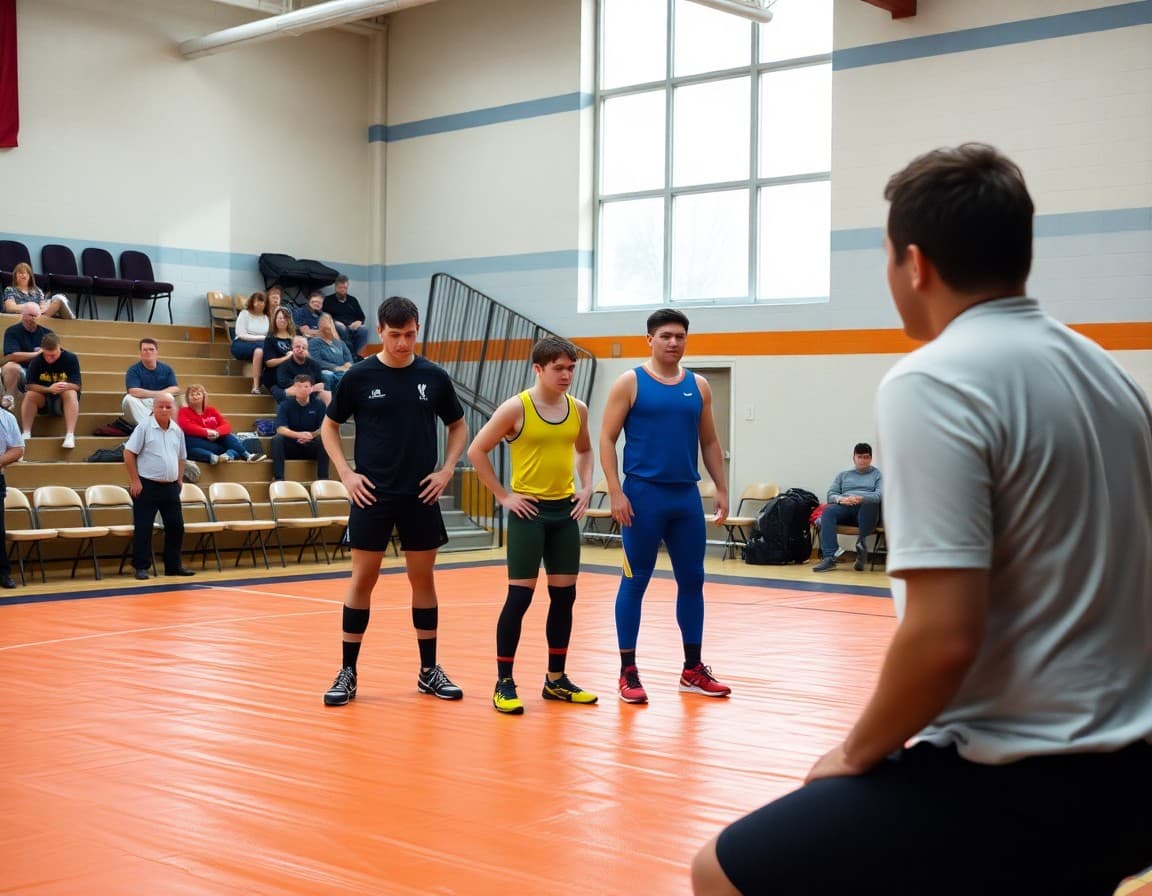
Wrestling may be the most misunderstood sport in a high school athletic program. Scoring is complex, weight classes are foreign to most families, and the physicality of the sport raises questions about safety that need to be addressed directly. A good wrestling team newsletter translates all of this for families who want to support their athlete but do not yet speak the sport's language.
Weight Classes and Certification: What Families Need to Know
Wrestling competition is organized by weight classes to ensure athletes compete against opponents of similar size. High school weight classes are established by each state's athletic association but typically range from 106 pounds to 285 pounds with intervals across 14 to 15 classes. An athlete must compete at a weight class at or above their certified minimum weight, which is determined by a body composition test at the start of the season.
Your opening newsletter should explain: "Before any athlete can compete, they must complete the NWCA Weight Management Certification with our school's certified test administrator. This process determines your child's minimum wrestling weight -- the lowest weight class they may compete in this season. The certification date is [date] at [location]. All wrestlers must attend. Contact Coach [name] with questions."
Addressing Weight Management and Health
Unhealthy weight cutting is a historical problem in wrestling that has been addressed through rule changes and mandatory certification programs in most states. Families worry about this, and their concerns are legitimate. Your newsletter should address it directly and not leave families to wonder.
A clear policy statement: "Our program does not support or encourage unsafe weight cutting practices. Our athletes are required to maintain their certified minimum weight and are not permitted to compete below it. Any weight management concerns should be directed to our certified athletic trainer, [name], at [contact]. We take athlete health seriously and welcome conversations about this topic."
How Dual Meets Work
A dual meet is a team competition between two schools. Each weight class produces a match, and the winning wrestler earns points for their team: 6 for a pin, 5 for a technical fall (winning by 15 points), 4 for a major decision (winning by 8-14 points), 3 for a decision (winning by 1-7 points), and 2 for a forfeit (when the opponent does not have a wrestler at that weight class). Team totals determine the winner.
Walk families through this scoring in your first newsletter. A parent who understands what a "tech fall" is will be more engaged during the match than one who does not know why everyone cheered when the score differential hit 15.
A Template Season Preview Section
Here is an opening section for a wrestling season newsletter:
"Wrestling season begins with the weight certification process on [date] at [time] in [location]. All athletes must be certified before they compete. Practice begins [date] at [time] in [location]. Required equipment: headgear, mouthguard, and wrestling shoes (available at most sporting goods stores, approximately $40-$80). Our first dual meet is [date] vs. [opponent] at [home/away] starting at [time]. Tournament schedule is included below. Questions about weight certification or health: contact [athletic trainer] at [contact]."
Tournament Logistics for Families
Wrestling tournaments are long, loud, and organized in ways that require explanation. Pool brackets, round-robin formats, and championship rounds all need to be explained before the first tournament. Families need to know: typical tournament duration (6 to 8 hours for larger invitationals), whether concessions are available, where to sit to watch their specific weight class, and how to find results.
One practical tip worth including: "Tournament brackets are posted at the scorer's table and updated continuously throughout the event. To find when your child wrestles, check the bracket for their weight class. We will also post updates to [platform] throughout the day."
Wrestling Safety Communication
Wrestling parents worry about injury. Skin conditions (ringworm, impetigo, and other skin infections are a known risk in wrestling) are a particular concern. Your newsletter should address the school's skin condition inspection policy -- most state athletic associations require coaches to inspect athletes for skin conditions before each competition and exclude athletes with active infections.
Covering this in your newsletter preemptively: "Before each competition, our coaching staff inspects athletes for any skin conditions that could be contagious. An athlete with an active skin condition will be withheld from competition until cleared by a physician. This policy protects all wrestlers. If your child has a skin concern, please contact the athletic trainer before the next practice."
Senior Night and Postseason Communication
Wrestling Senior Night typically occurs at one of the final home dual meets of the season. The postseason -- conference tournament, district tournament, regional tournament, and state tournament -- follows a bracket format similar to the regular season tournaments. Athletes who advance at conference may continue through multiple weeks of postseason competition. Communicate the full postseason bracket schedule in advance so families of advancing athletes can plan their attendance.
Get one newsletter idea every week.
Free. For teachers. No spam.
Frequently asked questions
What do wrestling families need to know that other sports families do not?
Wrestling families need specific information that is unique to the sport: weight classes and how they work, the weight certification process, weight management health policies, weigh-in times and procedures, the dual meet vs. tournament format difference, and how wrestling scoring works (pins, tech falls, major decisions, decisions, and forfeits). Most families are not familiar with these elements when their child joins the team. A first-season newsletter that walks through these basics prevents the questions that otherwise arrive individually throughout the year.
How should a wrestling newsletter address weight management?
Weight management is a sensitive and legally significant topic in wrestling. Most states now require weight certification through the NWCA Weight Management Program, which establishes a minimum competition weight and restricts the rate of weight loss. Your newsletter should explain this system clearly and state the school's policy on weight management practices. Including a brief statement that the coaching staff does not support or encourage unhealthy weight cutting practices, and providing the contact for the school athletic trainer, signals to families that the program prioritizes athlete health.
How does a dual meet differ from a tournament in wrestling?
A dual meet pits two teams against each other with one wrestler competing per weight class, resulting in a team score of up to 14 points per weight class win. A tournament has multiple schools competing simultaneously, with athletes advancing through bracket rounds based on wins. Tournaments are typically all-day events and may span multiple days for larger invitationals. Families need to understand both formats to plan attendance and understand their child's schedule on competition days.
What are the most important things to include in a wrestling season preview newsletter?
A wrestling season preview should cover: the weight certification timeline (athletes must complete this before competing), weigh-in procedures and times, the full season schedule with home and away designation, the dual meet vs. tournament breakdown, coaching staff contacts, required equipment (headgear, mouthguard, wrestling shoes), and the athletic trainer's contact for weight management questions. This is more front-loaded than most sports newsletters because wrestling has more unique rules families need to understand before the season starts.
Can Daystage help wrestling programs communicate more effectively with families?
Yes. Daystage lets wrestling coaches build a professional newsletter with tournament brackets, season schedule, and weight class information all in one send. You can include photos from matches and a note from the coach in a format that looks professional and gets opened. Wrestling programs that communicate consistently through the season using Daystage report that parent conference attendance at tournaments is higher and that weight management questions from families decrease because the policy was communicated clearly from the start.

Adi Ackerman
Author
Adi Ackerman is a former classroom teacher and curriculum writer with 8 years in K-8 schools. She writes about school communication, parent engagement, and what actually works in real classrooms.
More for Athletics
Ready to send your first newsletter?
3 newsletters free. No credit card. First one ready in under 5 minutes.
Get started free