

Volleyball Team Newsletter: Match Schedule and Team Updates
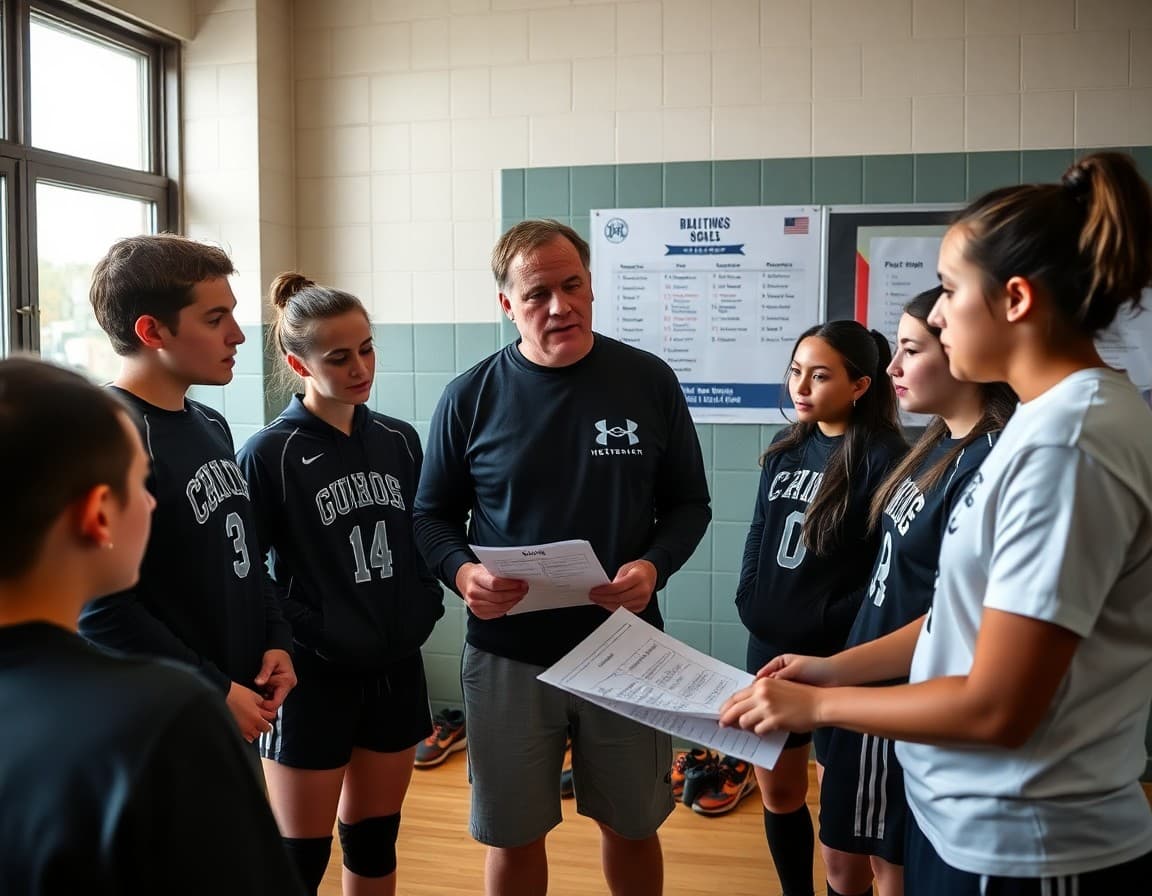
Volleyball runs two or three teams simultaneously in most high schools, with JV matches starting before varsity on the same night. A volleyball team newsletter that serves the full program clearly -- instead of assuming every family knows which team plays when -- prevents the most common game-night confusion and keeps parents engaged across the whole season.
The Opening Newsletter: Setting the Stage
Your first volleyball newsletter of the season should establish the match format that will repeat all season. Explain the schedule structure for home matches: "JV matches begin at 5:00 p.m. Varsity follows at approximately 6:30 p.m. or immediately after JV concludes. Plan to arrive 15 minutes before your child's match starts. Doors open to spectators at [time]." Families who know this from the first issue are not driving up at 6:45 p.m. asking why the gym is already half done with the first set.
The first newsletter should also cover uniform requirements and care instructions, practice schedule and facility, coaching staff introductions with contact information, and the booster club or parent volunteer opportunities for the season.
Match Night Communication: What Families Need to Know
Volleyball match nights involve logistics that basketball or football parents may not expect. The matches use rally scoring to 25 points in each set, and the energy of the game can change quickly. Home match hosting duties often include concessions, score table operation, and line judge volunteering. If your program asks for family help at home matches, recruit through the newsletter well before the first home game and include a specific sign-up link rather than a general request.
For away matches, include travel information: departure time, destination address, approximate return time. Families who want to drive separately to away matches need the location and start time. Families whose athletes ride the bus need to know when to expect pickup at school.
A Template Preseason Match Schedule Section
Here is a schedule section format that works for volleyball:
"Home matches begin at 5:00 p.m. (JV) / 6:30 p.m. (V). Away match transportation departs [time] from [location]. Families driving to away matches: addresses and directions are listed below. Please note that [date] and [date] are tournament days -- see the tournament section below for schedule and format details."
Then list the schedule in a simple table: date, opponent, home or away, JV time, varsity time. Keep this format consistent through every issue so families know exactly where to look.
Tournament Format Explanation
Volleyball tournaments are a regular part of the fall schedule, and they work differently than regular matches. Pool play involves multiple short matches against different opponents over the course of a morning or afternoon, followed by bracket play to determine final placement. Families who have not attended a tournament may not know that an athlete could be competing across a five-to-seven-hour window.
A brief tournament explanation in your first newsletter prevents the "why is this taking all day?" call at the first tournament: "Our [date] tournament will begin at [time] and run through approximately [time]. Athletes will compete in [number] pool play matches followed by bracket play. Athletes should plan to stay for the full tournament. Families are welcome to attend throughout the day. Food [is/is not] available at the venue -- pack accordingly."
Player Development Communication Without Identifying Individuals
Families want to know their child is developing. A newsletter that addresses team development in aggregate terms -- "We've been focusing heavily on serve receive this week and seeing real improvement" or "Our serving percentage at the net has improved 15 percent since the first practice" -- gives families the sense that coaching work is happening without identifying individuals or setting up comparisons. Families feel better about the program when they can see evidence of coaching attention even in a general newsletter.
Conference Standings and Playoff Implications
As the season progresses, families become increasingly interested in conference standings and playoff implications. A weekly newsletter that includes the current conference standing -- a simple list of teams and records -- contextualizes each match result in the broader season picture. Families who understand the playoff implications of each remaining match are more motivated spectators and more supportive team community members.
Season Wrap-Up Newsletter
The final newsletter of the season should recap the year's record and accomplishments, recognize the senior class, acknowledge specific coaching moments or milestones, thank parent volunteers and booster contributors by name (with permission), and look ahead to the next season for returning players. This issue has the highest emotional weight of any newsletter in the season and deserves the most time and care. Families who receive a thoughtful season wrap-up remember the program fondly regardless of the win-loss record.
Get one newsletter idea every week.
Free. For teachers. No spam.
Frequently asked questions
What makes a volleyball team newsletter different from other sports newsletters?
Volleyball match schedules often include both varsity and junior varsity teams playing at the same venue on the same night, with JV typically starting at 5 p.m. and varsity following at 6 or 6:30 p.m. Families need to know this format so they arrive for the right team's start. Volleyball scoring (rally scoring, sets to 25, best of 3 or 5) also needs explaining for families new to the sport, and tournament formats (pool play to bracket) differ from regular season play in ways that affect how long families should plan to stay.
How do you handle communication for multiple volleyball levels in one newsletter?
The most readable format for a multi-level volleyball newsletter has a separate section for each team (freshmen, JV, varsity) with its own schedule, record, and coach contact. A master match calendar at the top showing all teams and all matches in one view helps families with players on multiple levels see the full picture. Avoid merging all teams into one narrative -- parents of JV players need JV-specific information without having to search through varsity content to find it.
What should a volleyball newsletter include after a tournament?
A post-tournament recap newsletter is one of the highest-engagement newsletters you can send. Include the tournament placement, standout team moments, individual achievements the coaching staff wants to recognize, and photos from the event. Keep the recap focused on the team's experience and growth rather than statistics unless your program has approved a player recognition policy. Families who could not attend the tournament feel connected to the team through a well-written recap.
How should a volleyball coach handle newsletter communication about team selection and cuts?
Team selection decisions should never be communicated or explained in a newsletter. Cuts are individual conversations between the coach and the athlete. The newsletter comes after the team is selected, starting the season on a forward-looking note. If cuts occur and families have questions, the appropriate channel is a direct conversation with the coach, not a reply to the team newsletter. Establish this norm in your first issue by providing a specific contact method for questions about individual situations.
Can Daystage help volleyball programs manage both the JV and varsity newsletter in one system?
Yes. Daystage lets volleyball coaches manage separate subscriber lists for JV and varsity families or send a combined newsletter with clear sections for each team. You can include match schedules, tournament brackets, and photos all in one send. Coaches who use Daystage report that match night parent communication improves significantly -- families who know in advance what to expect from the schedule show up at the right time and with the right expectations.

Adi Ackerman
Author
Adi Ackerman is a former classroom teacher and curriculum writer with 8 years in K-8 schools. She writes about school communication, parent engagement, and what actually works in real classrooms.
More for Athletics
Ready to send your first newsletter?
3 newsletters free. No credit card. First one ready in under 5 minutes.
Get started free