

Track and Field September Newsletter: Season Updates for Families
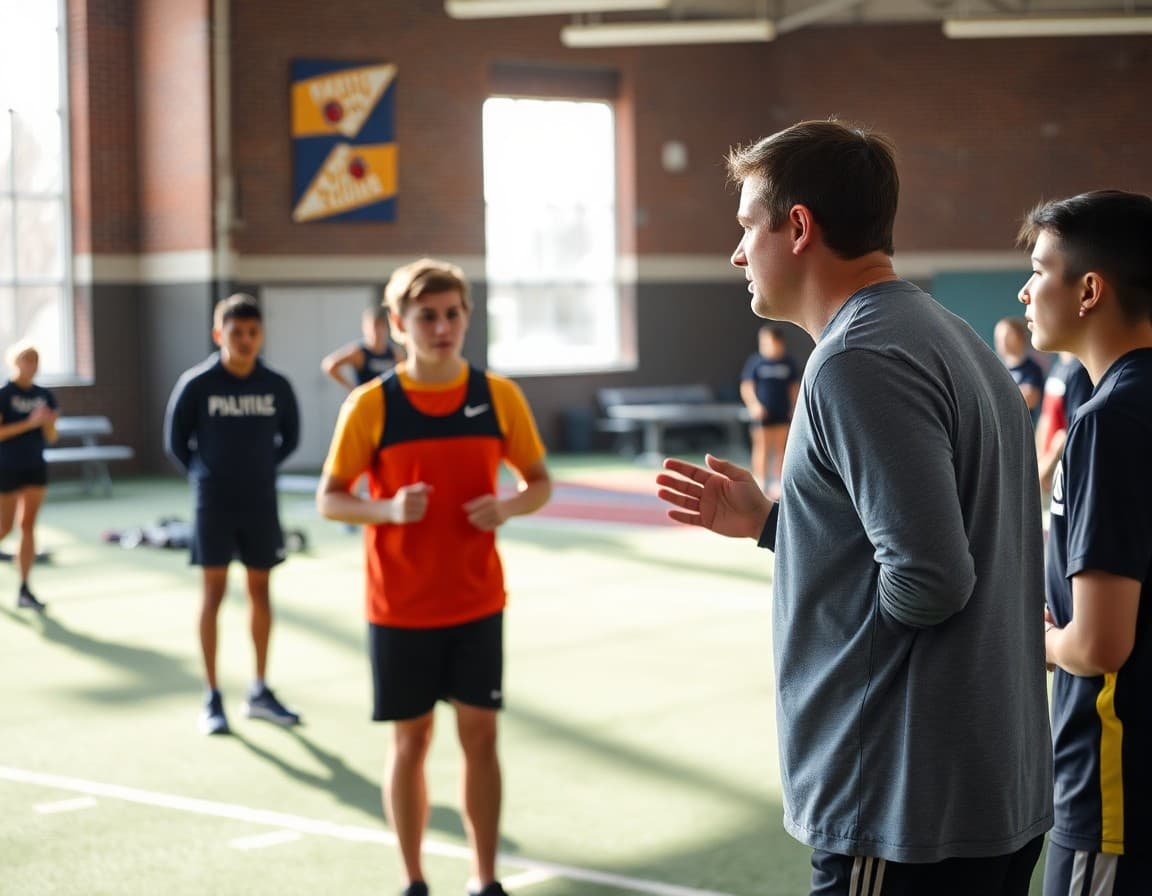
Track and field in September is about staying connected and staying ready. The spring season is months away, but athletes who are consistent in their fall development arrive at February practice significantly ahead of those who took the fall off entirely. A September newsletter keeps families informed and athletes motivated during the quiet stretch.
Fall Conditioning Update
Give families a sense of what fall conditioning has looked like and what athletes in different event groups are working on. Sprinters focused on form and acceleration. Distance athletes building mileage base. Jumpers working on approach consistency. Throwers on technique fundamentals. A brief note per event group shows families that fall conditioning is purposeful and individualized, not generic fitness maintenance.
Cross Country Season Connection
September is peak cross country season. Many of your track athletes, especially distance runners and multi-eventers, are competing in cross country right now. Acknowledge this directly. Note that coaches are coordinating to manage workload for dual-sport athletes and that cross country training is directly beneficial to spring track performance. Families who feel like both programs are communicating and cooperating are less anxious about the demands on their athlete.
Indoor Track Season Preview
If your school or district participates in an indoor track season starting in November or December, give families an early preview. Describe what the indoor season includes, how it differs from outdoor competition, what the meet schedule typically looks like, and what equipment athletes need for an indoor facility. Families who plan ahead around winter sports schedules appreciate this information months before it becomes urgent.
Winter Training Schedule Outline
Give families a rough picture of what winter training will look like after cross country season ends. When will track conditioning sessions begin? What will the focus be for each event group? Will there be any team events or meetings over winter break? A preliminary outline, even one that is subject to change, helps families plan and signals that the program is organized well beyond the current season.
College Recruiting for Track Athletes
Track recruiting has a different timeline than team sport recruiting. College coaches often evaluate athletes at indoor meets in January and outdoor meets in the spring. A brief note for junior families about when recruitment activity typically ramps up and who to contact for questions is genuinely useful. If any athletes have received offers or made commitments, include a factual note if the information has been shared publicly.
Equipment Preparation
Give families a reminder about spring equipment needs. Spikes for outdoor competition, appropriate footwear for each event group, and any throwing implements athletes may need for personal practice. Families who buy equipment in the fall have it ready in February instead of scrambling at the start of the season. A brief equipment list saves coaching staff time at the start of preseason.
Sample September Newsletter Section
Here is a template excerpt:
"Fall conditioning continues Tuesdays and Thursdays through October 17. Cross country athletes should discuss fall training load with both coaches if they have questions. Indoor track season begins November 24. Facility sessions run Monday and Wednesday at the Riverside Fieldhouse starting December 1. Spring preseason begins February 16."
Building Toward February from September
The athletes who make the biggest improvements from September to the spring state meet are often the ones who were consistent in their fall development and connected to the program year-round. A September newsletter helps sustain that connection. Daystage makes sending it straightforward even in the middle of a busy fall calendar. The newsletter is brief, but the community investment it builds lasts all season.
Get one newsletter idea every week.
Free. For teachers. No spam.
Frequently asked questions
What does a September track and field newsletter cover?
September is mid-fall for track programs. Cover conditioning updates, cross country season progress for dual-sport athletes, winter training preview, and early spring planning. Keep it brief since the main season is still months away.
How do track coaches communicate with families of cross country athletes in September?
Cross country families are receiving separate communication from the cross country program. A brief acknowledgment in the track newsletter that the programs are coordinating for dual-sport athletes avoids confusion and reassures families that their athlete's interests are being managed jointly.
What indoor track communication should happen in September?
If your program participates in an indoor track season, families need early notice. Indoor schedules, facility access, equipment requirements, and how the indoor season differs from outdoor competition all belong in a September preview if the indoor program begins in November or December.
Should September track newsletters include any recruiting information?
For programs with junior or senior athletes receiving college interest, a factual note is appropriate if the athlete has consented to sharing it. A brief general note about the recruiting timeline for track athletes, including key evaluation windows and who to contact with questions, is helpful for families new to the process.
How does Daystage keep track families engaged during the offseason months?
Daystage keeps your subscriber list active year-round. A brief monthly newsletter during the fall and winter maintains the communication relationship so families are not surprised by a sudden burst of information when spring preseason begins in February.

Adi Ackerman
Author
Adi Ackerman is a former classroom teacher and curriculum writer with 8 years in K-8 schools. She writes about school communication, parent engagement, and what actually works in real classrooms.
More for Athletics
Ready to send your first newsletter?
3 newsletters free. No credit card. First one ready in under 5 minutes.
Get started free