
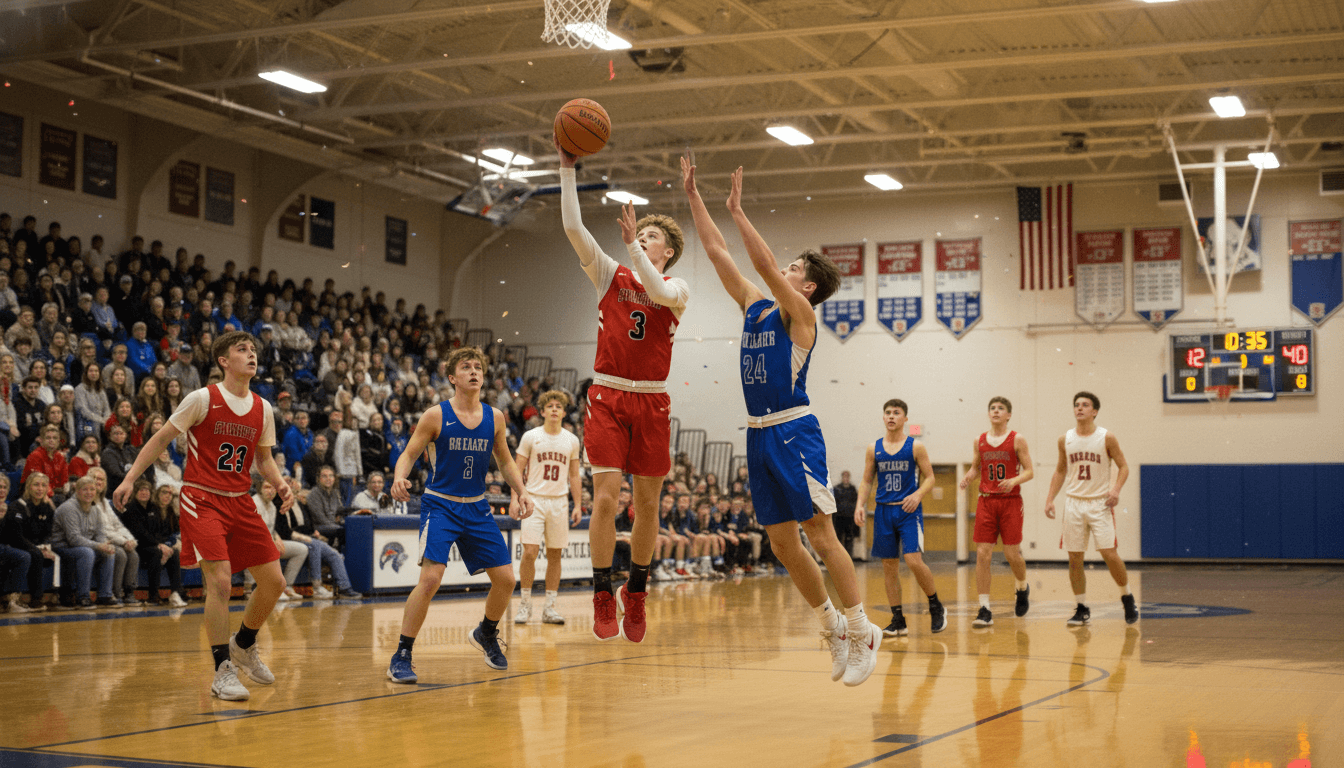
School Winter Sports Newsletter: Basketball, Wrestling, and Indoor Athletics Communication
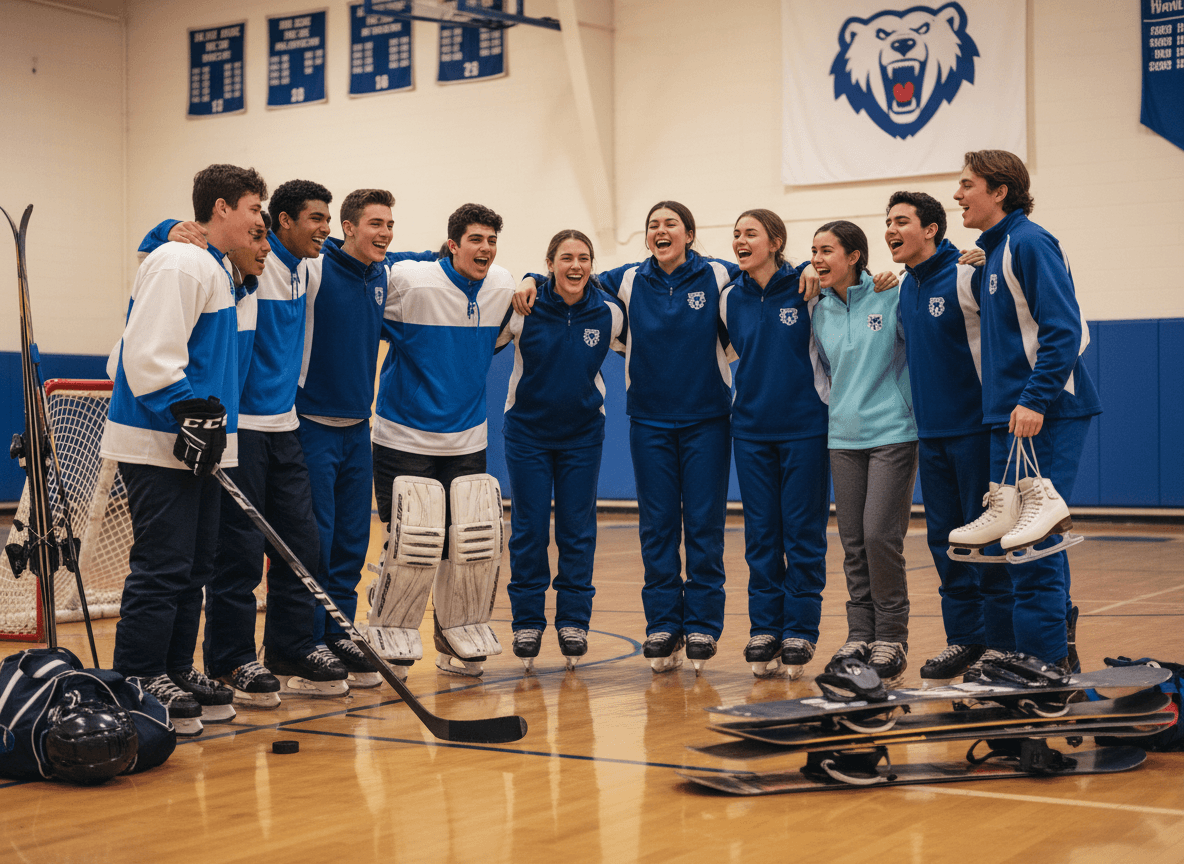
Winter sports occupy the most compressed part of the school athletic calendar. Basketball, wrestling, swimming, indoor track, volleyball, hockey, and gymnastics programs are all competing for gym time, family attention, and communication bandwidth simultaneously. The winter sports newsletter has to be more organized than fall or spring communications because the schedule is denser and the overlap between programs is greatest.
Here is how to structure winter sports communication from season launch through the final event.
The winter season launch newsletter
Winter sports typically begin in late November or early December for most US schools. The season launch newsletter should reach families before the first official practice, covering everything they need to know to start the season prepared.
The season launch packet for winter sports mirrors the general pre-season newsletter format but should acknowledge the specific challenges of the winter calendar: holiday breaks that interrupt practice schedules, weather events that affect transportation and cancellations, and the indoor venue logistics that are different from fall sports.
Cover physical examination and medical clearance deadlines early. Many students who participated in fall sports have current physicals. Students who did not play fall sports may need to schedule appointments before November, which means the notification should go out in October, not the week before tryouts.
Indoor venue logistics families need to know
Indoor sports have venue logistics that outdoor sports do not. Gym capacity limits for spectators, seating sections for home and visiting families, whether outside food and drinks are permitted, and whether the entrance location differs from the main school entrance are all details that matter to families attending evening home games for the first time.
Gym floors are treated differently than outdoor athletic surfaces. Policies about shoes on the gym floor, whether families may walk through the practice area, and where to enter the gym without crossing the court should be in the newsletter rather than communicated through signs at the door.
For wrestling, the mat area is a competition surface with specific protocols around who may be on or near it during competition. Families who have never watched wrestling do not know this. Brief explanations of venue protocols in the first newsletter of the season prevent situations where well-meaning parents create problems by being in the wrong place.
Holiday tournament communication
Winter sports seasons in most states include holiday tournaments between Thanksgiving and January. These tournaments often take place during school breaks when family schedules are already complex. The newsletter covering holiday tournaments should be sent well in advance, ideally four to six weeks before the event, to give families maximum planning time.
Holiday tournaments often span multiple days and may involve travel. If the tournament is hosted at a neutral site or another school, include complete venue information and directions. If overnight travel is involved, explain the supervision, accommodation, and meal arrangements clearly. Parents who are sending their student on an overnight trip with the team for the first time need more detail than parents who have done this before.
Specify whether families are expected or encouraged to attend holiday tournaments. Some programs treat holiday tournaments as team-only events with limited parent presence. Others treat them as major events the whole community attends. Let families know which applies.
Winter weather cancellation protocol
Unlike fall sports where weather cancellations are usually about field conditions or lightning, winter sports cancellations are driven by road conditions and school closures. The protocol for communicating winter weather cancellations has more variables than other seasons.
The newsletter should explain how travel games are affected by school closure decisions. If the home school cancels school but the visiting school does not, is the game still played? What happens if a game is cancelled because of conditions at the visiting school's location rather than your own? These scenarios happen every winter and generate a significant volume of parent questions when the protocol is not established in advance.
Identify the official communication channel for winter weather cancellations and the timing of those announcements. "Game status for tonight's away game will be confirmed by 2 PM via the school's athletic department email and the main school website" is a commitment families can rely on. Vague promises to "let you know" are not.
The wrestling newsletter specifically
Wrestling has specific communication needs that most other winter sports do not share. Weight classes, the weigh-in process, weight management requirements, and the individual match format require explicit explanation for families new to the sport.
The pre-season wrestling newsletter should address the weight class system, how a student's competition weight class is determined, the weigh-in procedure on competition days, and what the NFHS and state guidelines are around weight management for young athletes. Many families have concerns about weight cutting practices. Addressing those concerns directly in the newsletter, by explaining the safety protocols your program uses, is far better than leaving families to research the topic independently.
End-of-winter-season communication
Winter sports seasons typically end in February or March, often followed immediately by spring sports tryouts. The final winter sports newsletter should cover end-of-season recognition, banquet or ceremony details if applicable, equipment return deadlines, and a transition communication pointing families to spring sports opportunities.
For programs that use Daystage, the end-of-season newsletter can include a link to the spring sports registration page or a preview of spring sports tryout dates. Families who are considering switching sports or adding a spring sport have a short window between winter and spring seasons. Early communication keeps that window open.
Managing multiple winter sports simultaneously
Athletic departments running basketball, wrestling, swimming, and indoor track simultaneously face a coordination challenge that other seasons do not present as acutely. Families of multi-sport students may receive newsletters from three different programs in the same week.
The athletic director's newsletter should serve as the coordination layer, covering cross-program calendar information and any shared gym or facility scheduling that affects multiple sports. Individual sport newsletters handle sport-specific content. Clear delineation of what goes where prevents repetition and contradictions.
Get one newsletter idea every week.
Free. For teachers. No spam.
Frequently asked questions
When should athletic directors send the winter sports season newsletter?
Send the season launch newsletter in October, before physical examination deadlines for students who did not play fall sports. Winter sports typically begin in late November, and a physical appointment scheduled in October is far easier to obtain than one scheduled the week before tryouts.
What should a school winter sports newsletter include?
Cover physical clearance deadlines with attention to students entering from fall sports versus first-season athletes, indoor venue policies including gym floor rules and spectator seating, holiday tournament logistics with full venue addresses and supervision details for overnight travel, and the winter weather cancellation protocol with a specific announcement time and official notification channel.
How should coaches communicate holiday tournament logistics to parents?
Send the holiday tournament newsletter four to six weeks before the event. Include venue address, game schedule, whether families are expected or welcome, and full details on supervision, accommodation, and meal arrangements if overnight travel is involved. First-time tournament families need significantly more context than returning families.
What are common mistakes in winter sports communication?
Not distinguishing physical clearance requirements for fall-to-winter transition athletes versus first-season athletes causes preventable confusion at tryout registration. For wrestling specifically, not addressing weight class and weigh-in procedures in the pre-season newsletter leaves families to research weight management practices independently, often with alarming results.
How does Daystage support winter sports newsletter production?
Athletic directors using Daystage can build the winter sports launch newsletter with reusable sections for venue policies and cancellation protocols, then point families toward spring sports tryout dates from the end-of-winter newsletter before the transition window closes.

Adi Ackerman
Author
Adi Ackerman is a former classroom teacher and curriculum writer with 8 years in K-8 schools. She writes about school communication, parent engagement, and what actually works in real classrooms.
More for Athletics
School Athlete of the Month Newsletter: How Recognition Programs Build Athletic Community
Athletics · 5 min read
School Dance Team Newsletter: Communication Strategies for Coaches and Directors
Athletics · 5 min read
School Sports Awards Banquet Newsletter: Celebrating Athletes and the Year in Review
Athletics · 5 min read
Ready to send your first newsletter?
3 newsletters free. No credit card. First one ready in under 5 minutes.
Get started free