
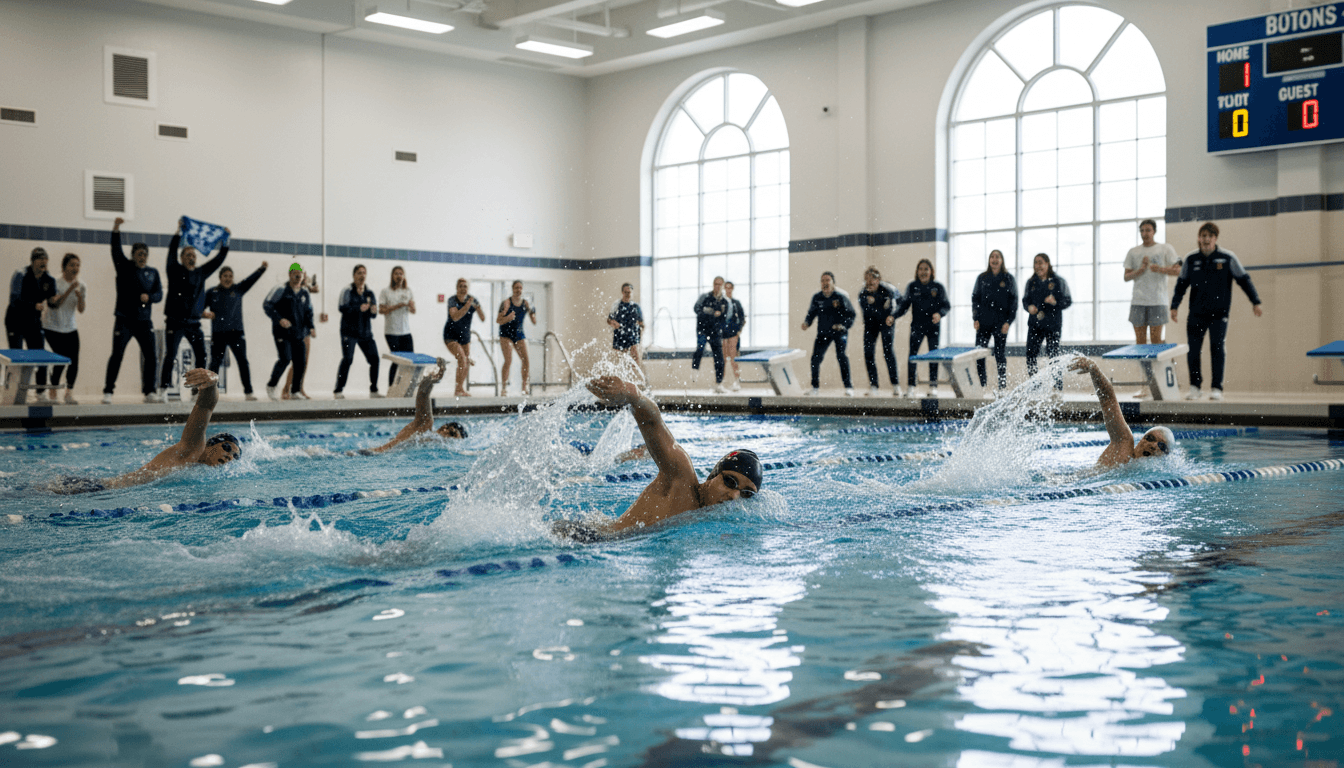
School Swimming and Aquatics Newsletter: Communicating With Swim Team Families
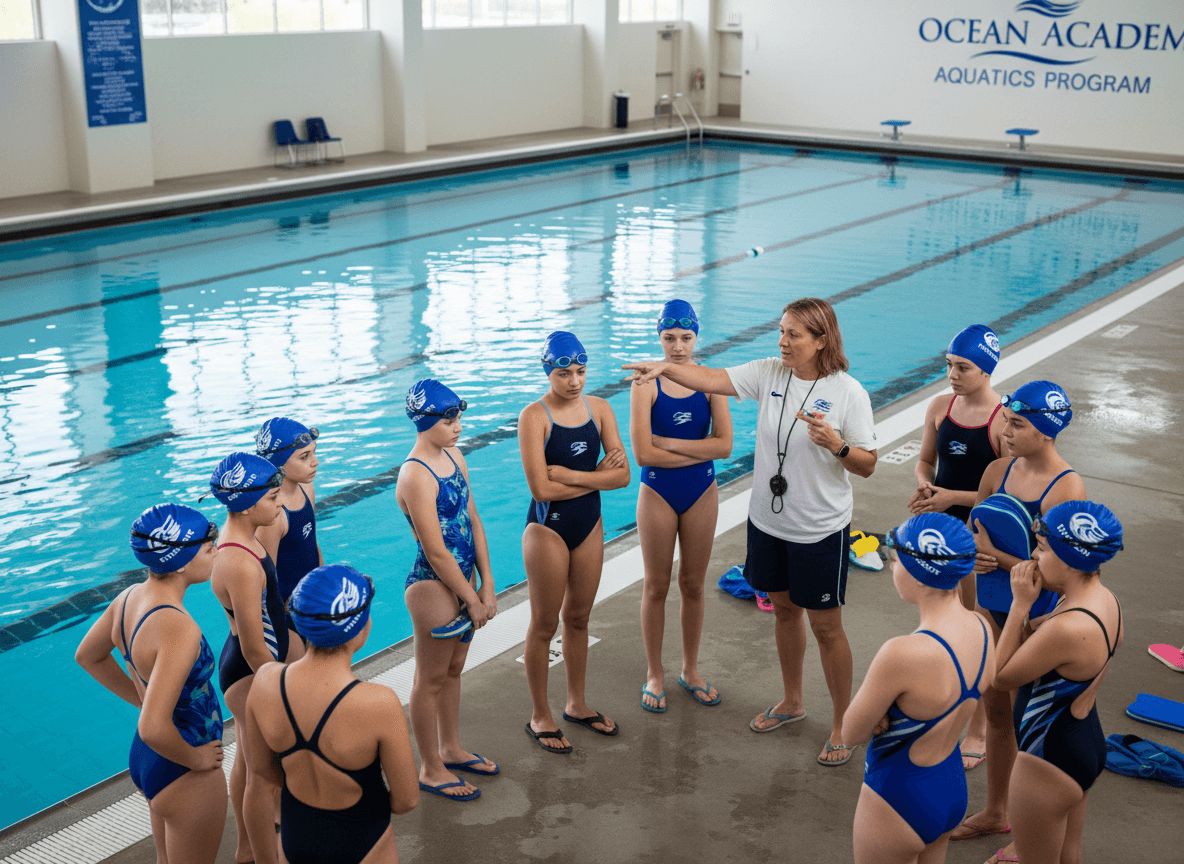
Swim team newsletters have a specific communication challenge that most other sports do not face. The sport is harder to watch than field or court sports, the results format is less intuitive for new families, and the equipment list and pool policies are more complex than most athletic programs. Families who are new to competitive swimming need genuinely more context than experienced swim families.
A well-built aquatics newsletter addresses this gap directly and turns confused spectators into engaged swim community members.
The pre-season swim newsletter
The pre-season newsletter for swimming covers the same categories as any athletic pre-season packet, plus several swim-specific elements that do not appear in other sports communications.
Equipment is more complex in swimming than in most sports. The newsletter should specify exactly what athletes need: practice suit vs. competition suit, what cap colors or styles are required for practice vs. meets, goggles (including whether the team recommends particular types), fins, pull buoys, and kickboards if personal equipment is required. If the school provides any of this equipment, specify exactly what and how it is accessed. Many families spend money on equipment the school provides because the newsletter did not tell them.
Cover the practice schedule and pool access policies. Who has access to the pool outside of scheduled practice times? Are open swim sessions available? What is the policy for students who arrive late or need to leave early due to school commitments?
How to read a heat sheet
Heat sheets are the meet program in competitive swimming. They list every event, every heat within each event, every lane assignment, and every swimmer's seed time. For families new to swim, heat sheets are incomprehensible documents. For experienced swim families, they are the tool they use to track their swimmer's position going into the meet.
Include a "how to read a heat sheet" section in the first meet newsletter of the season. Explain what a seed time is (the swimmer's best time from previous meets that determines heat placement), how heats are ordered (slowest to fastest in most formats), and how to find their swimmer by name, event, and heat number.
Explain the difference between prelims and finals at championship meets. Many families do not understand that their swimmer may swim the same event twice in a championship meet format, and they arrive not knowing whether they are watching a qualifying heat or the final event.
Meet schedule and spectator logistics
Swim meets are long events. A dual meet might last three hours. A championship invitational can run all day. The meet schedule newsletter should give families realistic time expectations so they can plan appropriately.
Specify when the team warms up vs. when competition begins. Many families arrive at the listed competition start time and miss warm-up, which matters for swimmers who want family support during that period. Include the approximate order of events so families who can only attend part of a meet know when their swimmer's events are likely to occur.
Pool policies vary significantly between facilities. Where can spectators sit? Are parents allowed on the pool deck? Are there designated parent sections? Can families cheer from the bleachers during races? What are the rules about photography? Include these details for every venue, home and away.
Understanding swim times and improvement
In most team sports, wins and losses are the primary metric families follow. In swimming, personal improvement is often the most meaningful measure of success, especially for developing swimmers. The newsletter should help families understand how to track their swimmer's progress in terms of times rather than only wins.
Explain what a personal best (PB) or personal record (PR) means in the context of swim competition. A swimmer who drops three seconds in their 200 freestyle has had a successful meet even if they finished in the middle of their heat. Families who understand this framing are better equipped to celebrate effort and improvement alongside competitive results.
Many programs post meet results through online platforms like Athletic.net or SwimCloud. The newsletter should tell families where to find official results after each meet and explain how to read them.
Dual meet vs. championship format
Dual meets and championship meets are structurally different, and families who attend both without understanding the difference can be confused or disappointed. The newsletter should explain the difference clearly.
A dual meet is a head-to-head competition between two schools where team points are accumulated event by event. A championship invitational brings many teams together and determines individual and team rankings across a large field. State or regional championship meets typically use a prelims-and-finals format that spans multiple days.
Championship meet communication deserves its own dedicated newsletter. Include cut times required to qualify, which of your athletes have qualified and in which events, the full meet schedule including warm-up and competition start times, and any special logistics like hotel accommodations for overnight meets.
Pool policies and parent seating
Home pool policies often conflict with what families expect from outdoor or field sports. Many natatoriums limit parent access to bleachers and prohibit pool deck access during competition. Families who walk onto the pool deck expecting the same access they have at a soccer field create problems for the timing table, the officials, and the athletes.
Communicate pool policies in every meet newsletter, not just the first one. Rotate families attending home meets may have different family members each time. A new spectator who did not receive the pre-season newsletter benefits from a brief policy reminder in the event-specific communication.
Building swim newsletters that grow with the season
Aquatics newsletters benefit from a consistent structure that becomes familiar to families across the season. Programs using Daystage can build a swim newsletter template with a results section (recent meet times and personal bests), an upcoming meet section (heat sheet availability, venue logistics, parking), and a team news section (recognition, milestone achievements, program updates). The template handles the format. The coach or team parent updates the content for each issue.
Swim families are typically highly invested in their student's sport. They spend early morning hours at practice and full weekends at meets. A newsletter that respects that investment with clear, specific, useful information is one they will read every time it arrives.
Get one newsletter idea every week.
Free. For teachers. No spam.
Frequently asked questions
When should swim coaches send newsletters to school swim team families?
Send the pre-season newsletter before the first practice and include a meet-specific newsletter for each competition with heat sheet availability, event order, and pool policy reminders. Championship meets deserve their own dedicated communication as soon as qualifying cut times and heat assignments are confirmed.
What should a school swim team newsletter include?
Cover exact equipment requirements including practice suit versus competition suit, cap and goggle specifications, and what the school provides versus what families purchase. Include pool policies for home and away venues, how to read a heat sheet, the difference between dual meets and championship format, and where to find official results after each meet.
How should swim coaches communicate meet logistics to families new to competitive swimming?
Include a spectator guide in the first meet newsletter of the season. Explain heat order, where parents may sit, pool deck access policies, and how to find their swimmer's event in the program. Families who feel confident as spectators attend more consistently and engage more positively with the program.
What are common mistakes in swim team communication?
Not explaining how to read a heat sheet leaves new families confused and disengaged at meets. A close second is skipping the equipment section or being vague about what the school provides, which causes families to spend money on equipment they did not need to buy.
How does Daystage help aquatics programs build consistent swim newsletters?
Swim programs using Daystage can build a newsletter template with a results section for recent times and personal bests, an upcoming meet section for heat sheets and venue logistics, and a team news section, then update the content for each issue without redesigning the layout.

Adi Ackerman
Author
Adi Ackerman is a former classroom teacher and curriculum writer with 8 years in K-8 schools. She writes about school communication, parent engagement, and what actually works in real classrooms.
More for Athletics
School Athlete of the Month Newsletter: How Recognition Programs Build Athletic Community
Athletics · 5 min read
School Dance Team Newsletter: Communication Strategies for Coaches and Directors
Athletics · 5 min read
School Sports Awards Banquet Newsletter: Celebrating Athletes and the Year in Review
Athletics · 5 min read
Ready to send your first newsletter?
3 newsletters free. No credit card. First one ready in under 5 minutes.
Get started free