
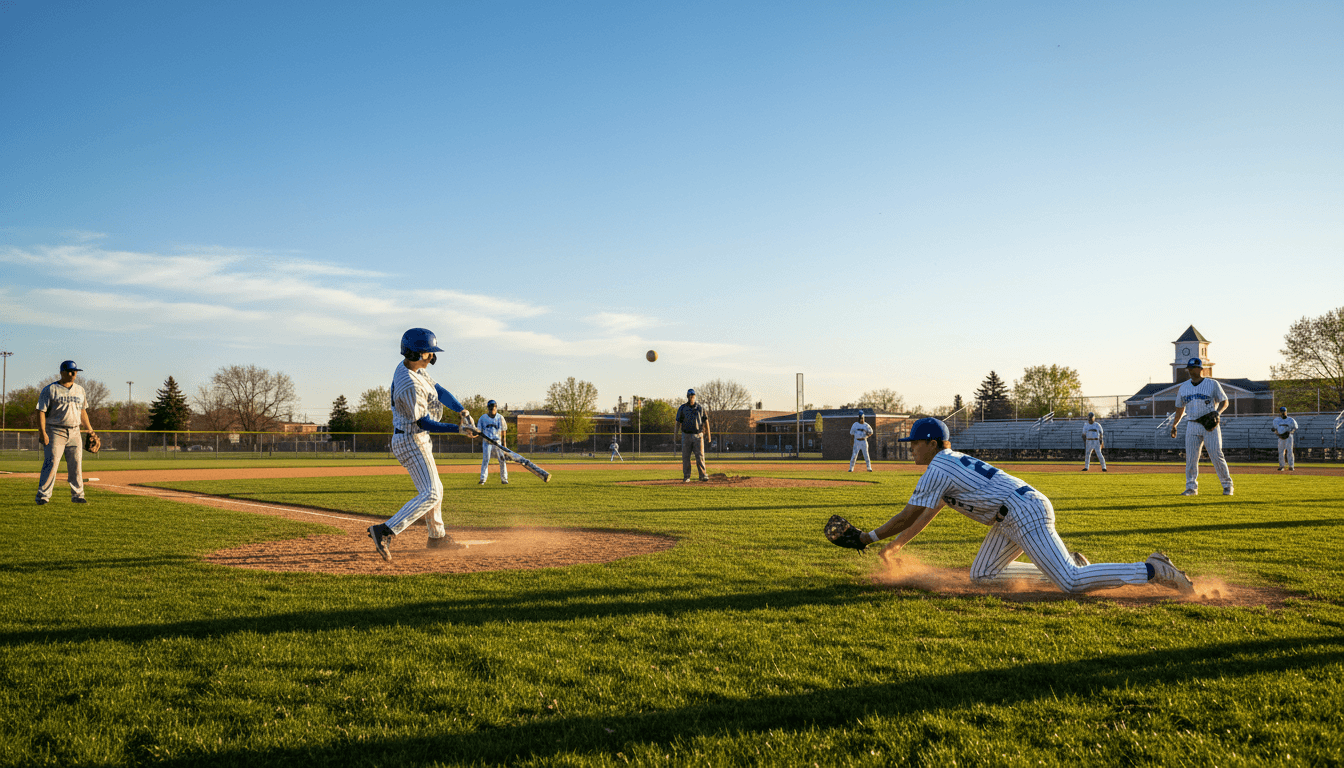
School Spring Sports Newsletter: Baseball, Softball, Soccer, and Outdoor Season Communication
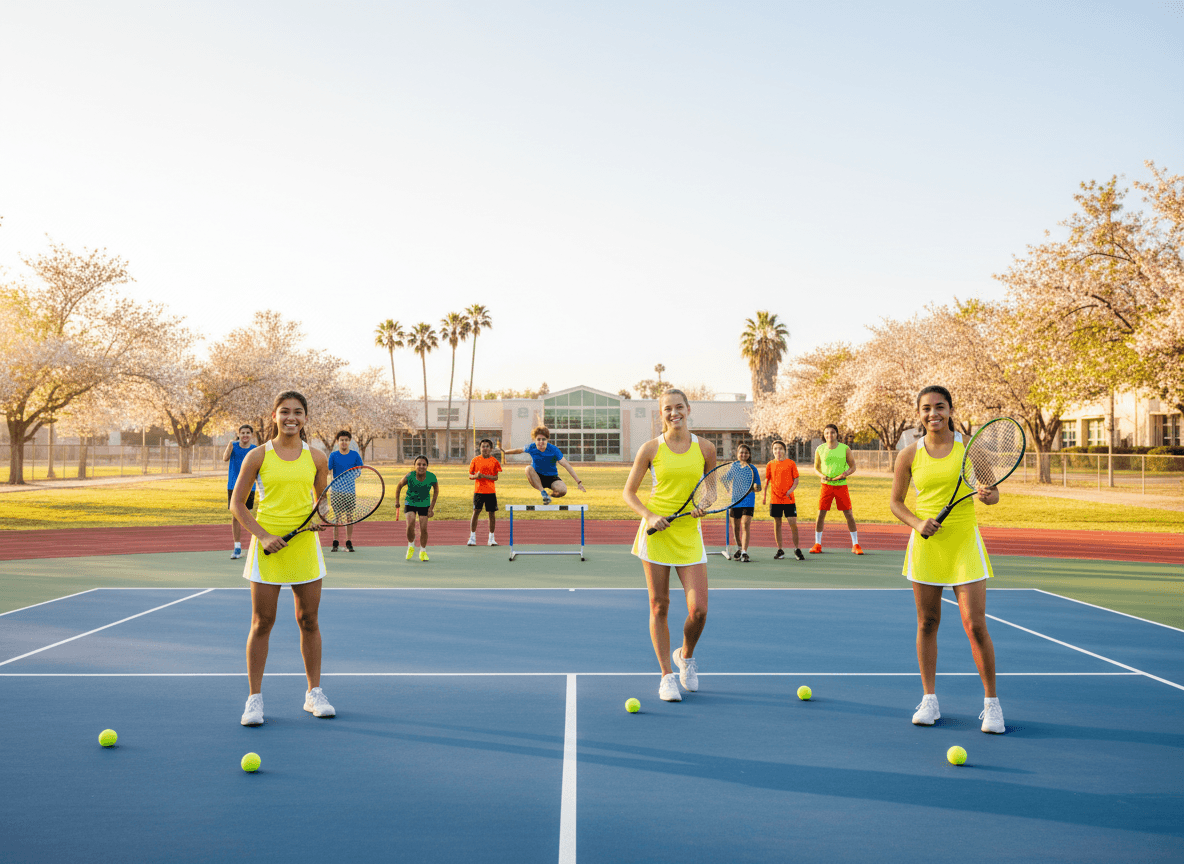
Spring sports are the most weather-dependent part of the school athletic calendar and often the most logistically complex. Baseball, softball, soccer, lacrosse, golf, tennis, and outdoor track all operate on natural surfaces that are subject to rain delays, field closures, and schedule rearrangements throughout the season. The spring sports newsletter has to be more nimble than fall or winter communications, with a stronger emphasis on real-time update protocols.
At the same time, spring is the season that ends the year. Senior recognition, end-of-year banquets, and equipment return all happen in spring. The closing communications deserve as much care as the opening ones.
The spring season launch newsletter
Spring sports typically begin in late February or March, immediately following winter sports. Many athletes are transitioning directly from winter to spring seasons, and some are beginning their first season of the school year. The launch newsletter needs to serve both audiences.
For students transitioning from winter sports, the relevant question is whether their current physical examination is still valid. Many states allow a physical taken before the school year to cover all sports throughout the year. Others require a new physical for each sports season. Clarify this in the launch newsletter rather than assuming returning athletes already know.
Cover uniform collection in the launch newsletter. Spring sports uniforms are often checked out from school inventory rather than purchased. Include where to collect uniforms, what identification is needed, and the deadline by which all athletes must have their uniform before the first game.
Field access and surface conditions
Spring field conditions are the primary logistical challenge of the season. Wet fields, frost, and early-season maintenance can restrict access to natural grass surfaces for weeks. The newsletter should explain your program's field access protocols so families understand why practices may move to alternate locations or why early-season games are sometimes played on compromised surfaces.
If your program uses a combination of natural and artificial turf fields, explain the priority system for field allocation when the natural field is unavailable. Families who understand why their student's practice moved to the parking lot or the gymnasium are far more understanding than families who receive no explanation.
Rain delay and postponement communication
Rain delays are to spring sports what winter weather is to winter sports. The pre-season newsletter should establish the protocol families use to check game status on days with uncertain weather.
Include the decision timeline: by what time on game day will status be confirmed? Who makes the call for home games vs. away games? What is the process for mid-game postponements where teams have already arrived at the venue? These scenarios happen regularly in spring sports, and families who know the protocol in advance are significantly less frustrated when they need to apply it.
Make-up game scheduling is another regular communication topic in spring. The newsletter should explain how make-up games are scheduled, whether they are mandatory for all athletes, and how quickly families will receive notice when a make-up date is set.
State championship and playoff communication
Spring sports playoff communication is among the most high-stakes communication an athletic department produces all year. Families who want to attend state championship games need ticket information, venue details, and schedule information as soon as it is available.
As soon as playoff brackets are released, send a dedicated newsletter covering the bracket, the schedule, and the logistics for each round. Include ticket purchasing information, whether advance purchase is required or available, and any restrictions on attendance or support items at championship venues.
For deep playoff runs, a brief newsletter after each win keeps the community connected to the team's progress. These do not need to be long. A short recap of the win, the next opponent, the game time and location, and a brief acknowledgment of the players who made the difference is enough. Families who receive this feel connected to the experience even if they cannot attend every game.
Senior recognition
Spring sports end the athletic career for senior athletes. Senior night or senior day is typically held during the regular season. The newsletter covering senior recognition should be sent far enough in advance that families can plan attendance and that seniors can feel the weight of the moment being prepared for.
Include the format of the recognition: will seniors be introduced before the game, will there be a ceremony on the field or court, are families invited to escort their student, and are there any special traditions specific to your program. Families who have not experienced senior night before do not know what to expect. Tell them.
For seniors who have been part of the program for multiple years, a brief individual acknowledgment in the newsletter is appropriate. A sentence or two about what each senior has contributed to the program, written by the coach, is one of the most meaningful things an athletic newsletter can include.
End-of-year banquet and equipment return
The final spring sports newsletter of the year needs to cover two practical items that generate significant follow-up communication if not addressed clearly: the end-of-year banquet and equipment return.
Banquet logistics should be specific: date, time, location, whether it is a school event or requires a venue reservation, cost per family if applicable, and how athletes are recognized. If families are expected to contribute food or coordinate aspects of the event, the communication should be clear about what is needed and how to sign up.
Equipment return is almost universally handled poorly. Athletes who do not return uniforms and equipment generate administrative work throughout the summer. The newsletter should include the return deadline, where to return items, what happens if equipment is damaged or lost, and whether fees apply. Programs using Daystage can send a reminder newsletter in the week before the equipment return deadline to catch families who missed the first communication.
Closing the season with the same care that opened it
Spring sports end the athletic year. The final newsletter is the last impression the program leaves with families until fall tryouts begin. Acknowledge the season, recognize the effort, celebrate the results, and point toward next year. Families who feel well-served by athletic communication all year return for the next year with more trust and more engagement.
Get one newsletter idea every week.
Free. For teachers. No spam.
Frequently asked questions
When should coaches send the spring sports season launch newsletter?
Send the launch newsletter before winter sports end, ideally in late February, so families who are transitioning directly from winter sports have time to verify physical validity and collect uniforms before the first game. Athletes new to spring sports need the same lead time to complete clearance requirements.
What should a school spring sports newsletter include?
Cover physical validity for students coming from winter sports and for first-season athletes, uniform collection logistics with deadlines, field access and surface condition protocols, the rain delay decision timeline with a specific cut-off time, makeup game scheduling procedures, and playoff bracket and ticket information as soon as it is available.
How should spring sports coaches communicate rain delays and postponements to parents?
Establish a specific status confirmation time in the pre-season newsletter, such as by noon for afternoon games and by 6 AM for morning games. Name who makes the call for home games versus away games and what the process is for mid-game postponements. Families making driving and childcare decisions need a hard deadline, not a vague promise.
What are common mistakes in spring sports communication?
Assuming athletes transitioning from winter sports have valid physicals without verifying this in the launch newsletter is a consistent problem. Equipment return is almost universally communicated too late, generating administrative work throughout the summer when athletes do not return uniforms by the deadline.
How does Daystage help with spring sports season-end communication?
Programs using Daystage can send a reminder newsletter in the week before the equipment return deadline to reach families who missed the first notice, and build senior recognition content into a reusable banquet template that the coach updates with individual acknowledgments each year.

Adi Ackerman
Author
Adi Ackerman is a former classroom teacher and curriculum writer with 8 years in K-8 schools. She writes about school communication, parent engagement, and what actually works in real classrooms.
More for Athletics
School Soccer Newsletter: A Coach's Guide to Clear, Consistent Parent Communication
Athletics · 5 min read
School Swimming Team Newsletter: Communication Strategies for Aquatics Programs
Athletics · 5 min read
Middle School Intramurals Newsletter: How Programs Communicate Inclusive Athletics to Families
Athletics · 5 min read
Ready to send your first newsletter?
3 newsletters free. No credit card. First one ready in under 5 minutes.
Get started free