
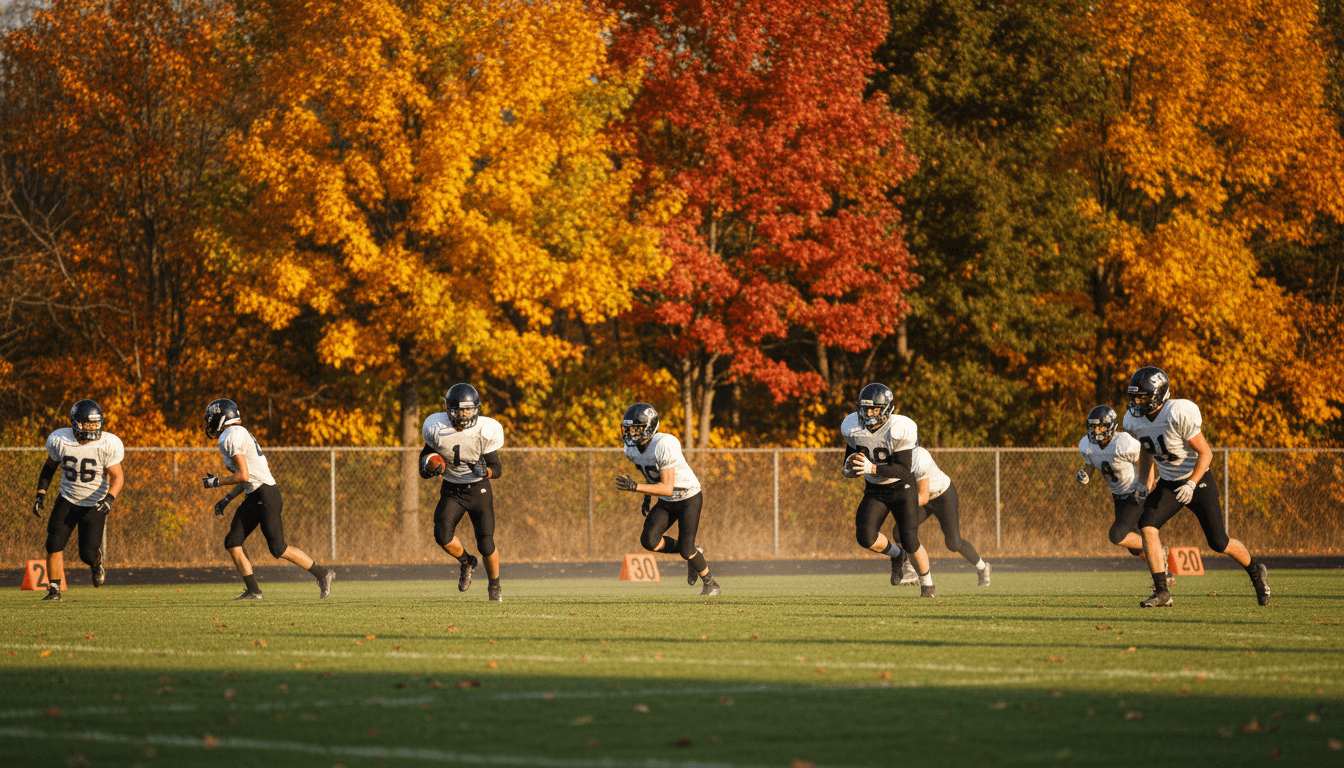
School Fall Sports Newsletter: Football, Volleyball, and Cross Country Season Communication
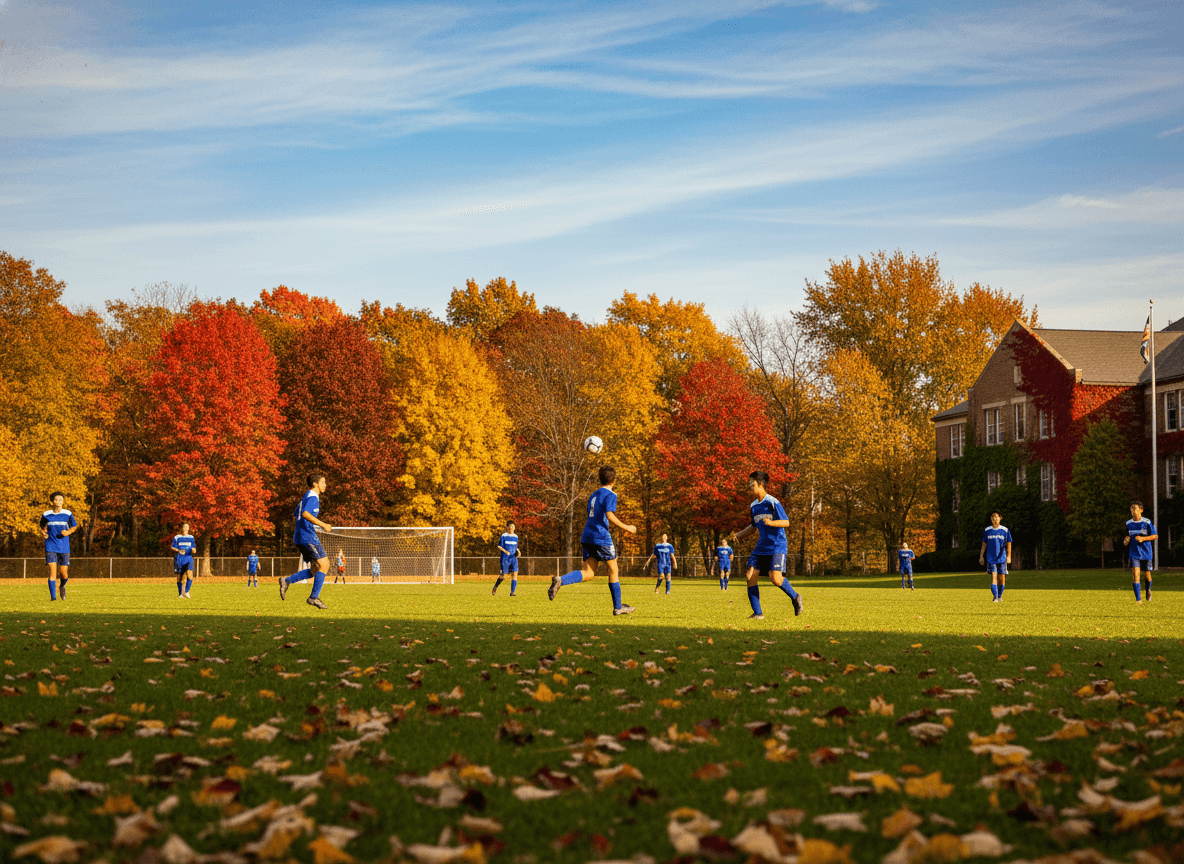
Fall sports set the tone for the entire school athletic year. Football, volleyball, cross country, soccer, field hockey, swimming, and golf all launch within weeks of the school year beginning, before most families have fully re-engaged with school routines. The fall sports newsletter has to do significant orientation work because it is the first athletic communication many families receive after a summer with no contact from the program.
Getting the fall sports launch right creates a foundation that carries through the rest of the athletic year.
The fall sports kickoff packet
The fall sports kickoff newsletter is the most comprehensive athletic communication of the year. It covers everything families need to know before the first practice and the first game. Treating it as a packet rather than a brief newsletter is the right approach.
The kickoff packet for each fall sport should include: physical examination and medical clearance requirements with specific deadlines; emergency contact collection and how to update it from last year; code of conduct agreement (often sent separately as a signed document, but summarized in the newsletter); payment information for fees, uniforms, or equipment; the full season schedule with home and away designations, times, and locations; and an overview of the coach's philosophy for the season.
Physicals are the most time-sensitive item in the fall kickoff. Many states require a sports physical completed within the previous 12 months. If families do not schedule physicals in August, they are scheduling them in September, which means their student may miss the first two weeks of the season. The newsletter should include the physical deadline in bold and explain exactly what documentation is required.
Summer conditioning and pre-season communication
Most fall sports programs have summer conditioning sessions or pre-season practice periods that begin weeks before the first day of school. The newsletter covering summer conditioning should reach families in June or early July, not the week before conditioning starts.
Include heat safety protocols for summer conditioning prominently. Early- August practice in most of the US involves significant heat and humidity. Families who understand the program's heat management approach, including acclimatization protocols, hydration requirements, and practice modification thresholds, are less worried and more prepared to support their student's safe participation.
Football-specific communication
Football has more communication complexity than most fall sports due to the contact nature of the sport, the equipment requirements, and the heightened concern around concussions and injury.
The football pre-season newsletter should include a detailed equipment inventory, what the school provides vs. what families purchase, and how equipment fitting works. Helmet fitting and maintenance deserve their own mention. Improperly fitting helmets are a safety issue. Families need to know that equipment fitting is taken seriously by the program.
Address concussion protocol specifically in the football newsletter. Given the elevated injury profile of football, families need more detail than a generic injury protocol provides. Refer them to state law, the program's specific baseline testing approach, and the return-to-play timeline for contact sports.
Homecoming week communication
Homecoming week is one of the most logistically complex weeks of the fall sports calendar. Multiple events, pep rallies, the homecoming game, and related activities all need to be communicated to athletic families who want to attend and celebrate. The homecoming newsletter should be specific and comprehensive.
Include the full homecoming week schedule: spirit week themes by day, pep rally time and location, homecoming game start time and any special pre-game activities, halftime ceremony schedule, and post-game information if relevant. Ticket pricing, where to purchase tickets, and whether pre-sale is required or recommended are all details that generate follow-up questions if omitted.
For volleyball programs that play during homecoming week, coordinate with the school calendar to ensure the volleyball schedule is clearly communicated alongside football events. Both programs deserve visibility in the homecoming communication.
Volleyball season communication specifics
Volleyball has its own communication priorities that differ from football and cross country. The newsletter should cover the tournament and playoff format specific to your state: pool play, bracket tournaments, and region seeding are all structured differently depending on the state association's rules.
Volleyball families often want to understand serve rotation, scoring, and set-based formats if they are new to the sport. A brief "how to watch volleyball" section in the first match newsletter of the season is a small investment that generates significant goodwill from families who would otherwise feel lost at matches.
Playoff push communication
As fall sports programs enter the playoff season, the communication needs to shift. The stakes are higher. The schedule is less certain. The families who have been casually following the season become much more engaged.
Send a dedicated newsletter as soon as playoff seedings or qualifications are confirmed. Cover the playoff format, what your program needs to advance to the next round, ticket information for playoff games, and any special transportation or logistics that differ from regular-season games.
For football programs in particular, playoff game logistics often involve neutral site games, ticket distribution through state associations, and attendance caps that may require families to prioritize. All of this belongs in the playoff communication, not in a general season update.
Fall sports banquet and season close
The fall sports banquet marks the end of the athletic fall. The banquet newsletter should cover logistics, recognition plans, and any special acknowledgments for senior athletes who are completing their high school careers in the fall.
Programs using Daystage for fall season communication can build a year-end banquet template that the athletic director or coach updates with award categories and athlete names each season. The recognition section is the highest-value part of the banquet newsletter. Families who see their student's name acknowledged in the newsletter often hold onto that communication long after the season is over.
Close the fall sports newsletter season the same way you opened it: with clear information, consistent format, and the understanding that the families who received every issue all season are the ones who show up the following year ready to support the program again.
Get one newsletter idea every week.
Free. For teachers. No spam.
Frequently asked questions
When should coaches send the fall sports kickoff newsletter?
Send the kickoff packet in late July, before summer conditioning begins. Physical examination deadlines are the most time-sensitive item. Families who receive notice in July can schedule appointments before September. Families who receive it the week before tryouts cannot.
What should a school fall sports newsletter include?
The kickoff packet should cover physical and medical clearance requirements with deadlines, emergency contact collection, code of conduct summary, fees and uniform information, the full season schedule with home and away designations, heat safety protocols for August conditioning, and coach philosophy for the season. Football newsletters need additional detail on helmet fitting and concussion protocol.
How should coaches communicate homecoming week athletics to parents?
Send a dedicated homecoming newsletter with the full week schedule including spirit themes by day, pep rally time and location, game start time, halftime ceremony details, ticket pricing, and where to purchase. Both football and volleyball schedules deserve visibility in the same communication rather than competing for separate inbox space.
What are common mistakes in fall sports communication?
Sending the kickoff newsletter too late for families to complete physicals before the first practice is the most costly mistake. A second common problem is treating the playoff push as a logistics update rather than a dedicated send, which leaves families without clear ticket and travel information at the moment they most want it.
How does Daystage help with fall sports banquet and season close communication?
Coaches and athletic directors using Daystage can build a year-end banquet template with award categories and athlete recognition sections that update each season, giving families a polished close to the year without rebuilding the format from scratch.

Adi Ackerman
Author
Adi Ackerman is a former classroom teacher and curriculum writer with 8 years in K-8 schools. She writes about school communication, parent engagement, and what actually works in real classrooms.
More for Athletics
School Rowing and Crew Newsletter: Communication Strategies for Water-Based Athletic Programs
Athletics · 5 min read
School Spring Sports Newsletter: Baseball, Softball, Soccer, and Outdoor Season Communication
Athletics · 7 min read
High School Sports Recruitment Newsletter: Helping Families Navigate the College Athletic Process
Athletics · 6 min read
Ready to send your first newsletter?
3 newsletters free. No credit card. First one ready in under 5 minutes.
Get started free