
Cross Country and Track Newsletter: Communicating With Distance Running Families

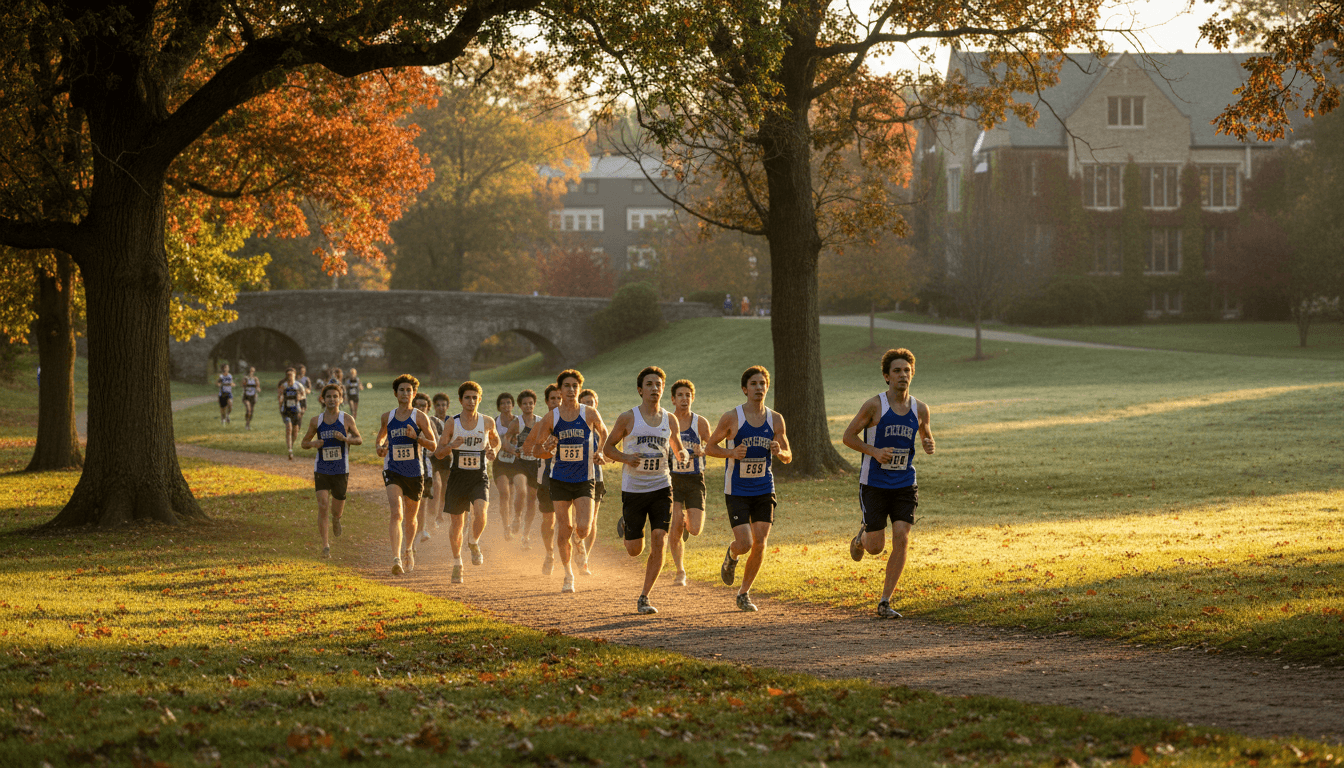
Cross country and track communicate differently than team sports. Parents watching their child run do not follow a ball or a puck. They follow a specific number on a jersey through a crowd of competitors. The meet experience is often confusing for families new to the sport, and the training demands are significant enough that parents need context to understand what their student is doing and why.
A well-structured newsletter for cross country and track gives families the vocabulary, the logistical details, and the context they need to genuinely support their runner.
What the pre-season newsletter must cover
Cross country and track families need more sport-specific orientation than families in most other sports. The meet format, scoring system, and individual vs. team performance structure are genuinely unfamiliar to many new families. The pre-season newsletter should orient families who are new to the sport before the first meet.
Explain how meets are scored (low score wins in cross country, individual times contribute to team totals, the top five finishers per team are typically scored). Explain the difference between a home meet, an away meet, and an invitational. Describe what families can expect at a typical cross country or track meet in terms of duration, spectator access, and where to find their runner's times after the race.
Cover equipment needs specifically. Cross country spikes vs. road shoes, track spikes appropriate for the events their student runs, appropriate cold or hot weather gear for training and competition, and any nutrition or hydration policies the program recommends.
Meet schedule with travel time and logistics
Cross country and track meets often involve more travel than home sports. Invitationals pull teams from across a region. Championship meets may require several hours of travel. The meet schedule newsletter should include not just the location of each meet but the expected departure time from school and the expected return time.
For large invitationals where teams compete across different events at different times during the same meet, include the approximate event schedule so families can plan when to arrive. A parent who drives an hour to watch their daughter run the 5K only to miss it because they did not know the race order is unlikely to repeat that effort.
If the school provides transportation to all meets, state that clearly. If transportation is provided to some meets but not others, specify which. If families may drive separately and meet the team at the venue, include the parking situation. Large invitationals at park or golf course venues often have parking challenges that first-time cross country families do not anticipate.
Training volume expectations
Distance running programs ask more of athletes than most parents realize. Cross country training volumes of 30 to 50 miles per week for competitive high school programs are common. Track training combines high-volume work with interval training that increases injury risk for undertrained athletes.
The pre-season newsletter should give families a realistic picture of the training commitment. How many days per week does the team practice? How long are practices? Are there expected summer training runs before the official season begins? What is the program's approach to rest and recovery?
Families who understand the training load are better positioned to help their student manage sleep, nutrition, and their academic schedule. They are also less likely to be alarmed when their student comes home exhausted during peak training weeks.
Heat protocol communication
Cross country season runs in the hottest weeks of the school year in most of the US. Heat-related illness is a real risk, and families deserve to know how the program manages that risk. The newsletter should explain the heat protocol: at what temperature or heat index level practices are modified, what modifications look like, and what the signs of heat illness are that athletes and families should watch for.
Hydration requirements deserve their own mention. Most cross country programs have specific pre-practice hydration guidelines. Families who know that their student is expected to arrive at practice already hydrated, with a water bottle of a specific minimum size, can prepare accordingly. This detail seems minor until it is not.
Qualifying standards communication
In track and field, qualifying standards for championship competitions are a significant part of the mid-season communication. Families with students who are close to qualifying standards deserve to know what those standards are and how performance is tracked against them.
Explain the qualifying process in the newsletter before championship season. In many states, athletes qualify for regional or state championships by running, throwing, or jumping to a pre-set standard during the season. The timeline for submission of qualifying marks and how coaches manage entries should be clear before families start asking whether their student has qualified.
For cross country, team qualifying for regional and state championship meets depends on team placement at qualifying meets. Explain how this works and when the qualifying meets are on the schedule.
Boosting family attendance at meets
Cross country and track suffer from lower family attendance than team sports in many schools. Part of this is the format. Part of it is that families simply do not know how to watch the sport. The newsletter is the right place to change this.
Include a "spectator guide" section in the first meet newsletter of the season. Where to stand for the best view in cross country. Which events happen when in a track meet. How to find your athlete's results after the race using live results websites or apps like MileSplit or AthleticNet. Families who feel confident as spectators attend more consistently.
End-of-season banquet communication
The cross country and track banquet is often the most meaningful event of the athletic year for distance runners. The newsletter covering the banquet should include all logistics, but more importantly, it should set the tone. This is the event where the program celebrates effort, improvement, and commitment alongside performance.
Programs using Daystage can build the banquet communication as a standalone newsletter that focuses entirely on celebration. Athlete recognition, individual season bests, team accomplishments, and senior acknowledgments all belong here. Close the season with the same care that opened it.
Get one newsletter idea every week.
Free. For teachers. No spam.
Frequently asked questions
When should cross country and track coaches send newsletters to families?
Send the pre-season newsletter two weeks before summer conditioning begins, not the week before the first official practice. Families who understand the training volume, heat protocol, and equipment needs before conditioning starts are significantly better prepared than those who receive that information after the first week.
What should a school cross country newsletter include?
Cover meet scoring format so new families can follow along, training volume expectations with specific weekly mileage ranges, heat protocol and hydration requirements for early-season practice, equipment needs including spike type by event, and meet logistics with departure times and estimated return times for each event.
How should distance running coaches communicate meet logistics to parents?
For each meet, include the venue address, expected departure time from school, and estimated return time. For large invitationals, add the approximate event order so families who can attend for only part of the day know when their runner competes. Families who drive an hour and miss their student's event are not likely to make that effort again.
What are common mistakes in cross country and track communication?
Failing to orient new families to meet format and scoring is the most common issue. Distance running has a steeper learning curve for first-time families than team sports. Skipping the spectator guide section and omitting qualifying standards information in championship season are two others that generate significant follow-up questions.
How does Daystage help cross country coaches build season newsletters?
Coaches using Daystage can build the end-of-season banquet communication as a dedicated newsletter focused entirely on celebration, with athlete recognition, individual season bests, and team accomplishments updated each year from a consistent template.

Adi Ackerman
Author
Adi Ackerman is a former classroom teacher and curriculum writer with 8 years in K-8 schools. She writes about school communication, parent engagement, and what actually works in real classrooms.
More for Athletics
School Football Parent Communication: What Every Football Program Needs to Send Families
Athletics · 6 min read
School Sports Hall of Fame Newsletter: Recognizing Athletic Legacy and Building Program Pride
Athletics · 5 min read
School Track and Field Newsletter: Communicating Events, Meets, and Individual Progress to Families
Athletics · 5 min read
Ready to send your first newsletter?
3 newsletters free. No credit card. First one ready in under 5 minutes.
Get started free